Pogonichthys macrolepidotus
Sacramento splittail
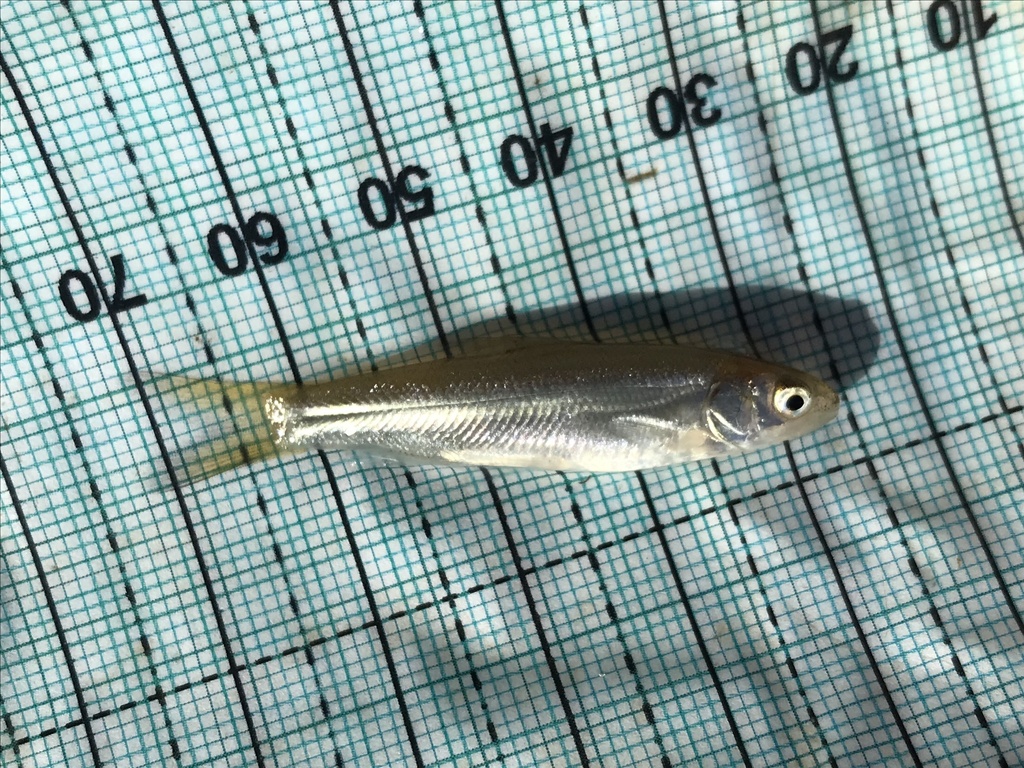
(c) Ryan Donnelly, some rights reserved (CC BY) · licence
Family: Leuciscidae · Class: Actinopterygii · Order: Cypriniformes
Conservation status: GNR S3
Pogonichthys macrolepidotus (Sacramento splittail) is a California animal in the Leuciscidae family.
The Sacramento splittail is a large, deep-bodied cyprinid fish endemic to California's Central Valley. Adults typically measure 150 to 250 mm (6 to 10 inches) in total length, with maximum recorded lengths reaching 430 mm (17 inches). The species exhibits sexual dimorphism, with breeding males developing pronounced tubercles on the head and fins. The body is laterally compressed with a relatively small, subterminal mouth and barbels absent. Coloration ranges from olive-brown to golden-yellow dorsally, fading to silvery-white ventrally. The caudal fin is distinctly forked, and scales are large and easily detached. Historically, Sacramento splittail inhabited the entire Sacramento-San Joaquin river system, including the Delta, San Francisco Bay estuary, and tributary rivers throughout the Central Valley. The species' range extended from Redding in the Sacramento River system to the San Joaquin River near Fresno. Currently, the population is largely restricted to the Sacramento-San Joaquin Delta, Suisun Bay, and Suisun Marsh, with occasional occurrences in tributary rivers during high-flow years. Small populations persist in the Napa River and Petaluma River systems in the North Bay. Sacramento splittail occupy shallow, low-velocity habitats including floodplains, sloughs, and vegetated channel margins. Adults prefer areas with emergent and submerged vegetation, particularly tule marshes and riparian forests during flood events. The species demonstrates high adaptability to varying salinity levels, tolerating conditions from freshwater to 18 parts per thousand. Spawning occurs in shallow, vegetated areas of tributary streams and flooded terrestrial vegetation during winter and spring high-flow periods. Reproduction is closely tied to hydrological conditions, with spawning triggered by winter and spring floods that provide access to floodplain habitats. Females deposit adhesive eggs on submerged vegetation, with clutch sizes ranging from 2,000 to 60,000 eggs depending on female size. Juveniles rear in shallow, warm waters of the floodplain before moving to deeper channels as water levels recede. The species exhibits an opportunistic feeding strategy, consuming zooplankton, aquatic insects, algae, and detritus. Adults are capable of extended fasting periods during drought conditions. The Sacramento splittail was federally listed as threatened in 1999 but was delisted in 2003 following legal challenges and population recovery during wet years in the 1990s. The species is currently assigned a Global/State Rank of GNR S3, indicating vulnerability. The IUCN classifies the species as Endangered. Primary threats include habitat loss through levee construction and floodplain development, altered hydrology from dam operations, water diversions, and prolonged drought periods that eliminate spawning habitat. Competition and predation from introduced species, particularly centrarchid fishes, pose additional threats. Climate change is expected to exacerbate existing stressors through increased drought frequency and altered precipitation patterns.
Classification
Class: Actinopterygii · Order: Cypriniformes · Family: Leuciscidae
Conservation status
GNR S3
Frequently asked questions
How is Pogonichthys macrolepidotus classified?
Pogonichthys macrolepidotus belongs to class Actinopterygii, order Cypriniformes, family Leuciscidae.
What family does Pogonichthys macrolepidotus belong to?
Pogonichthys macrolepidotus is in the Leuciscidae family.
Is Pogonichthys macrolepidotus protected or of conservation concern?
Pogonichthys macrolepidotus carries the following status: GNR S3.
What is Pogonichthys macrolepidotus?
The Sacramento splittail is a large, deep-bodied cyprinid fish endemic to California's Central Valley.
Is Pogonichthys macrolepidotus found in California?
Yes. Pogonichthys macrolepidotus is recorded in California in The California Species Project's catalogue.
Related species
Other California species in the same genus, family, or bioregion.
Data from The California Species Project — 14,000+ California species with verified data from CNPS, CDFW, USFWS, and more.