Polioptila californica
California Gnatcatcher
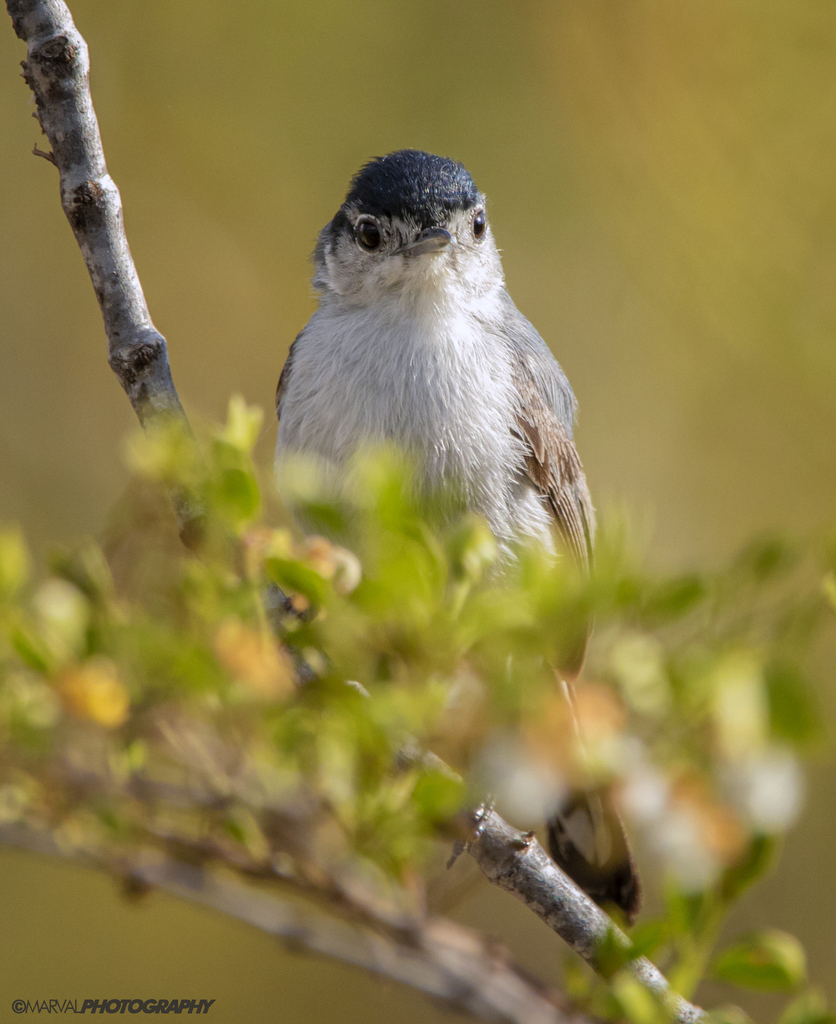
(c) MarvalPhotography19, some rights reserved (CC BY) · licence
Family: Polioptilidae · Class: Aves · Order: Passeriformes
Polioptila californica (California Gnatcatcher) is a California animal in the Polioptilidae family.
The California Gnatcatcher (Polioptila californica) is a small, nonmigratory songbird measuring 4.5 inches (11 cm) in length and weighing 0.2 ounces (6 grams). This blue-gray bird exhibits sexual dimorphism, with males displaying distinctive black caps during the breeding season that are absent in females and juveniles. Both sexes have long, slender tails with white outer tail feathers that are frequently flicked and fanned, creating a characteristic behavior pattern. The species occurs primarily in southern California and throughout most of Baja California, Mexico. In California, the coastal subspecies (P. c. californica) ranges from Ventura County south through San Diego County, while the species extends into central and southern Baja California in a variety of arid scrub habitats. The California Gnatcatcher has a restricted range compared to other gnatcatcher species, making it particularly vulnerable to habitat fragmentation. California Gnatcatchers inhabit coastal sage scrub communities, characterized by drought-tolerant shrubs including California sagebrush (Artemisia californica), brittlebush, and various Salvia species. The species also occurs in chaparral habitat and sparse oak woodlands, typically below 2,500 feet elevation. These birds prefer areas with 30-70% shrub cover, avoiding both very dense vegetation and completely open areas. The coastal sage scrub ecosystem once covered extensive areas of southern California but has been significantly reduced by urban and agricultural development. This species is primarily insectivorous, feeding on small insects and spiders gleaned from foliage and bark surfaces. California Gnatcatchers forage actively through shrubs, often hovering briefly to capture prey from leaf surfaces. They remain in pairs throughout the year and are generally sedentary, rarely moving more than a few hundred meters from established territories. The breeding season extends from late February through July, with peak nesting activity occurring from mid-March through early April (USFWS). Pairs typically produce 2-3 broods per season, constructing small cup-shaped nests in shrub forks 1-8 feet above ground. Clutch size ranges from 3-5 eggs, with an incubation period of approximately 14 days. The coastal subspecies (P. c. californica) was federally listed as threatened in 1993 due to extensive habitat loss and ongoing threats including urban development, fragmentation, and brood parasitism by Brown-headed Cowbirds (USFWS). Coastal sage scrub habitat has been reduced by an estimated 70-90% from historical levels throughout the species' range. Conservation efforts have focused on habitat preservation through multiple Habitat Conservation Plans, resulting in approximately 350,000 acres of coastal sage scrub being conserved in southern California (USFWS). The species faces continued pressure from development, invasive plant species, increased fire frequency, and climate change impacts on its specialized habitat requirements.
Classification
Class: Aves · Order: Passeriformes · Family: Polioptilidae
Frequently asked questions
How is Polioptila californica classified?
Polioptila californica belongs to class Aves, order Passeriformes, family Polioptilidae.
What family does Polioptila californica belong to?
Polioptila californica is in the Polioptilidae family.
What is Polioptila californica?
The California Gnatcatcher (Polioptila californica) is a small, nonmigratory songbird measuring 4.5 inches (11 cm) in length and weighing 0.2 ounces (6 grams).
Is Polioptila californica found in California?
Yes. Polioptila californica is recorded in California in The California Species Project's catalogue.
Related species
Other California species in the same genus, family, or bioregion.
Data from The California Species Project — 14,000+ California species with verified data from CNPS, CDFW, USFWS, and more.