Polystoechotes punctata
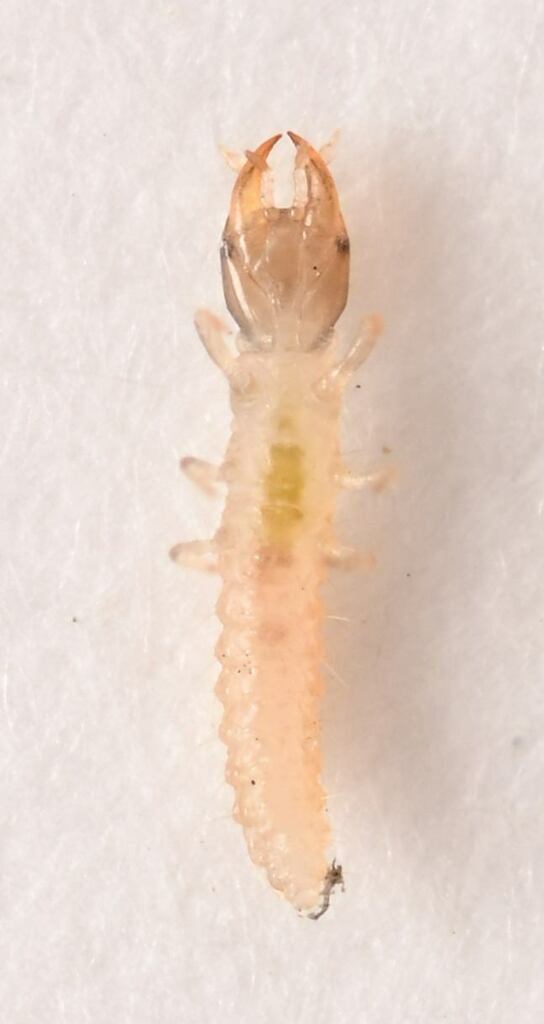
no rights reserved · CC0
Family: Ithonidae · Class: Insecta · Order: Neuroptera
Polystoechotes punctata is a California animal in the Ithonidae family.
Polystoechotes punctata, commonly known as the giant lacewing, is a large neuropteran insect belonging to the family Ithonidae. Adults are among the largest lacewings in North America, with wingspans that can exceed 50 mm (2 inches). The species exhibits distinctive morphological features including broad, membranous wings with intricate venation patterns and elongated antennae. The body is typically brownish or grayish, providing effective camouflage against tree bark and rocky surfaces. Historically, P. punctata occurred across western North America, with confirmed records from California, Oregon, Washington, and British Columbia. Within California, the species has been documented from forested regions of the Sierra Nevada and potentially the Coast Ranges, though specific distributional data remains limited. The Committee on the Status of Endangered Wildlife in Canada (COSEWIC) is currently evaluating the species' status due to apparent population declines and reduced occurrence records (BugGuide 2025). Giant lacewings inhabit old-growth and mature coniferous forests, particularly those dominated by Douglas fir, ponderosa pine, and mixed coniferous species. Adults are typically found in forest canopies and are attracted to lights during their nocturnal activity periods. The species appears to require large, intact forest ecosystems, making it potentially vulnerable to habitat fragmentation and forest management practices. Elevation ranges for California populations have not been precisely documented, though the species generally occurs in montane forest zones. Adult giant lacewings are predatory, feeding on small arthropods captured during flight or gleaned from vegetation surfaces. The species exhibits seasonal activity patterns, with adults typically emerging in late spring and early summer. Mating and oviposition behaviors remain poorly studied, though females likely deposit eggs on vegetation or bark surfaces. Larval ecology is particularly understudied, with limited information available regarding development time, host preferences, or overwintering strategies. The complete life cycle duration is unknown but likely requires multiple years for development in cooler montane environments. Polystoechotes punctata lacks formal conservation status listings in the United States, though it is recognized in USFWS taxonomic databases (TSN: 935767). The species' apparent rarity and association with old-growth forest habitats raise conservation concerns. Habitat loss through logging, fire suppression altering natural forest dynamics, and climate change impacts on montane forests represent potential threats. The paucity of recent records has prompted COSEWIC's status assessment, suggesting possible population declines across the species' range. Research priorities include systematic surveys to determine current distribution, population status, and ecological requirements. Enhanced understanding of the species' life history and habitat needs is essential for developing appropriate conservation strategies. The giant lacewing's status as a potential indicator species for old-growth forest ecosystems underscores the importance of maintaining large, intact forest landscapes in montane regions of western North America.
Classification
Class: Insecta · Order: Neuroptera · Family: Ithonidae
Frequently asked questions
How is Polystoechotes punctata classified?
Polystoechotes punctata belongs to class Insecta, order Neuroptera, family Ithonidae.
What family does Polystoechotes punctata belong to?
Polystoechotes punctata is in the Ithonidae family.
What is Polystoechotes punctata?
Polystoechotes punctata, commonly known as the giant lacewing, is a large neuropteran insect belonging to the family Ithonidae.
Is Polystoechotes punctata found in California?
Yes. Polystoechotes punctata is recorded in California in The California Species Project's catalogue.
Related species
Other California species in the same genus, family, or bioregion.
Data from The California Species Project — 14,000+ California species with verified data from CNPS, CDFW, USFWS, and more.