Pomatiopsis californica
Pacific Walker
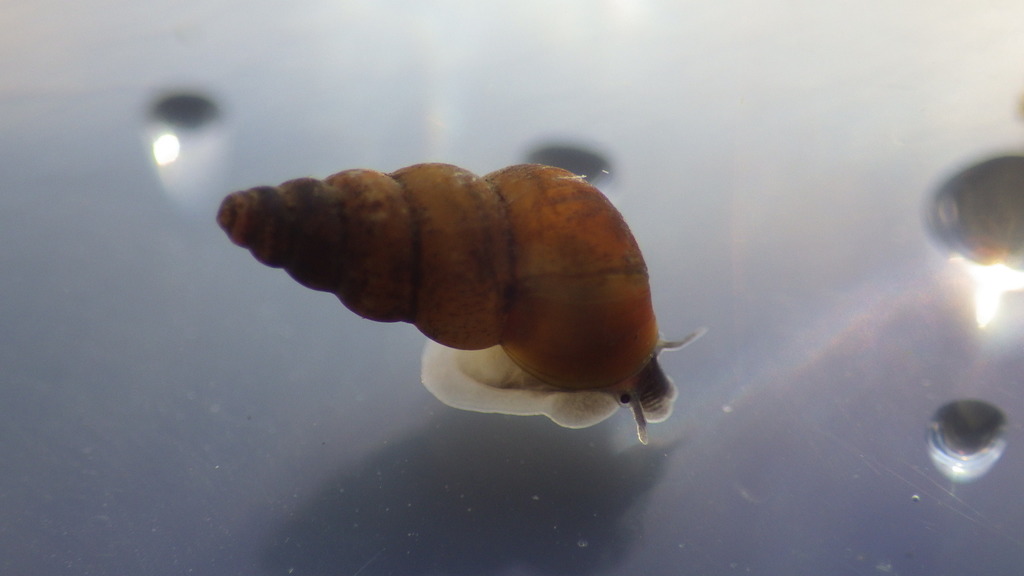
no rights reserved · CC0
Family: Pomatiopsidae · Class: Gastropoda · Order: Littorinimorpha
Conservation status: G1 S1
Pomatiopsis californica (Pacific Walker) is a California animal in the Pomatiopsidae family.
The Pacific Walker (Pomatiopsis californica) is a small freshwater gastropod mollusk endemic to the coastal regions of California and Oregon. This species belongs to the family Pomatiopsidae, a group of small aquatic snails that inhabit freshwater and brackish water environments. The Pacific Walker typically measures 3-5 mm in shell height, with a conical, spiraled shell that is translucent to light brown in coloration. Historically, Pomatiopsis californica occurred throughout coastal regions of California and Oregon, but its current distribution has become severely restricted (NatureServe 2025). The species is now limited to scattered locations along the Pacific Coast, with populations documented in coastal streams, springs, and wetland areas. The exact number and extent of current populations remain poorly documented, contributing to significant uncertainty about the species' current status. The Pacific Walker inhabits freshwater and slightly brackish aquatic environments, including coastal streams, springs, seeps, and associated wetland areas. The species appears to require clean, well-oxygenated water with stable flow regimes and appropriate substrate conditions. These snails are typically found in shallow water areas with aquatic vegetation, where they can find suitable food sources and shelter. The species may be sensitive to water quality changes, pollution, and habitat modification, which are common threats to freshwater mollusks in coastal California. Like other members of the family Pomatiopsidae, the Pacific Walker is likely a grazer, feeding on algae, detritus, and organic matter found on submerged surfaces and sediments. These snails play an important ecological role as primary consumers in aquatic food webs, helping to recycle nutrients and serving as food sources for fish, aquatic insects, amphibians, and birds. Reproductive biology and life history characteristics of this species have not been well documented in the scientific literature, representing a significant knowledge gap for conservation planning. The Pacific Walker carries a Global Heritage Rank of G1, indicating it is critically imperiled with very few populations and individuals remaining. This ranking suggests the species faces a very high risk of extinction. The primary threats to Pomatiopsis californica likely include habitat loss and degradation from urban development, agricultural activities, water diversions, pollution, and climate change impacts on coastal aquatic systems. Water quality degradation, altered hydrology, and introduction of non-native species may also pose significant threats to remaining populations. The species' restricted range and apparent rarity make it particularly vulnerable to local extinctions from habitat disturbance or environmental changes. Given the critical conservation status and limited current knowledge about population sizes and trends, comprehensive surveys and habitat assessment are needed to guide conservation efforts for this endemic California gastropod.
Classification
Class: Gastropoda · Order: Littorinimorpha · Family: Pomatiopsidae
Conservation status
G1 S1
Frequently asked questions
How is Pomatiopsis californica classified?
Pomatiopsis californica belongs to class Gastropoda, order Littorinimorpha, family Pomatiopsidae.
What family does Pomatiopsis californica belong to?
Pomatiopsis californica is in the Pomatiopsidae family.
Is Pomatiopsis californica protected or of conservation concern?
Pomatiopsis californica carries the following status: G1 S1.
What is Pomatiopsis californica?
The Pacific Walker (Pomatiopsis californica) is a small freshwater gastropod mollusk endemic to the coastal regions of California and Oregon.
Is Pomatiopsis californica found in California?
Yes. Pomatiopsis californica is recorded in California in The California Species Project's catalogue.
Related species
Other California species in the same genus, family, or bioregion.
Data from The California Species Project — 14,000+ California species with verified data from CNPS, CDFW, USFWS, and more.