Ponometia acutus
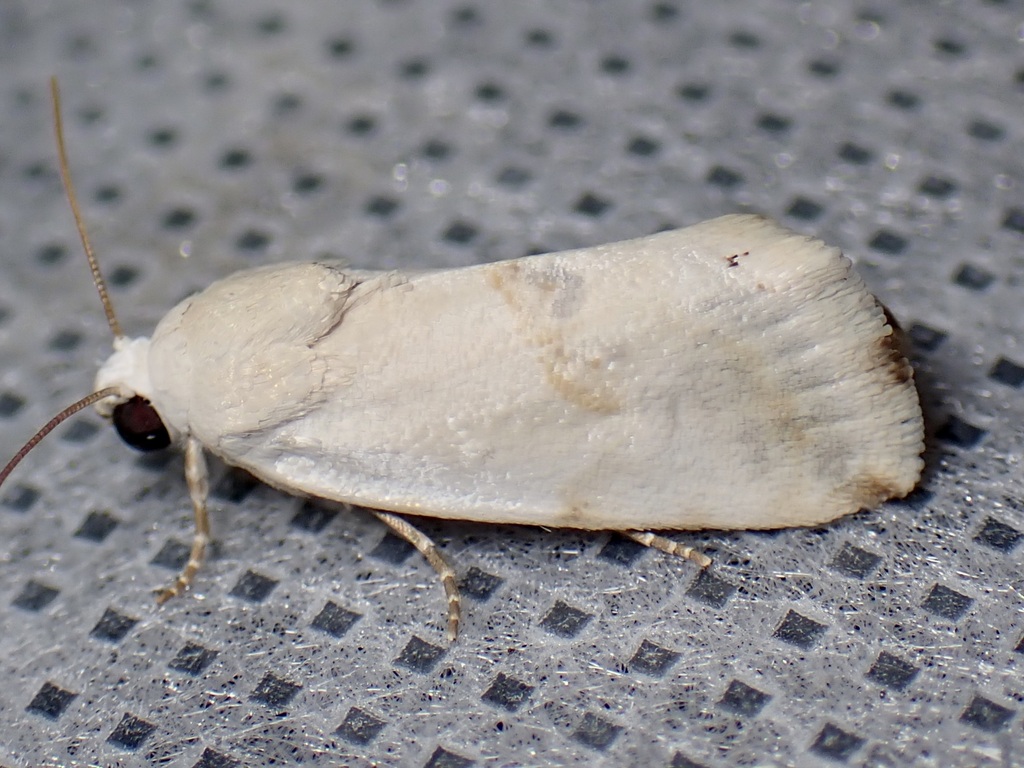
(c) Sue Carnahan, some rights reserved (CC BY) · licence
Family: Noctuidae · Class: Insecta · Order: Lepidoptera
Ponometia acutus is a California animal in the Noctuidae family.
Ponometia acutus is a moth species in the family Noctuidae, commonly known as owlet moths or cutworm moths. Limited taxonomic and biological information is available for this species in current scientific literature, reflecting the need for additional research on many members of this diverse moth family. The physical characteristics of Ponometia acutus are not well-documented in accessible scientific sources. As a member of Noctuidae, it likely exhibits the typical moth body plan with a robust thorax, thread-like or feathery antennae, and wings that fold horizontally over the body when at rest. Noctuidae species typically display cryptic coloration patterns that provide camouflage during daylight hours when they rest on bark, leaves, or soil surfaces. The geographic range and distribution of Ponometia acutus remain poorly defined in current literature. The genus Ponometia includes several North American species, but specific range data for P. acutus is not readily available from standard taxonomic databases or wildlife surveys. This knowledge gap highlights the incomplete understanding of many nocturid moth species' distributions, particularly those that may have restricted ranges or specialized habitat requirements. Habitat preferences for Ponometia acutus are not documented in accessible sources. Most Noctuidae species occupy terrestrial habitats ranging from forests and grasslands to agricultural areas and urban environments. Many species in this family are habitat generalists, while others demonstrate strong associations with specific plant communities or elevation zones. Without targeted ecological studies, the specific habitat requirements of P. acutus remain unknown. The behavioral ecology and life history of Ponometia acutus lack detailed documentation. Noctuidae moths are typically nocturnal, with adults active during evening and nighttime hours for mating, feeding, and oviposition. Most species undergo complete metamorphosis with egg, larval, pupal, and adult stages. Larvae often feed on herbaceous plants, shrubs, or trees, with some species causing agricultural damage as cutworms or armyworms. Adult moths commonly feed on nectar from flowers, tree sap, or rotting organic matter. The conservation status of Ponometia acutus is not established through formal assessment by state or federal agencies. The species does not appear on current endangered species lists or conservation priority rankings. However, the limited available information about this moth's distribution, population status, and ecological requirements prevents adequate evaluation of conservation needs. Many nocturid species face potential threats from habitat loss, pesticide use, and light pollution, which can disrupt their nocturnal behavior patterns. The taxonomic validity and current classification of Ponometia acutus may require verification through modern molecular systematic studies. Historical lepidopteran taxonomy relied primarily on morphological characters, and some species names may represent synonyms or require reclassification based on contemporary phylogenetic analyses.
Classification
Class: Insecta · Order: Lepidoptera · Family: Noctuidae
Frequently asked questions
How is Ponometia acutus classified?
Ponometia acutus belongs to class Insecta, order Lepidoptera, family Noctuidae.
What family does Ponometia acutus belong to?
Ponometia acutus is in the Noctuidae family.
What is Ponometia acutus?
Ponometia acutus is a moth species in the family Noctuidae, commonly known as owlet moths or cutworm moths.
Is Ponometia acutus found in California?
Yes. Ponometia acutus is recorded in California in The California Species Project's catalogue.
Related species
Other California species in the same genus, family, or bioregion.
Data from The California Species Project — 14,000+ California species with verified data from CNPS, CDFW, USFWS, and more.