Ponometia candefacta
Olive-shaded Bird-dropping Moth
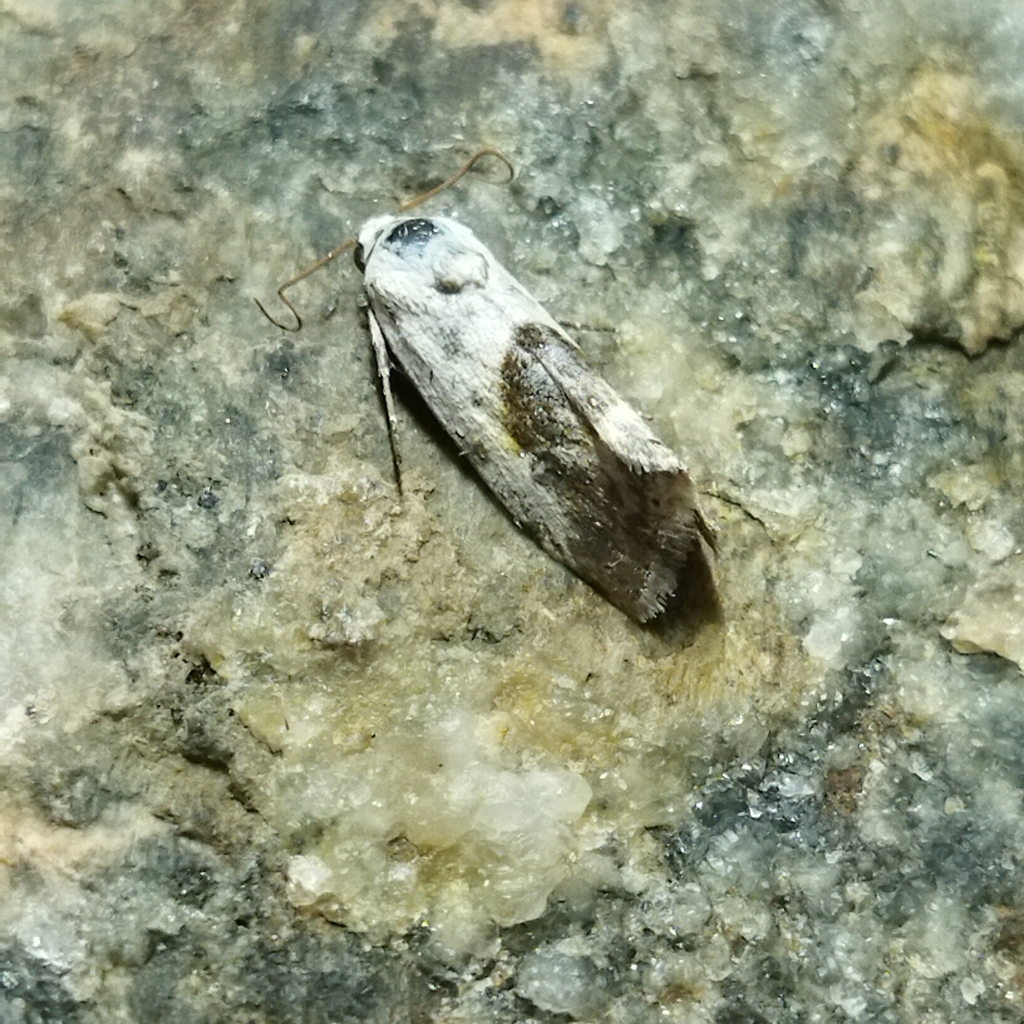
(c) SteveM4560, some rights reserved (CC BY) · licence
Family: Noctuidae · Class: Insecta · Order: Lepidoptera
Ponometia candefacta (Olive-shaded Bird-dropping Moth) is a California animal in the Noctuidae family.
The olive-shaded bird-dropping moth is a small member of the owlet moth family (Noctuidae) that employs cryptic coloration to resemble bird droppings as a predator avoidance strategy. Adults exhibit mottled brown, gray, and olive coloration with irregular white patches that create the distinctive bird-dropping appearance. The forewings display olive-green shading that gives the species its common name, while the hindwings are typically paler with less distinct markings. This species occurs throughout eastern North America, with its range extending from the northern United States south to Mexico (iNaturalist). While the provided database indicates the species is "common throughout eastern North America," verified sighting records from the Butterflies and Moths of North America database show the species has also been documented in western states including Utah and California (BAMONA). BugGuide records confirm occurrences in California and Colorado, suggesting a broader distribution than traditionally recognized. The olive-shaded bird-dropping moth inhabits dry, weedy, disturbed areas at low elevations (iNaturalist). According to BugGuide, adults are found in fields, waste places, and riparian areas where their host plants grow. The species shows a preference for areas with abundant ragweed, its primary larval host plant. These disturbed habitats include agricultural edges, vacant lots, roadsides, and other areas where weedy vegetation establishes. Larvae feed exclusively on ragweed (Ambrosia species), making this moth dependent on the presence of these herbaceous plants. Adults are attracted to artificial lights and are active from April through September, with peak activity during summer months (BugGuide). The extended flight period suggests multiple generations per year in suitable climates. Like other bird-dropping moths, adults likely rest motionless on surfaces during daylight hours, relying on their cryptic appearance to avoid detection by visual predators. The olive-shaded bird-dropping moth has no special conservation status and appears to maintain stable populations throughout its range. The species benefits from human-created disturbances that favor ragweed establishment, including agricultural activities and urban development. Its association with ragweed, often considered a weedy pest species, likely ensures continued habitat availability. The moth has been introduced to Russia as a biological control agent, indicating its potential value in managing ragweed populations (iNaturalist). This introduction demonstrates the species' adaptability and ecological role as a natural herbivore of problematic weedy plants. While not considered threatened, the olive-shaded bird-dropping moth represents an important component of North American ecosystems, serving both as a natural control agent for ragweed and as prey for various predators. Its cryptic appearance and specialized host plant relationship exemplify evolutionary adaptations that allow moths to exploit specific ecological niches while avoiding predation pressure.
Classification
Class: Insecta · Order: Lepidoptera · Family: Noctuidae
Frequently asked questions
How is Ponometia candefacta classified?
Ponometia candefacta belongs to class Insecta, order Lepidoptera, family Noctuidae.
What family does Ponometia candefacta belong to?
Ponometia candefacta is in the Noctuidae family.
What is Ponometia candefacta?
The olive-shaded bird-dropping moth is a small member of the owlet moth family (Noctuidae) that employs cryptic coloration to resemble bird droppings as a predator avoidance strategy.
Is Ponometia candefacta found in California?
Yes. Ponometia candefacta is recorded in California in The California Species Project's catalogue.
Related species
Other California species in the same genus, family, or bioregion.
Data from The California Species Project — 14,000+ California species with verified data from CNPS, CDFW, USFWS, and more.