Ponometia cuta
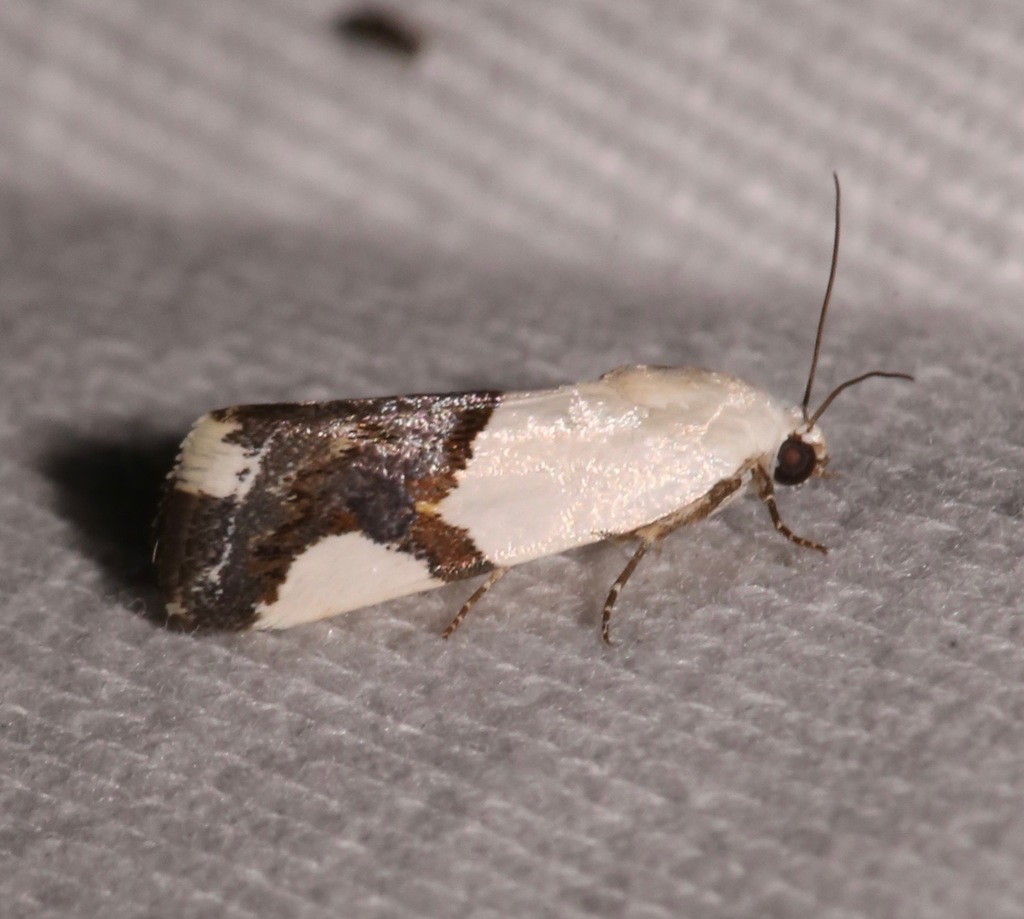
(c) Laura Gaudette, some rights reserved (CC BY) · licence
Family: Noctuidae · Class: Insecta · Order: Lepidoptera
Ponometia cuta is a California animal in the Noctuidae family.
Ponometia cuta is a moth species in the family Noctuidae, commonly known as owlet moths or cutworm moths. This nocturnal lepidopteran belongs to a diverse family containing over 11,000 described species worldwide. Like other members of Noctuidae, P. cuta likely exhibits cryptic coloration patterns that provide camouflage during daylight hours when the moth rests on bark, leaves, or other surfaces. The distribution and range of Ponometia cuta remain poorly documented in the scientific literature. Limited taxonomic and ecological information is available for this species, which appears to be among the less-studied members of the Noctuidae family. The species' presence in California has not been definitively established through published records, though the genus Ponometia includes several North American representatives. Habitat preferences for P. cuta have not been comprehensively described in available literature. Members of the Noctuidae family typically occupy diverse terrestrial habitats ranging from forests and woodlands to grasslands and agricultural areas. Many noctuid species demonstrate broad habitat tolerance, with larvae often feeding on various herbaceous plants while adults seek nectar sources from flowering plants. Elevation preferences and specific microhabitat requirements for this species remain undocumented. The life history and ecological characteristics of Ponometia cuta are not well-established in current scientific literature. Noctuidae moths generally follow a complete metamorphosis pattern, with four distinct life stages: egg, larva, pupa, and adult. Most species are univoltine or bivoltine, producing one or two generations per year depending on climate and latitude. Adult flight periods typically occur during warmer months, with species-specific timing influenced by temperature, photoperiod, and host plant availability. Larvae of many noctuid species are generalist feeders, consuming leaves, stems, or roots of various plant families. Mating behavior in noctuids commonly involves pheromone communication, with females releasing chemical signals to attract males during evening or nighttime hours. Eggs are typically deposited on or near larval host plants, ensuring food availability for developing caterpillars. Pupation may occur in soil, leaf litter, or other protected locations depending on species-specific requirements. The conservation status of Ponometia cuta has not been formally assessed by state or federal agencies. No federal or state listing status has been assigned to this species, and population trends remain unknown due to limited survey data. The species does not appear on the International Union for Conservation of Nature Red List as of December 2025. Without comprehensive distribution data, population estimates, or threat assessments, the conservation needs of P. cuta cannot be adequately evaluated. Further taxonomic research, field surveys, and ecological studies would be necessary to determine the species' conservation status and any potential management requirements.
Classification
Class: Insecta · Order: Lepidoptera · Family: Noctuidae
Frequently asked questions
How is Ponometia cuta classified?
Ponometia cuta belongs to class Insecta, order Lepidoptera, family Noctuidae.
What family does Ponometia cuta belong to?
Ponometia cuta is in the Noctuidae family.
What is Ponometia cuta?
Ponometia cuta is a moth species in the family Noctuidae, commonly known as owlet moths or cutworm moths.
Is Ponometia cuta found in California?
Yes. Ponometia cuta is recorded in California in The California Species Project's catalogue.
Related species
Other California species in the same genus, family, or bioregion.
Data from The California Species Project — 14,000+ California species with verified data from CNPS, CDFW, USFWS, and more.