Pristoceuthophilus sp. 1
Samwell Cave Cricket
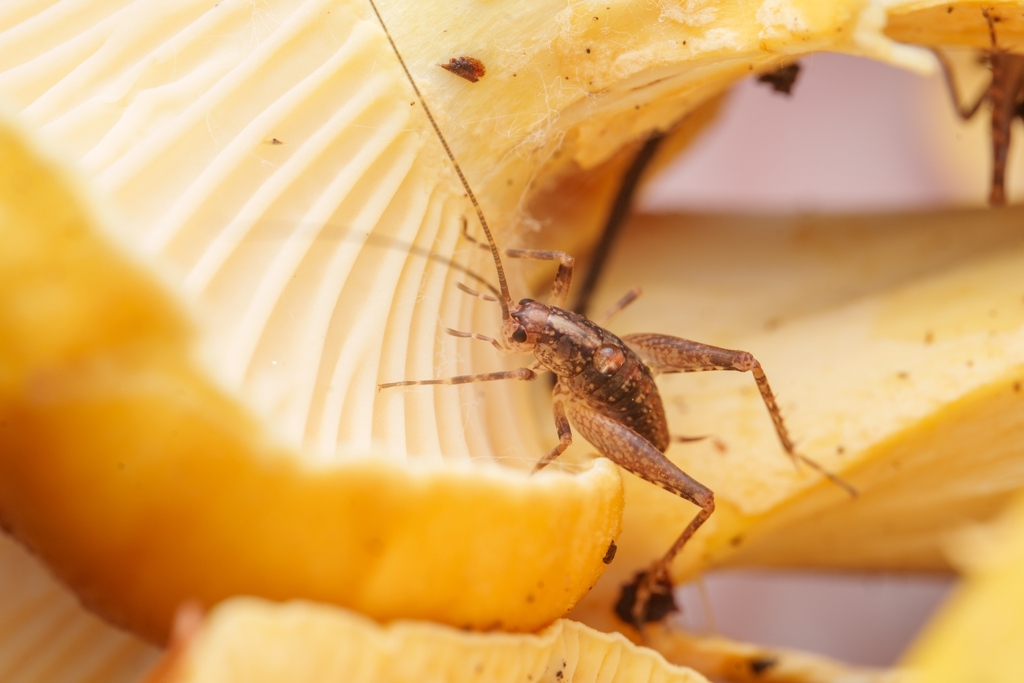
(c) Pete Lypkie, some rights reserved (CC BY) · licence
Family: Rhaphidophoridae · Class: Insecta · Order: Orthoptera
Conservation status: G1G3 S1
Pristoceuthophilus sp. 1 (Samwell Cave Cricket) is a California animal in the Rhaphidophoridae family.
The Samwell Cave Cricket (Pristoceuthophilus sp. 1) is a cave-dwelling orthopteran in the family Rhaphidophoridae, subfamily Ceuthophilinae. As a camel cricket, this species exhibits the characteristic features of the family: a humpbacked appearance, long antennae often exceeding body length, and enlarged hind legs adapted for jumping. Cave crickets typically lack wings and have reduced or absent eyes, adaptations to their subterranean environment. The body is generally pale to translucent, reflecting the lack of pigmentation common in cave-adapted species. This species is endemic to California, with its distribution centered around Samwell Cave and surrounding areas in the northern Sierra Nevada region. The precise extent of its range remains incompletely documented, though it appears to be highly localized. As indicated by its common name, the species is associated with cave systems, suggesting a very restricted geographic distribution typical of obligate cave fauna. Samwell Cave Cricket inhabits limestone cave systems and associated underground environments. Cave crickets in the genus Pristoceuthophilus are typically found in the twilight zones and deeper portions of caves, where they occupy areas with stable temperatures and high humidity. These environments provide the consistent moisture levels essential for their survival. The species likely requires specific microhabitat conditions including appropriate substrate for egg-laying and adequate food resources within the cave ecosystem. As with other cave crickets, this species is presumed to be omnivorous, feeding on organic matter including decaying plant material, fungi, small invertebrates, and detritus that washes into the cave system. Cave crickets play important ecological roles as both predators and prey within cave food webs. Reproductive biology and seasonal activity patterns have not been well documented for this species, though most cave crickets reproduce annually with females laying eggs in moist soil or organic debris. Development likely occurs entirely within the cave environment. The conservation status of Samwell Cave Cricket reflects significant concern for its long-term survival. With a Global/State Rank of G1G3 S1, the species is considered critically imperiled to vulnerable globally and critically imperiled within California as of December 2025. This ranking indicates extremely small population sizes, very limited distribution, or other factors making it highly vulnerable to extinction. Cave ecosystems are particularly susceptible to disturbance from human activities including recreation, water table changes, pollution, and climate change effects on cave hydrology. The highly restricted range typical of cave-endemic species makes them especially vulnerable to local environmental changes. Specific population data and detailed ecological studies for this species are lacking. This species is included on the California Department of Fish and Wildlife's Special Animals List. The designation as 'sp. 1' suggests this may be an undescribed species within the Pristoceuthophilus complex, indicating the need for further taxonomic and biological research. Conservation efforts for cave crickets typically focus on protecting cave habitats from disturbance and maintaining natural hydrological conditions. Given the apparent rarity and restricted distribution of this species, continued monitoring and habitat protection are essential for its persistence.
Classification
Class: Insecta · Order: Orthoptera · Family: Rhaphidophoridae
Conservation status
G1G3 S1
Frequently asked questions
How is Pristoceuthophilus sp. 1 classified?
Pristoceuthophilus sp. 1 belongs to class Insecta, order Orthoptera, family Rhaphidophoridae.
What family does Pristoceuthophilus sp. 1 belong to?
Pristoceuthophilus sp. 1 is in the Rhaphidophoridae family.
Is Pristoceuthophilus sp. 1 protected or of conservation concern?
Pristoceuthophilus sp. 1 carries the following status: G1G3 S1.
What is Pristoceuthophilus sp. 1?
The Samwell Cave Cricket (Pristoceuthophilus sp.
Is Pristoceuthophilus sp. 1 found in California?
Yes. Pristoceuthophilus sp. 1 is recorded in California in The California Species Project's catalogue.
Related species
Other California species in the same genus, family, or bioregion.
Data from The California Species Project — 14,000+ California species with verified data from CNPS, CDFW, USFWS, and more.