Probole amicaria
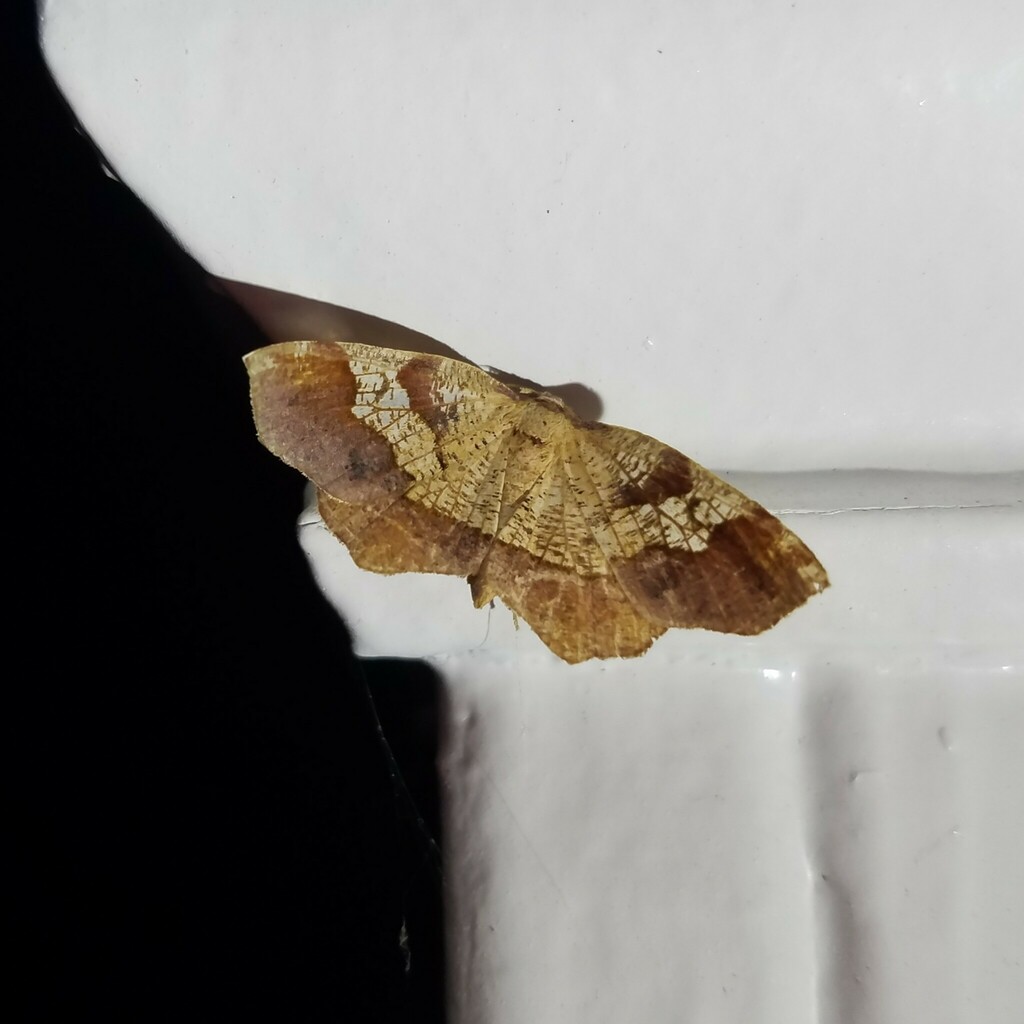
(c) Leila Dasher, some rights reserved (CC BY) · licence
Family: Geometridae · Class: Insecta · Order: Lepidoptera
Probole amicaria is a California animal in the Geometridae family.
Probole amicaria is a moth species belonging to the family Geometridae, commonly known as geometrid moths or inchworms. This species represents one of the many geometrid moths found in North America, characterized by the typical moth body plan with broad wings and slender antennae. Adult geometrids typically hold their wings horizontally when at rest, distinguishing them from many other moth families. Specific morphological details for P. amicaria, including wingspan measurements and wing coloration patterns, require further documentation from specimen collections. The geographic distribution of Probole amicaria includes portions of western North America, though detailed range mapping remains incomplete. Geometrid moths in this genus are typically associated with forested and woodland habitats where their host plants occur. The species likely occurs across elevational gradients that support suitable vegetation communities, following patterns common to other Probole species. Habitat requirements for P. amicaria center around the availability of appropriate host plants for larval development. Geometridae larvae, known as inchworms or loopers, are herbivorous and often display host plant specificity. The caterpillars move in a characteristic looping motion, extending and contracting their bodies due to having fewer prolegs than other lepidopteran larvae. Adults are typically attracted to light sources and may be encountered at porch lights or moth traps during their flight season. Lifecycle information for Probole amicaria follows the standard lepidopteran pattern of complete metamorphosis. Eggs are laid on or near host plants, developing into the distinctive looping caterpillars. Larvae likely overwinter as pupae in the soil or leaf litter, with adults emerging during warmer months. Flight timing and voltinism patterns would require field observations and specimen records to establish definitively. Many geometrids are univoltine, producing one generation per year. The conservation status of Probole amicaria has not been formally assessed at federal or state levels. Like many invertebrate species, particularly moths, comprehensive population data and trend assessments are lacking. Potential threats to geometrid moths generally include habitat modification, pesticide applications, and light pollution that can disrupt natural behavior patterns. Climate change may also affect the timing of emergence and synchronization with host plants. The species appears to maintain stable populations where suitable habitat persists, though monitoring efforts specific to P. amicaria would be needed to establish population trends. Conservation of native plant communities and reduction of unnecessary artificial lighting can benefit geometrid moth populations broadly.
Classification
Class: Insecta · Order: Lepidoptera · Family: Geometridae
Frequently asked questions
How is Probole amicaria classified?
Probole amicaria belongs to class Insecta, order Lepidoptera, family Geometridae.
What family does Probole amicaria belong to?
Probole amicaria is in the Geometridae family.
What is Probole amicaria?
Probole amicaria is a moth species belonging to the family Geometridae, commonly known as geometrid moths or inchworms.
Is Probole amicaria found in California?
Yes. Probole amicaria is recorded in California in The California Species Project's catalogue.
Related species
Other California species in the same genus, family, or bioregion.
Data from The California Species Project — 14,000+ California species with verified data from CNPS, CDFW, USFWS, and more.