Properigea albimacula
White-spotted Properigea
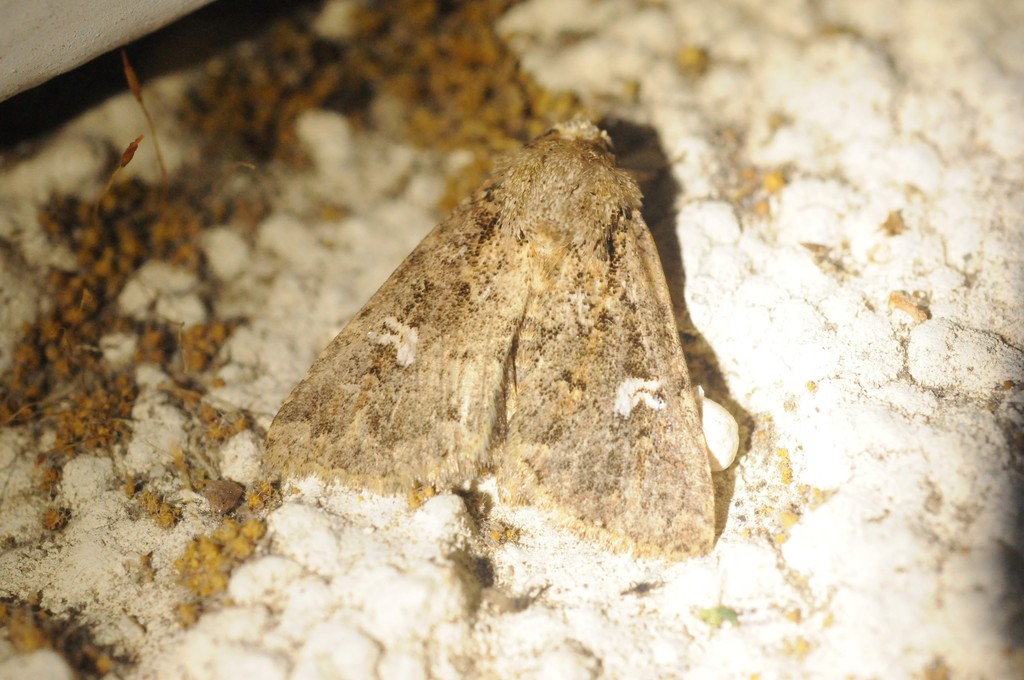
(c) Hawk T., some rights reserved (CC BY) · licence
Family: Noctuidae · Class: Insecta · Order: Lepidoptera
Properigea albimacula (White-spotted Properigea) is a California animal in the Noctuidae family.
The White-spotted Properigea is a nocturnal moth in the family Noctuidae, subfamily Noctuinae. Adults have a wingspan of approximately 30 mm (1.2 inches), with forewings displaying distinctive white spots that give the species its common name. The moth exhibits the typical robust body structure characteristic of cutworm moths, with moderately broad forewings and smaller hindwings. Properigea albimacula occurs across western North America, ranging from California north to British Columbia and extending eastward to Utah. Within California, the species has been documented in multiple counties, including documented records from San Benito County in the central coast region. The species appears to have a relatively broad distribution across suitable habitat types throughout its range. This species inhabits diverse vegetation communities, with documented occurrences in live oak and chaparral habitats (BugGuide). Adults have been collected in areas supporting mixed woodland and shrubland communities, suggesting adaptation to Mediterranean climate zones typical of California's foothill and montane regions. The species likely occurs across a range of elevations, though specific elevation limits have not been well documented in the literature. White-spotted Properigea adults are nocturnal and strongly attracted to artificial lights, including mercury vapor and blacklight traps commonly used by lepidopterists. Flight activity has been recorded in July in California locations, though the complete seasonal activity period and number of broods per year require further documentation (BugGuide). Like other members of the Noctuidae, larvae are likely ground-dwelling caterpillars that feed on herbaceous plants or low shrubs, though specific host plant relationships have not been definitively established for this species. The larval stage probably overwinters, with adults emerging during warmer months. According to NatureServe, Properigea albimacula is ranked as G4 (apparently secure globally), indicating that while the species may be uncommon in parts of its range, it is not considered at significant risk of extinction (NatureServe Explorer). The species lacks formal federal or state conservation status listings and is not currently managed under the Endangered Species Act. No specific population trends or conservation concerns have been documented, though like many nocturnal moth species, populations could potentially be affected by habitat loss, light pollution, or pesticide use in agricultural and urban areas. Taxonomic placement of this species within the genus Properigea and the broader Noctuinae classification appears stable, though molecular studies of noctuid relationships continue to refine our understanding of evolutionary relationships within this diverse moth family. The species represents one component of California's rich nocturnal lepidopteran fauna, contributing to ecosystem functions including pollination and serving as prey for nocturnal predators such as bats and spiders.
Classification
Class: Insecta · Order: Lepidoptera · Family: Noctuidae
Frequently asked questions
How is Properigea albimacula classified?
Properigea albimacula belongs to class Insecta, order Lepidoptera, family Noctuidae.
What family does Properigea albimacula belong to?
Properigea albimacula is in the Noctuidae family.
What is Properigea albimacula?
The White-spotted Properigea is a nocturnal moth in the family Noctuidae, subfamily Noctuinae.
Is Properigea albimacula found in California?
Yes. Properigea albimacula is recorded in California in The California Species Project's catalogue.
Related species
Other California species in the same genus, family, or bioregion.
Data from The California Species Project — 14,000+ California species with verified data from CNPS, CDFW, USFWS, and more.