Prophysaon sp. 1
Klamath Taildropper
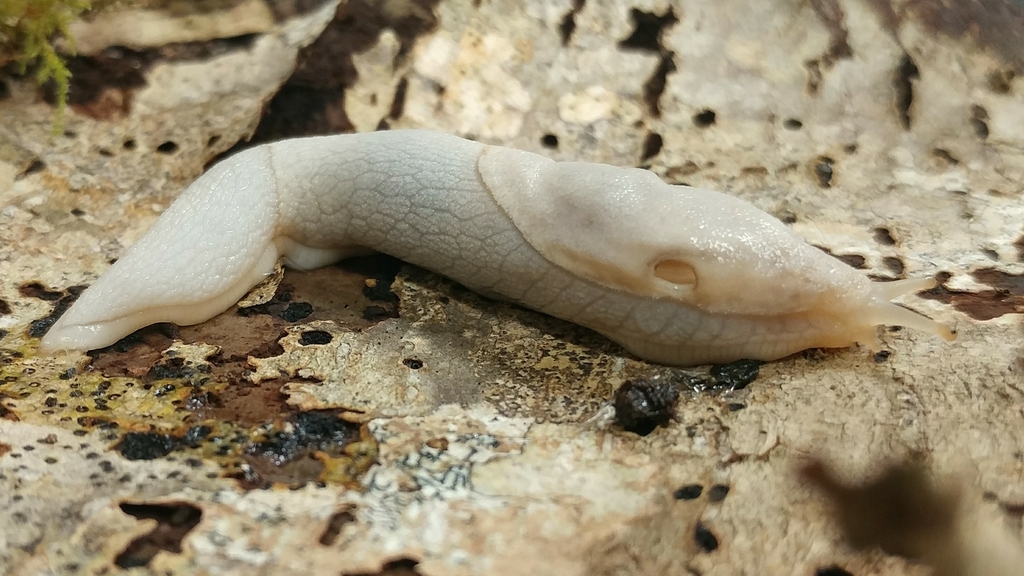
(c) Casey H. Richart, some rights reserved (CC BY) · licence
Family: Arionidae · Class: Gastropoda · Order: Stylommatophora
Conservation status: G3 S3
Prophysaon sp. 1 (Klamath Taildropper) is a California animal in the Arionidae family.
The Klamath taildropper (Prophysaon sp. 1) is a terrestrial gastropod mollusk in the family Arionidae, endemic to the Pacific Northwest region. This species represents one of several undescribed taxa within the Prophysaon genus, distinguished by morphological and genetic characteristics that separate it from related species such as P. coeruleum and P. foliolatum. Adult slugs typically measure 40-60 mm in length when extended, with a characteristic ability to autotomize (drop) their tail when threatened, a defensive behavior that gives the group its common name. The Klamath taildropper occurs in the Klamath Mountains of southwestern Oregon and northern California, representing a geographically restricted endemic species. According to NatureServe, this species is associated with Northern Rocky Mountain Ponderosa Pine Woodland and Mediterranean California Foothill and Lower Montane Riparian systems. The distribution appears to be closely tied to specific elevation zones and forest types within this biogeographic region. This species inhabits moist forest environments, particularly areas with dense leaf litter, decaying wood, and high humidity levels typical of Pacific Northwest coniferous forests. The species shows preference for sites with adequate moisture retention and organic matter accumulation. Research on related Prophysaon species indicates they require specific microhabitat conditions, including consistent soil moisture and protection from desiccation (Xerces Society 2012). Forest management practices significantly affect habitat suitability, with studies showing that retention of tree cover and organic debris benefits terrestrial gastropod populations. Klamath taildroppersare primarily detritivorous, feeding on decomposing plant material, fungi, and organic matter within the forest floor ecosystem. Like other members of the genus, they likely play important roles in nutrient cycling and decomposition processes. Reproduction involves the deposition of gelatinous egg masses in protected microsites within the leaf litter or soil. Seasonal activity patterns typically follow moisture availability, with peak activity during wet periods and reduced activity during dry summer months. The species exhibits limited dispersal capability, making populations vulnerable to habitat fragmentation. The Klamath taildropper currently holds a Global Conservation Status Rank of G3 (Vulnerable), indicating it faces a moderate risk of extinction due to restricted range and specialized habitat requirements. The species is not federally listed under the Endangered Species Act as of December 2025, but its narrow endemism and dependence on specific forest conditions make it susceptible to threats including timber harvesting, habitat fragmentation, climate change, and altered fire regimes. Forest management practices that maintain canopy cover, retain coarse woody debris, and preserve soil moisture are critical for population persistence. The taxonomic uncertainty surrounding this species, indicated by its "sp. 1" designation, highlights the need for additional systematic research to fully document and protect Pacific Northwest gastropod diversity. Conservation efforts should focus on maintaining habitat connectivity and implementing forest practices that preserve the microhabitat conditions essential for this endemic species.
Classification
Class: Gastropoda · Order: Stylommatophora · Family: Arionidae
Conservation status
G3 S3
Frequently asked questions
How is Prophysaon sp. 1 classified?
Prophysaon sp. 1 belongs to class Gastropoda, order Stylommatophora, family Arionidae.
What family does Prophysaon sp. 1 belong to?
Prophysaon sp. 1 is in the Arionidae family.
Is Prophysaon sp. 1 protected or of conservation concern?
Prophysaon sp. 1 carries the following status: G3 S3.
What is Prophysaon sp. 1?
The Klamath taildropper (Prophysaon sp.
Is Prophysaon sp. 1 found in California?
Yes. Prophysaon sp. 1 is recorded in California in The California Species Project's catalogue.
Related species
Other California species in the same genus, family, or bioregion.
Data from The California Species Project — 14,000+ California species with verified data from CNPS, CDFW, USFWS, and more.