Prosopium williamsoni
Mountain whitefish
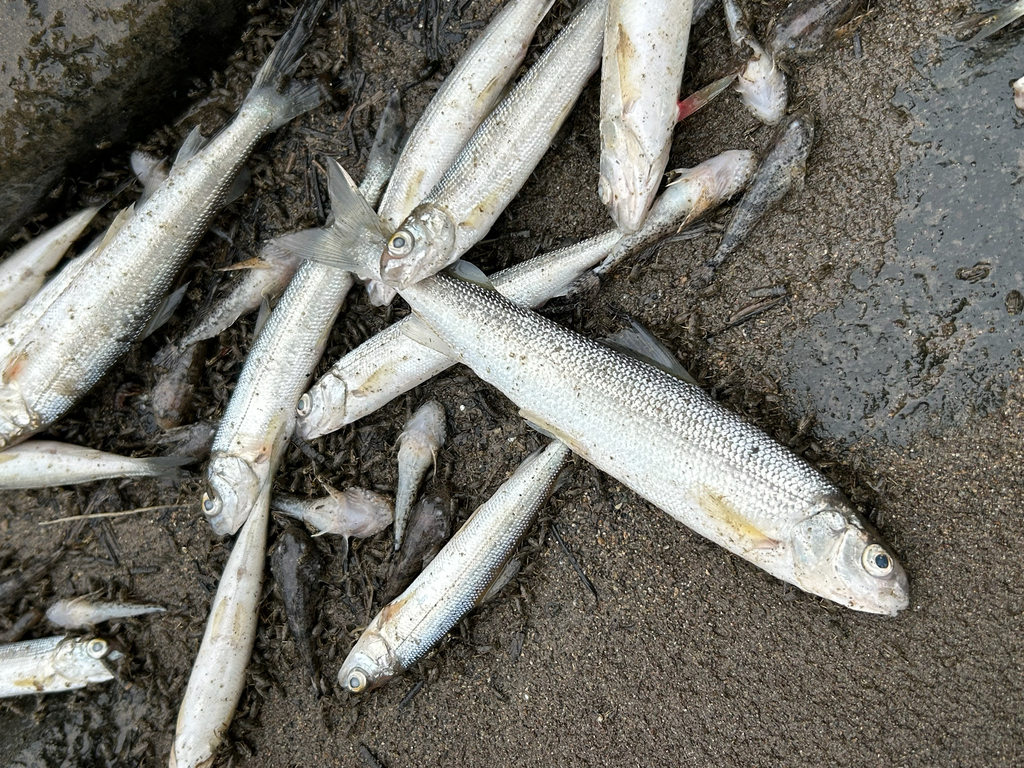
(c) Elliott Gordon, some rights reserved (CC BY) · licence
Family: Salmonidae · Class: Actinopterygii · Order: Salmoniformes
Conservation status: G5 S3
Prosopium williamsoni (Mountain whitefish) is a California animal in the Salmonidae family.
The mountain whitefish is a medium-sized freshwater fish native to cold-water systems of western North America. Adults typically measure 200 to 400 mm (8 to 16 inches) in total length, with some individuals reaching up to 500 mm (20 inches). The body is elongate and laterally compressed, with a small, subterminal mouth positioned below a pointed snout. The species displays silver sides with a darker olive-green to brown dorsal surface and pale ventral coloration. Mountain whitefish possess an adipose fin characteristic of salmonids, along with large scales numbering 80 to 90 along the lateral line. Historically, mountain whitefish occurred throughout the Columbia River basin, upper Missouri River drainage, and select coastal drainages from British Columbia to northern California. In California, the species is found in the northeastern portion of the state, primarily in the Pit River system and select tributaries of the Sacramento River drainage. Current distribution is more restricted than historical range due to habitat modifications and water management practices. Mountain whitefish inhabit clear, cold streams and lakes with water temperatures typically below 20°C (68°F). The species prefers areas with rocky or gravelly substrates and moderate to swift currents. Adults are commonly found in pools and runs of medium to large streams at elevations ranging from 300 to 2,000 meters (1,000 to 6,600 feet). Juveniles often utilize shallow, near-shore areas with cover provided by overhanging vegetation or submerged structures. Mountain whitefish are opportunistic feeders, consuming aquatic invertebrates including chironomid larvae, mayfly nymphs, caddisfly larvae, and small crustaceans. Adults may also consume small fish and fish eggs when available. Spawning occurs in fall, typically from September through November, when water temperatures drop below 10°C (50°F). Males develop tubercles on their heads and fins during breeding season. Females broadcast 1,000 to 10,000 eggs over gravel beds in shallow water, with no parental care provided. Eggs incubate through winter, hatching in spring when water temperatures rise. The mountain whitefish is assigned a global rank of G5 (secure) but a state rank of S3 (vulnerable) in California, indicating stable populations range-wide but concern within the state. The species faces threats from habitat degradation, water diversions, and temperature increases associated with climate change. Dam construction has fragmented populations and altered flow regimes in many watersheds. Water temperature increases above optimal ranges can stress populations and reduce reproductive success. Additionally, introduced species may compete for resources or prey upon mountain whitefish eggs and juveniles. Conservation efforts focus on maintaining cold-water habitat, protecting spawning areas, and managing water diversions to preserve adequate flows and temperatures in occupied streams.
Classification
Class: Actinopterygii · Order: Salmoniformes · Family: Salmonidae
Conservation status
G5 S3
Frequently asked questions
How is Prosopium williamsoni classified?
Prosopium williamsoni belongs to class Actinopterygii, order Salmoniformes, family Salmonidae.
What family does Prosopium williamsoni belong to?
Prosopium williamsoni is in the Salmonidae family.
Is Prosopium williamsoni protected or of conservation concern?
Prosopium williamsoni carries the following status: G5 S3.
What is Prosopium williamsoni?
The mountain whitefish is a medium-sized freshwater fish native to cold-water systems of western North America.
Is Prosopium williamsoni found in California?
Yes. Prosopium williamsoni is recorded in California in The California Species Project's catalogue.
Related species
Other California species in the same genus, family, or bioregion.
Data from The California Species Project — 14,000+ California species with verified data from CNPS, CDFW, USFWS, and more.