Protitame subalbaria
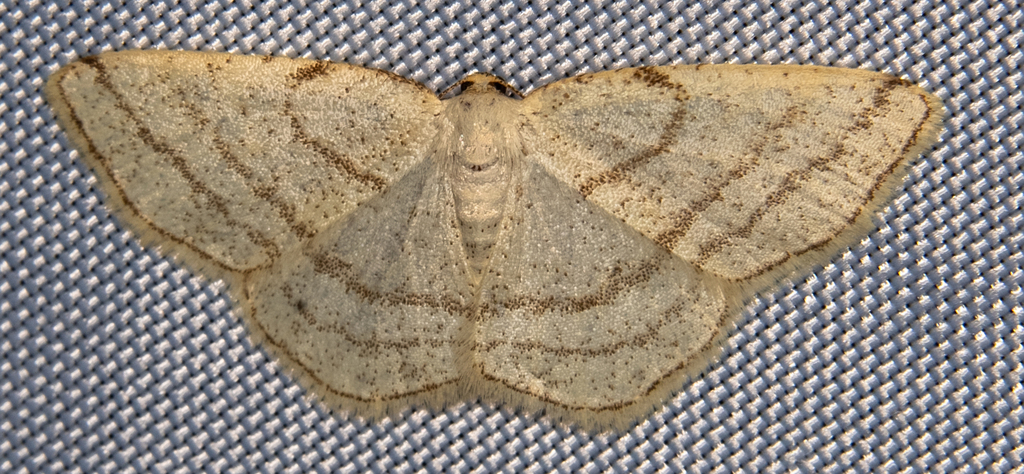
(c) Michael Warner, some rights reserved (CC BY) · licence
Family: Geometridae · Class: Insecta · Order: Lepidoptera
Protitame subalbaria is a California animal in the Geometridae family.
Protitame subalbaria is a moth species in the family Geometridae, commonly known as geometrid moths or inchworms. This species belongs to a diverse family of Lepidoptera characterized by their distinctive wing patterns and larval locomotion. Adult moths in the genus Protitame typically display cryptic coloration that provides camouflage against tree bark and other surfaces. The specific range and distribution of Protitame subalbaria within California requires further documentation. Geometridae moths are found throughout North America, with many species adapted to specific regional habitats and host plant associations. The genus Protitame includes several species distributed across western North America, though detailed range maps for individual species are often limited. Geometrid moths typically inhabit forested and woodland environments where their host plants occur. Many species in this family are associated with deciduous and coniferous trees, with larvae feeding on foliage during their development. The specific habitat requirements and elevation preferences for Protitame subalbaria have not been thoroughly documented in available literature. Like other Geometridae, this species likely undergoes complete metamorphosis with egg, larval, pupal, and adult stages. Geometridae larvae are distinctive for their looping method of locomotion, lacking prolegs on several abdominal segments and moving by bringing their posterior end forward to meet their thoracic legs. Adult moths are typically nocturnal and attracted to artificial lights. Mating and egg-laying behaviors follow patterns common to other geometrid species, with females depositing eggs on or near suitable host plants. The conservation status of Protitame subalbaria has not been formally assessed by state or federal agencies. Many geometrid moth species face pressures from habitat loss, particularly in areas where native vegetation has been converted to agriculture or urban development. Light pollution can also affect nocturnal moth species by disrupting natural behavior patterns and increasing predation risk. Climate change may alter the distribution of suitable habitat and affect the timing of life cycle events. Detailed biological information for Protitame subalbaria remains limited in published literature. This species represents one of many geometrid moths requiring additional study to understand their ecological role, distribution patterns, and conservation needs. Further research is needed to document host plant associations, life history characteristics, and population status within California's diverse ecosystems.
Classification
Class: Insecta · Order: Lepidoptera · Family: Geometridae
Frequently asked questions
How is Protitame subalbaria classified?
Protitame subalbaria belongs to class Insecta, order Lepidoptera, family Geometridae.
What family does Protitame subalbaria belong to?
Protitame subalbaria is in the Geometridae family.
What is Protitame subalbaria?
Protitame subalbaria is a moth species in the family Geometridae, commonly known as geometrid moths or inchworms.
Is Protitame subalbaria found in California?
Yes. Protitame subalbaria is recorded in California in The California Species Project's catalogue.
Related species
Other California species in the same genus, family, or bioregion.
Data from The California Species Project — 14,000+ California species with verified data from CNPS, CDFW, USFWS, and more.