Protobalandricus spectabilis
Tapered Stem Gall Wasp
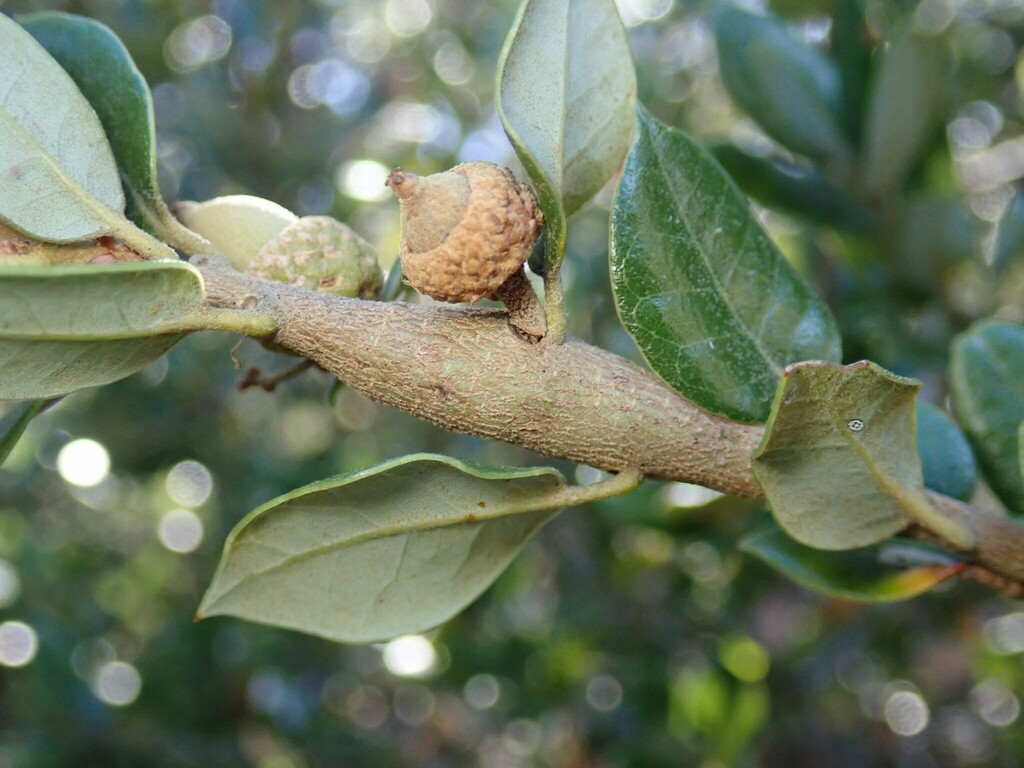
(c) Cricket Raspet, some rights reserved (CC BY) · licence
Family: Cynipidae · Class: Insecta · Order: Hymenoptera
Protobalandricus spectabilis (Tapered Stem Gall Wasp) is a California animal in the Cynipidae family.
The Tapered Stem Gall Wasp (Protobalandricus spectabilis) is a small parasitoid wasp in the family Cynipidae, a group known for inducing gall formations on their host plants. This species exhibits the typical cynipid morphology with a compact body measuring approximately 2-4 millimeters in length. Adults display the characteristic dark coloration common to gall wasps, with a robust thorax and well-developed wings adapted for dispersal to host plants. The current distribution of Protobalandricus spectabilis appears to be poorly documented in the scientific literature. Based on available taxonomic records, this species is known from western North America, though specific range boundaries and population centers have not been comprehensively mapped. The lack of detailed distribution data reflects the broader challenge in documenting many cynipid species, which often have restricted ranges tied to specific host plant relationships. Habitat requirements for this species remain largely undetermined due to limited ecological research. Like other cynipid wasps, P. spectabilis likely inhabits areas where its host plants occur, potentially including oak woodlands, chaparral, or mixed forest communities typical of California ecosystems. The species presumably requires suitable microclimatic conditions for gall development and larval survival, though specific habitat parameters have not been documented. The life cycle of Protobalandricus spectabilis follows the typical cynipid pattern of inducing galls on host plants for larval development. Adult females use their ovipositors to insert eggs into plant tissues, triggering the formation of specialized gall structures that provide both nutrition and protection for developing larvae. The specific host plant relationships for this species have not been definitively established in published literature. Timing of adult emergence, mating behaviors, and seasonal activity patterns remain undocumented, representing significant knowledge gaps in understanding this species' ecology. Currently, Protobalandricus spectabilis lacks federal or state conservation status designations. The species does not appear on the U.S. Fish and Wildlife Service's lists of threatened or endangered species, nor is it included in California's special status species inventories as of December 2025. This absence from conservation lists likely reflects both the species' presumed stability and the limited research attention given to most cynipid wasps rather than any comprehensive population assessment. The primary conservation challenge for this species involves the fundamental lack of biological and ecological information necessary for effective management. Without documented host plant relationships, habitat requirements, or population trends, assessing potential threats or conservation needs remains impossible. Climate change, habitat fragmentation, and invasive species could potentially impact cynipid populations, but species-specific vulnerabilities cannot be evaluated without baseline ecological data. Future research priorities should focus on documenting host plant associations, mapping current distribution, and establishing population monitoring protocols to support evidence-based conservation planning.
Classification
Class: Insecta · Order: Hymenoptera · Family: Cynipidae
Frequently asked questions
How is Protobalandricus spectabilis classified?
Protobalandricus spectabilis belongs to class Insecta, order Hymenoptera, family Cynipidae.
What family does Protobalandricus spectabilis belong to?
Protobalandricus spectabilis is in the Cynipidae family.
What is Protobalandricus spectabilis?
The Tapered Stem Gall Wasp (Protobalandricus spectabilis) is a small parasitoid wasp in the family Cynipidae, a group known for inducing gall formations on their host plants.
Is Protobalandricus spectabilis found in California?
Yes. Protobalandricus spectabilis is recorded in California in The California Species Project's catalogue.
Related species
Other California species in the same genus, family, or bioregion.
Data from The California Species Project — 14,000+ California species with verified data from CNPS, CDFW, USFWS, and more.