Protorthodes incincta
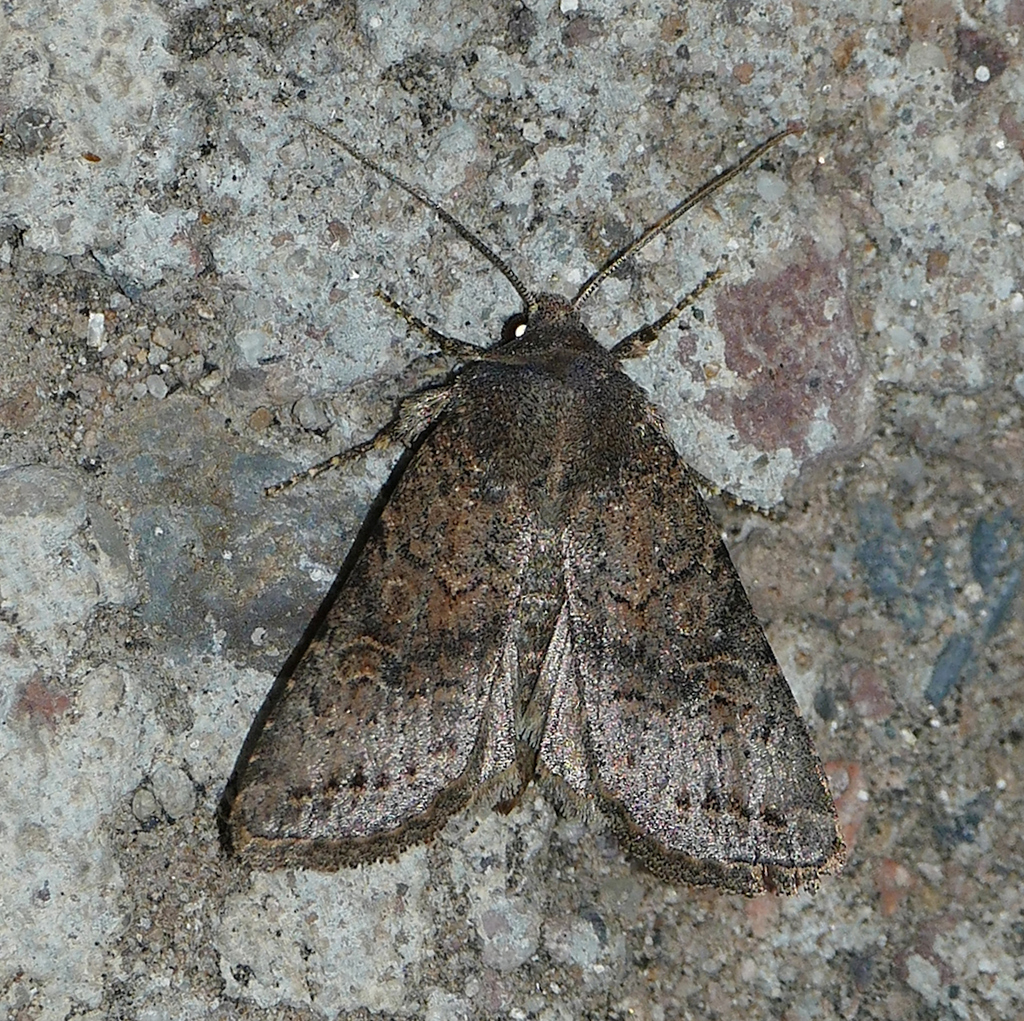
(c) Wendy McCrady, some rights reserved (CC BY) · licence
Family: Noctuidae · Class: Insecta · Order: Lepidoptera
Protorthodes incincta is a California animal in the Noctuidae family.
Protorthodes incincta is a moth species in the family Noctuidae, commonly known as noctuid moths or owlet moths. This species belongs to the genus Protorthodes, which comprises several North American moth species characterized by their cryptic coloration and nocturnal habits. Adult moths typically measure 12 to 16 mm in forewing length, with a wingspan ranging from 24 to 32 mm. The forewings display a mottled pattern of brown, gray, and tan scales, providing effective camouflage against tree bark and dried vegetation. The hindwings are typically lighter, ranging from pale gray to whitish with darker marginal areas. Like other noctuids, P. incincta possesses thread-like antennae and a robust body structure adapted for nocturnal flight. The species occurs in western North America, with documented records from California, Nevada, and adjacent southwestern states. Within California, specimens have been collected from various counties, though comprehensive distribution data remains limited. The species appears to have a patchy distribution pattern typical of many specialized noctuid moths. Protorthodes incincta inhabits arid and semi-arid environments, including desert scrublands, chaparral, and oak woodlands. Adults are typically found at elevations ranging from sea level to approximately 1,500 meters. The species shows preference for areas with scattered woody vegetation and open spaces, which provide both larval host plants and adult nectar sources. Adults are active during late spring and early summer months, typically from April through July, with peak activity occurring in May and June. Like most noctuids, P. incincta is strictly nocturnal, with adults emerging after sunset to mate and feed. Males are attracted to artificial lights and pheromone sources. Females deposit eggs on or near larval host plants, though specific host plant relationships for this species require further documentation. Larvae likely feed on herbaceous plants or low-growing shrubs common in their habitat, following the typical noctuid pattern of caterpillars that feed on leaves and stems during nighttime hours. The conservation status of Protorthodes incincta has not been formally assessed by state or federal agencies. As with many invertebrate species, population trends and threats are poorly documented. The species may face habitat pressure from urban development, agricultural conversion, and invasive plant species in its range. Climate change could potentially affect the species through alterations to precipitation patterns and plant community composition in arid environments. Additional taxonomic and ecological research is needed to better understand the species' distribution, life history, and conservation needs. Systematic surveys would help clarify the species' current status and inform any future conservation planning efforts.
Classification
Class: Insecta · Order: Lepidoptera · Family: Noctuidae
Frequently asked questions
How is Protorthodes incincta classified?
Protorthodes incincta belongs to class Insecta, order Lepidoptera, family Noctuidae.
What family does Protorthodes incincta belong to?
Protorthodes incincta is in the Noctuidae family.
What is Protorthodes incincta?
Protorthodes incincta is a moth species in the family Noctuidae, commonly known as noctuid moths or owlet moths.
Is Protorthodes incincta found in California?
Yes. Protorthodes incincta is recorded in California in The California Species Project's catalogue.
Related species
Other California species in the same genus, family, or bioregion.
Data from The California Species Project — 14,000+ California species with verified data from CNPS, CDFW, USFWS, and more.