Protorthodes melanopis
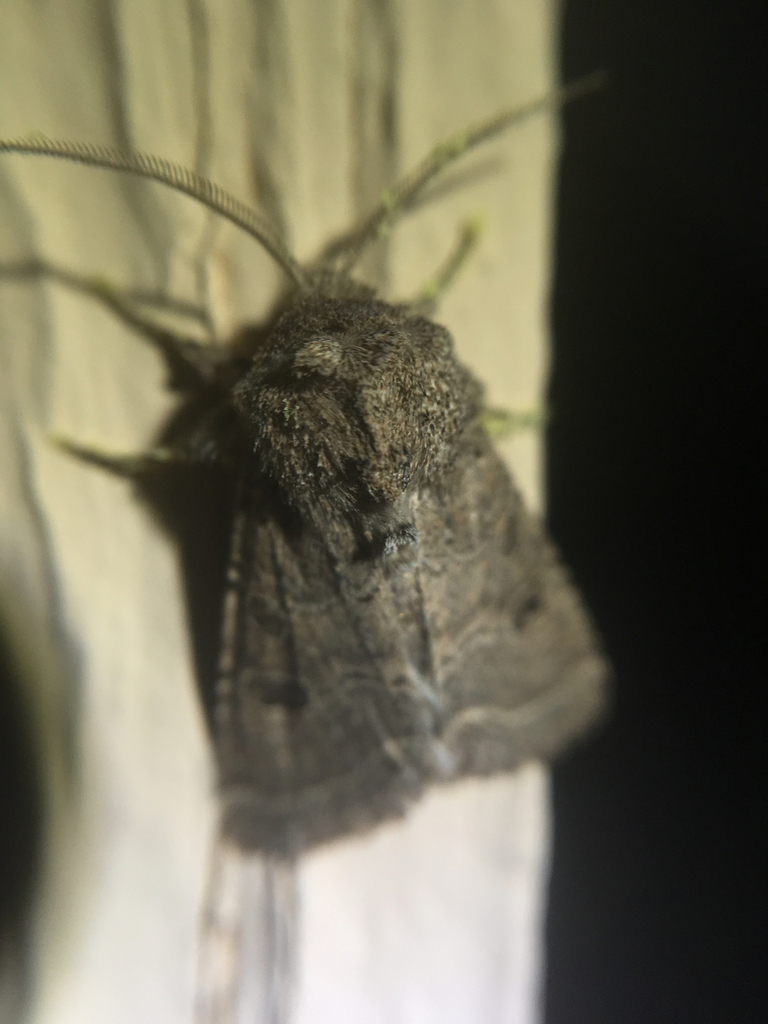
(c) Kyle Elshoff, some rights reserved (CC BY) · licence
Family: Noctuidae · Class: Insecta · Order: Lepidoptera
Protorthodes melanopis is a California animal in the Noctuidae family.
Protorthodes melanopis is a moth species in the family Noctuidae, commonly known as owlet moths or cutworm moths. This nocturnal lepidopteran belongs to a genus of small to medium-sized moths distributed across North America. The species exhibits the typical noctuid body plan with a robust thorax, narrow forewings, and broad hindwings adapted for nighttime flight. Limited taxonomic and morphological information is available for Protorthodes melanopis in current literature. Like other members of the genus Protorthodes, adults likely display cryptic coloration with mottled brown, gray, or tan forewings that provide camouflage when resting on tree bark or vegetation during daylight hours. The hindwings are typically lighter in color, often pale gray or whitish. Wing patterns may include characteristic noctuid markings such as orbicular and reniform spots, though specific details for P. melanopis require further documentation. The historical and current range of Protorthodes melanopis remains poorly documented in available sources. The genus Protorthodes occurs throughout western and southwestern North America, with various species adapted to diverse habitats from desert regions to montane forests. Without verified distribution records, the specific range of P. melanopis within California or other states cannot be definitively stated. Habitat preferences for this species are not well-established in current literature. Other Protorthodes species typically inhabit areas with suitable host plants for larval development, which may include various shrubs and herbaceous plants depending on the specific species. Adults are attracted to artificial lights and may be found in areas with mixed vegetation that supports both larval host plants and adult nectar sources. The life cycle of Protorthodes melanopis likely follows the typical noctuid pattern of complete metamorphosis. Adults probably emerge during specific seasons to mate and lay eggs on or near larval host plants. Larvae develop through multiple instars, feeding on foliage before pupating in soil or leaf litter. Many noctuid species have one or two generations per year, though the specific phenology of P. melanopis requires documentation. Adults are presumably nocturnal, with peak activity during nighttime hours when they seek mates and nectar sources. The conservation status of Protorthodes melanopis is not established, as the species lacks federal or state protection designations. Without adequate survey data or population assessments, threats to this species cannot be properly evaluated. Many moth species face challenges from habitat loss, pesticide use, light pollution that disrupts nocturnal behavior, and climate change effects on host plant distributions. The apparent lack of recent records or detailed studies of P. melanopis suggests either a very limited distribution, confusion with similar species, or insufficient survey effort in appropriate habitats. Further taxonomic research and field surveys are needed to clarify the status, distribution, and ecological requirements of Protorthodes melanopis. Comprehensive moth inventories in potential habitat areas could help determine whether this species remains extant and identify any conservation needs.
Classification
Class: Insecta · Order: Lepidoptera · Family: Noctuidae
Frequently asked questions
How is Protorthodes melanopis classified?
Protorthodes melanopis belongs to class Insecta, order Lepidoptera, family Noctuidae.
What family does Protorthodes melanopis belong to?
Protorthodes melanopis is in the Noctuidae family.
What is Protorthodes melanopis?
Protorthodes melanopis is a moth species in the family Noctuidae, commonly known as owlet moths or cutworm moths.
Is Protorthodes melanopis found in California?
Yes. Protorthodes melanopis is recorded in California in The California Species Project's catalogue.
Related species
Other California species in the same genus, family, or bioregion.
Data from The California Species Project — 14,000+ California species with verified data from CNPS, CDFW, USFWS, and more.