Pseudacris hypochondriaca
Baja California Treefrog
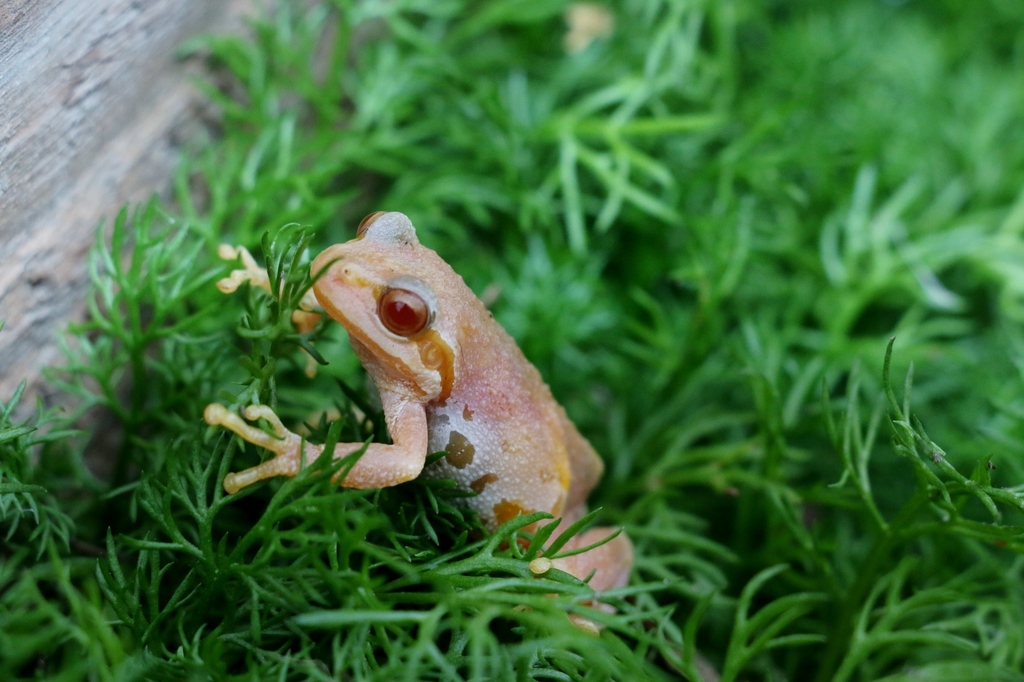
(c) brentnmoran, some rights reserved (CC BY-SA) · licence
Family: Hylidae · Class: Amphibia · Order: Anura
Pseudacris hypochondriaca (Baja California Treefrog) is a California animal in the Hylidae family.
The Baja California treefrog (Pseudacris cadaverina) is a small amphibian in the family Hylidae, native to the Pacific Coast region. Adults typically measure 19 to 51 mm (0.75 to 2.0 inches) in snout-vent length, with females slightly larger than males. The dorsal coloration varies from gray to brown, green, or reddish-brown, often changing with temperature, humidity, and activity level. A distinctive dark stripe extends from the nostril through the eye to the shoulder, bordered above by a lighter stripe. The ventral surface is cream to white. Males possess a single vocal sac and develop darkened nuptial pads during breeding season. Historically, this species ranged from southern California south through Baja California, Mexico. In California, populations occur primarily in the southern counties including San Diego, Riverside, Imperial, and Orange counties, extending into the Peninsular Ranges and adjacent desert regions. The species is found from sea level to elevations of approximately 2,440 meters (8,000 feet). Current distribution appears stable throughout most of the California range, though some coastal populations have experienced local declines due to habitat modification. Baja California treefrogs occupy diverse habitats including riparian woodlands, oak savannas, chaparral, grasslands, and desert springs. They require permanent or semi-permanent water sources for reproduction, including ponds, lakes, slow-moving streams, cattle tanks, and irrigation ditches. Adults are often found in vegetation near water sources, utilizing shrubs, trees, and emergent plants for cover and foraging sites. The species demonstrates considerable tolerance for altered habitats and can persist in agricultural and urban areas where suitable breeding sites remain. These nocturnal amphibians are active from late winter through early fall, with peak activity during spring and early summer. Breeding occurs from December through July, varying with elevation and local climate conditions. Males call from vegetation near water, producing a distinctive two-part "kreck-ek" call repeated in rapid succession. Females deposit 400 to 1,500 eggs in small clusters attached to submerged vegetation or debris. Tadpoles develop over 6 to 10 weeks before metamorphosis. Adults feed on a variety of small invertebrates including flies, beetles, moths, spiders, and ants. During dry periods, individuals may aestivate under logs, rocks, or in rodent burrows. The Baja California treefrog is not currently listed under the federal Endangered Species Act or California Endangered Species Act. The species is considered relatively stable across its range, though localized threats include habitat loss from urban development, agricultural conversion, water diversions, and pollution. Climate change may impact populations through altered precipitation patterns and increased temperatures affecting breeding pools. The species' adaptability to modified habitats and wide distribution provide some resilience against current threats. Continued monitoring is important to detect population changes, particularly in areas experiencing rapid development or water management changes.
Classification
Class: Amphibia · Order: Anura · Family: Hylidae
Frequently asked questions
How is Pseudacris hypochondriaca classified?
Pseudacris hypochondriaca belongs to class Amphibia, order Anura, family Hylidae.
What family does Pseudacris hypochondriaca belong to?
Pseudacris hypochondriaca is in the Hylidae family.
What is Pseudacris hypochondriaca?
The Baja California treefrog (Pseudacris cadaverina) is a small amphibian in the family Hylidae, native to the Pacific Coast region.
Is Pseudacris hypochondriaca found in California?
Yes. Pseudacris hypochondriaca is recorded in California in The California Species Project's catalogue.
Related species
Other California species in the same genus, family, or bioregion.
Data from The California Species Project — 14,000+ California species with verified data from CNPS, CDFW, USFWS, and more.