Pseudanarta actura
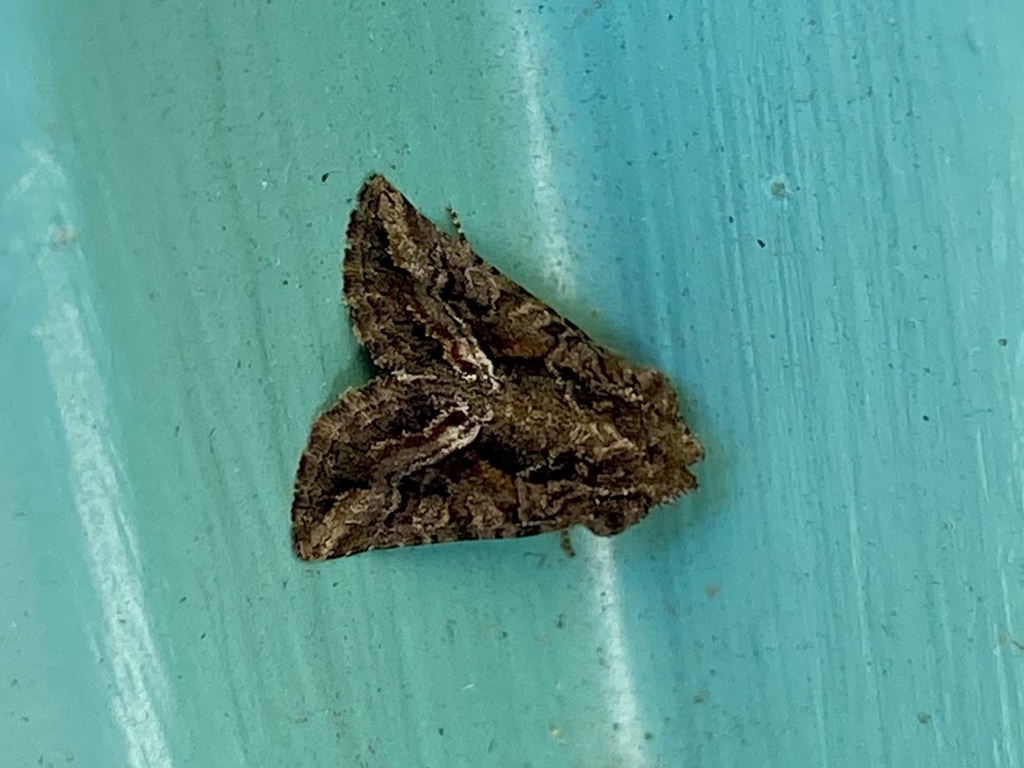
(c) CK2AZ, some rights reserved (CC BY) · licence
Family: Noctuidae · Class: Insecta · Order: Lepidoptera
Pseudanarta actura is a California animal in the Noctuidae family.
Pseudanarta actura is a moth species in the family Noctuidae, representing one of the lesser-documented members of California's lepidopteran fauna. Limited taxonomic and ecological information is available for this species, reflecting the broader challenge of documenting the state's diverse moth communities. Physical characteristics of P. actura remain poorly described in the scientific literature. As a member of the Noctuidae family, this species likely exhibits the typical noctuid body plan with a robust thorax, narrow forewings, and broad hindwings. The forewings probably display cryptic coloration patterns that provide camouflage during daytime roosting, a common adaptation among noctuids. Wing span measurements and detailed morphological descriptions require further research to establish standardized diagnostic features. The geographic distribution of Pseudanarta actura within California has not been comprehensively mapped. Noctuidae species in California typically show varying distribution patterns, from highly localized endemics to more broadly distributed taxa. Without documented occurrence records, the species' range within the state remains uncertain, though it may be restricted to specific biogeographic regions or habitat types that support its ecological requirements. Habitat preferences for P. actura are not well-established in current literature. Many noctuid moths are associated with particular plant communities or vegetation types that serve as larval host plants. The species may occupy specific elevational zones or microhabitats that correspond to the distribution of its required host plants, though these associations have not been documented. California's diverse ecosystems, ranging from coastal sage scrub to montane forests, could potentially support populations depending on the species' ecological niche requirements. Life history and behavioral characteristics of Pseudanarta actura require investigation. Noctuidae typically undergo complete metamorphosis with egg, larval, pupal, and adult stages. Flight periods likely occur during specific seasons, with adults potentially active during nighttime hours when most noctuids engage in mating and dispersal behaviors. Larval feeding habits, preferred host plants, and reproductive ecology remain undocumented, representing significant knowledge gaps for this species. The conservation status of Pseudanarta actura cannot be assessed without population data, distribution records, and threat evaluations. The species lacks federal or state conservation listings, though this may reflect insufficient data rather than stable population status. Many California moth species face potential threats from habitat loss, urbanization, climate change, and invasive species, but the specific vulnerabilities of P. actura remain unknown. Research priorities should include basic taxonomic verification, distribution surveys, host plant identification, and population status assessments to inform any necessary conservation planning. Until comprehensive studies are conducted, the conservation needs and population trends of this species cannot be adequately evaluated.
Classification
Class: Insecta · Order: Lepidoptera · Family: Noctuidae
Frequently asked questions
How is Pseudanarta actura classified?
Pseudanarta actura belongs to class Insecta, order Lepidoptera, family Noctuidae.
What family does Pseudanarta actura belong to?
Pseudanarta actura is in the Noctuidae family.
What is Pseudanarta actura?
Pseudanarta actura is a moth species in the family Noctuidae, representing one of the lesser-documented members of California's lepidopteran fauna.
Is Pseudanarta actura found in California?
Yes. Pseudanarta actura is recorded in California in The California Species Project's catalogue.
Related species
Other California species in the same genus, family, or bioregion.
Data from The California Species Project — 14,000+ California species with verified data from CNPS, CDFW, USFWS, and more.