Pseudogarypus orpheus
Music Hall Cave Pseudoscorpion
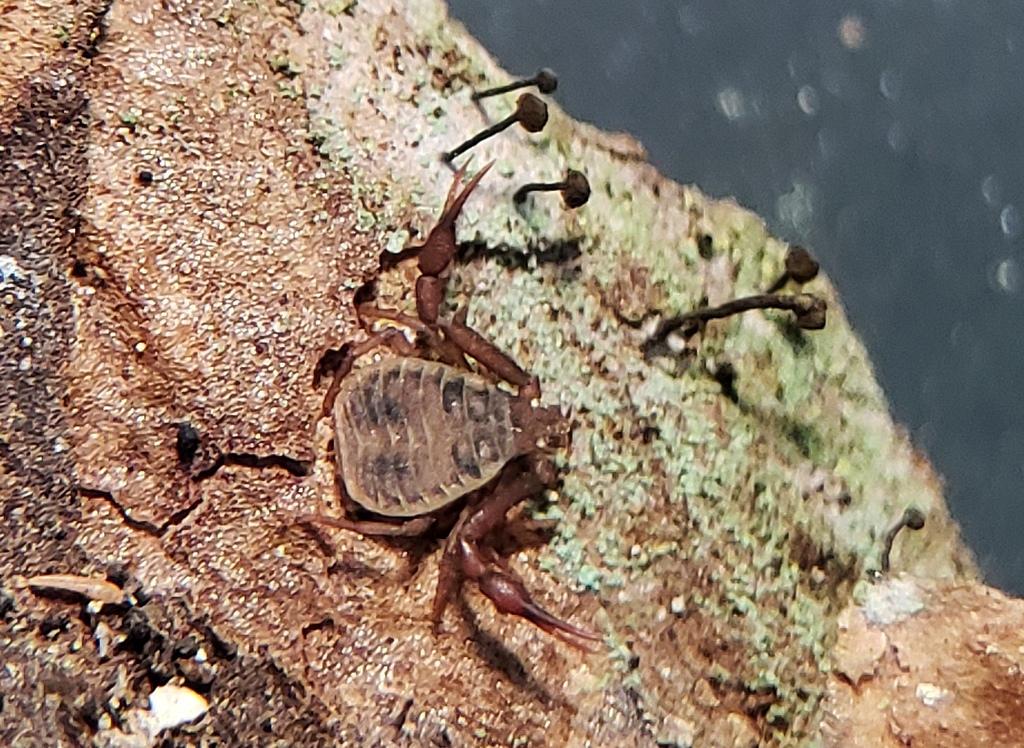
no rights reserved · CC0
Family: Pseudogarypidae · Class: Arachnida · Order: Pseudoscorpiones
Conservation status: G1 S1
Pseudogarypus orpheus (Music Hall Cave Pseudoscorpion) is a California animal in the Pseudogarypidae family.
The Music Hall Cave Pseudoscorpion (Pseudogarypus orpheus) is a small arachnid belonging to the order Pseudoscorpiones, characterized by its pincers resembling those of true scorpions but lacking a tail and stinger. As a member of the family Pseudogarypidae, this species represents one of the specialized cave-dwelling pseudoscorpions adapted to subterranean environments. Specific morphological details regarding size, coloration, and distinguishing features have not been well documented in the available scientific literature. This species is endemic to cave systems, though its precise geographic distribution remains poorly documented. The USFWS maintains taxonomic records for the species, indicating federal agency awareness of this cave obligate (FWS Taxonomic Tree). The species appears to be associated with limestone cave systems, though the exact cave or cave system from which it derives its common name has not been clearly established in accessible literature. As a cave obligate species, Pseudogarypus orpheus inhabits the dark zone of cave environments where external climate conditions have minimal direct influence. Cave obligate pseudoscorpions are typically found under debris or in small rock fissures within cave systems (NatureServe). These specialized habitats maintain relatively stable temperatures and humidity levels throughout the year, providing the consistent microclimate conditions required by obligate cave fauna. The cave environment offers protection from surface temperature fluctuations and seasonal variations. Like other pseudoscorpions, this species likely functions as a predator in the cave ecosystem, feeding on small invertebrates such as springtails, mites, and other tiny arthropods that inhabit cave environments. Pseudoscorpions use their pedipalps (pincers) to capture and subdue prey, injecting digestive enzymes before consuming liquefied tissues. Reproductive behavior and life cycle details specific to this species have not been documented, though cave-dwelling pseudoscorpions typically have extended development periods and reduced reproductive rates compared to surface-dwelling relatives. The conservation status of Pseudogarypus orpheus reflects the vulnerable nature of cave endemic species. The species carries a global rank of G1, indicating it is critically imperiled globally with typically five or fewer occurrences or very few remaining individuals. The state rank of S1 similarly indicates critical imperilment at the state level. Cave obligate species face particular conservation challenges due to their restricted distributions, specialized habitat requirements, and sensitivity to environmental disturbances. Threats to cave ecosystems include groundwater contamination, altered hydrology from surface development, recreational cave disturbance, and climate change effects on cave microclimates. Detailed ecological studies of this species are lacking, limiting comprehensive understanding of its biology, specific habitat requirements, and population status. The specialized nature of cave environments and the cryptic habits of pseudoscorpions contribute to the paucity of available biological information. Conservation efforts for cave obligate species typically focus on protecting entire cave systems and maintaining the hydrological processes that sustain cave environments.
Classification
Class: Arachnida · Order: Pseudoscorpiones · Family: Pseudogarypidae
Conservation status
G1 S1
Frequently asked questions
How is Pseudogarypus orpheus classified?
Pseudogarypus orpheus belongs to class Arachnida, order Pseudoscorpiones, family Pseudogarypidae.
What family does Pseudogarypus orpheus belong to?
Pseudogarypus orpheus is in the Pseudogarypidae family.
Is Pseudogarypus orpheus protected or of conservation concern?
Pseudogarypus orpheus carries the following status: G1 S1.
What is Pseudogarypus orpheus?
The Music Hall Cave Pseudoscorpion (Pseudogarypus orpheus) is a small arachnid belonging to the order Pseudoscorpiones, characterized by its pincers resembling those of true scorpions but lacking a tail and stinger.
Is Pseudogarypus orpheus found in California?
Yes. Pseudogarypus orpheus is recorded in California in The California Species Project's catalogue.
More California species
This species has no close relatives in our California data — here are other species to explore.
Data from The California Species Project — 14,000+ California species with verified data from CNPS, CDFW, USFWS, and more.