Psittacula krameri
Rose-ringed Parakeet
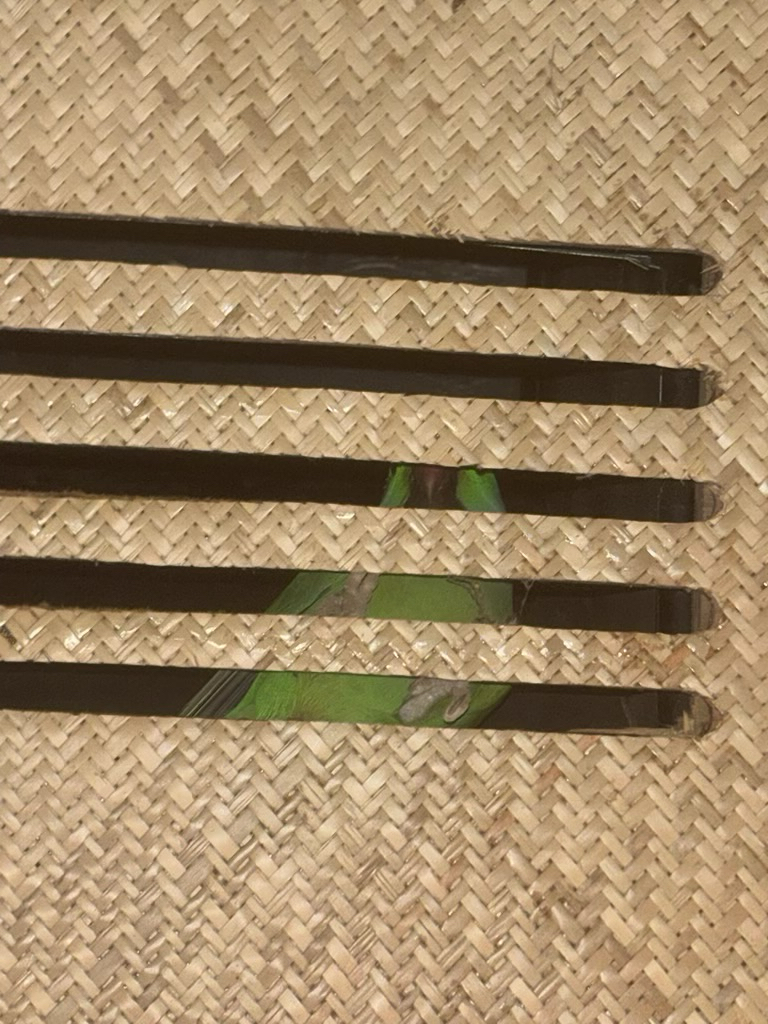
(c) Dani Alba, some rights reserved (CC BY) · licence
Family: Psittaculidae · Class: Aves · Order: Psittaciformes
Psittacula krameri (Rose-ringed Parakeet) is a California animal in the Psittaculidae family.
The Rose-ringed Parakeet is a medium-sized parrot measuring 38 to 42 cm (15 to 16.5 inches) in length, with approximately half of this length comprising the distinctive long, graduated tail. Adults weigh between 95 and 143 grams (3.4 to 5.0 ounces). The species exhibits sexual dimorphism in plumage. Males display bright green upperparts and wings with a yellowish-green wash on the underparts. A distinctive black stripe extends from the cere through the eye to the collar, which forms a complete pink-red ring around the neck. Females and juveniles lack the prominent neck ring and black facial stripe, appearing uniformly green with a slight blue tinge to the tail feathers. The bill is bright red in adults, while juveniles display orange-red coloration. Native to sub-Saharan Africa and the Indian subcontinent, the Rose-ringed Parakeet has established populations in numerous countries worldwide through introduction. In California, established populations occur primarily in urban and suburban areas of Los Angeles, Orange, Riverside, and San Bernardino counties. Smaller populations have been documented in the San Francisco Bay Area, Sacramento Valley, and San Diego County. The species was first recorded breeding in California in the 1970s, with populations expanding steadily since introduction through escaped or released captive birds. Rose-ringed Parakeets inhabit urban parks, residential areas with mature trees, agricultural regions, and woodland edges. The species demonstrates high adaptability to human-modified landscapes, thriving in areas with abundant fruiting trees and nesting cavities. They utilize a wide variety of tree species for roosting and nesting, including palms, eucalyptus, pine, and deciduous shade trees. Elevation preferences typically range from sea level to 500 meters (1,640 feet) in California populations. These parakeets are highly social, forming large communal roosts that may contain hundreds of individuals, particularly during winter months. Breeding occurs from February through June in California, with pairs nesting in tree cavities, building crevices, or nest boxes. Females lay 2 to 6 white eggs, with an average clutch size of 3 to 4 eggs. Incubation lasts 22 to 24 days, performed exclusively by females. The diet consists primarily of fruits, seeds, flowers, and nectar. Common food sources include figs, dates, citrus fruits, and seeds from various ornamental and native plants. Foraging occurs in flocks, often causing agricultural damage to fruit crops and ornamental plantings. The Rose-ringed Parakeet is not federally listed and lacks protection under California state wildlife regulations as a non-native species. Populations in California appear stable and continue expanding in suitable habitat. The species is classified as Least Concern globally by the International Union for Conservation of Nature due to its wide distribution and adaptability. However, established populations in California raise ecological concerns regarding potential competition with native cavity-nesting birds and agricultural impacts. Management efforts focus on monitoring population growth and assessing interactions with native species rather than active control measures.
Classification
Class: Aves · Order: Psittaciformes · Family: Psittaculidae
Frequently asked questions
How is Psittacula krameri classified?
Psittacula krameri belongs to class Aves, order Psittaciformes, family Psittaculidae.
What family does Psittacula krameri belong to?
Psittacula krameri is in the Psittaculidae family.
What is Psittacula krameri?
The Rose-ringed Parakeet is a medium-sized parrot measuring 38 to 42 cm (15 to 16.5 inches) in length, with approximately half of this length comprising the distinctive long, graduated tail.
Is Psittacula krameri found in California?
Yes. Psittacula krameri is recorded in California in The California Species Project's catalogue.
Related species
Other California species in the same genus, family, or bioregion.
Data from The California Species Project — 14,000+ California species with verified data from CNPS, CDFW, USFWS, and more.