Pterostichus johnsoni
Johnson’s waterfall carabid beetle
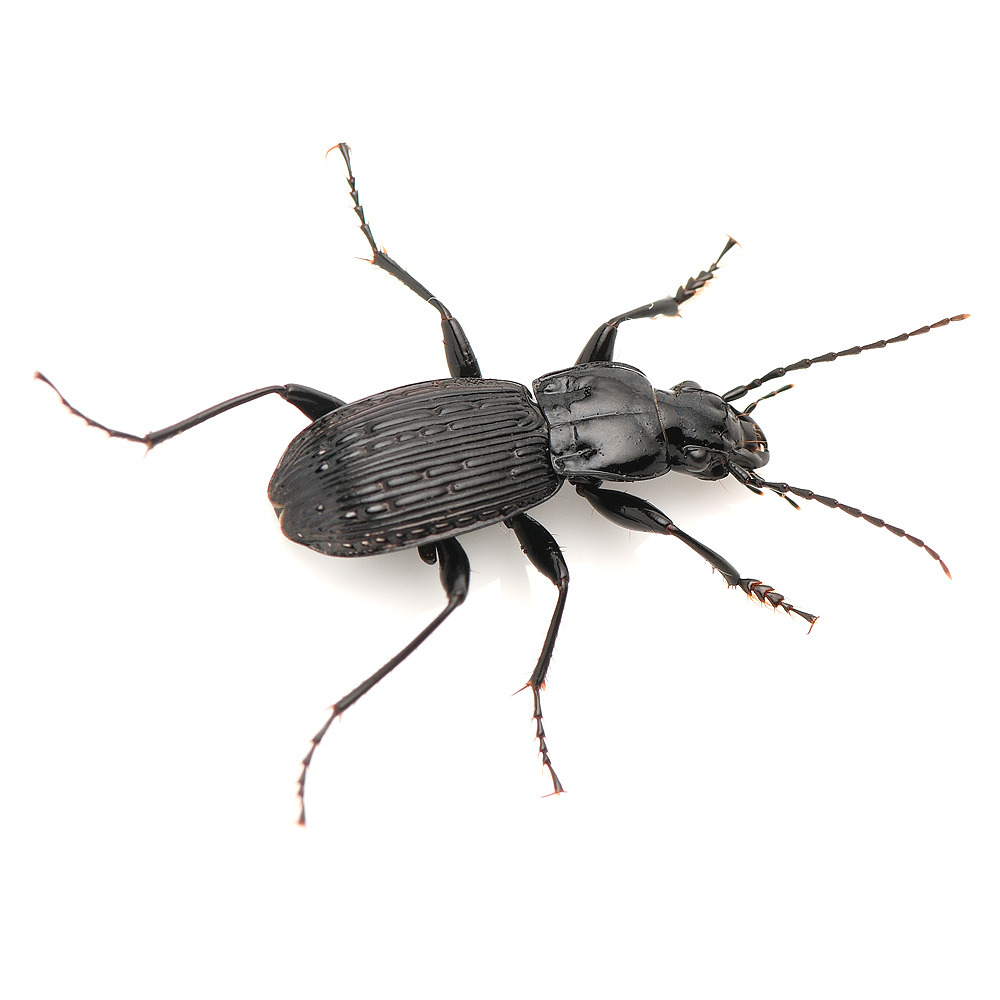
(c) Koji Shiraiwa, some rights reserved (CC BY) · licence
Family: Carabidae · Class: Insecta · Order: Coleoptera
Pterostichus johnsoni (Johnson’s waterfall carabid beetle) is a California animal in the Carabidae family.
Johnson's waterfall carabid beetle (Pterostichus johnsoni) is a flightless ground beetle in the family Carabidae, subfamily Harpalinae. This species belongs to the genus Orsonjohnsonus, reflecting recent taxonomic revisions within the Pterostichus complex. As a carabid beetle, it likely measures 8-15 millimeters in length with the characteristic elongated body form and prominent mandibles typical of ground beetles, though specific morphological descriptions remain limited in the scientific literature. The species ranges from northern Washington to central Oregon, occurring primarily in the Cascade Range and associated mountain systems. According to the Xerces Society, it occurs on the Washington side of the Columbia River Gorge, although records near the Columbia River itself are sparse and the distribution in this area remains poorly documented. In Oregon, the species is known south to at least the North Fork Santiam River, with one notable record from Piper's Rock Creek representing one of the few documented occurrences south of this drainage. The species likely occurs in suitable habitat throughout the mountains between the North Fork Santiam and McKenzie River systems, though comprehensive surveys are lacking. Pterostichus johnsoni inhabits the gravelly margins of small-to-mid-sized, densely shaded, coldwater mountain streams. The species requires intact riparian forest canopy and specific substrate conditions along streambanks. It is typically found in shaded positions along forest streams rather than in open or exposed areas. The species appears to be closely associated with the temperature and moisture regimes maintained by dense forest cover, making it particularly sensitive to habitat modifications that alter these microclimatic conditions. As a carabid beetle, P. johnsoni is likely a generalist predator feeding on small invertebrates, though specific dietary information has not been documented. Its flightless condition suggests limited dispersal ability between suitable stream segments, making populations particularly vulnerable to habitat fragmentation. The species' life cycle and reproductive biology remain poorly studied, though most carabid beetles undergo complete metamorphosis with larvae developing in soil or organic debris. While not federally listed, Johnson's waterfall carabid beetle faces significant conservation challenges. Populations are at risk of local extirpation when forest streams lack adequate buffers from logging operations. Stand- or watershed-level clear cuts and extensive road-building activities can significantly disrupt stream hydrographs and streamside habitats even when buffers are maintained. According to the Xerces Society, over-collecting may threaten some populations, particularly along easily accessible creeks on the Oregon side of the Columbia River Gorge where published collection sites make populations vulnerable to excessive collecting pressure. Effective conservation requires riparian habitat protection, including maintenance of water quality, substrate conditions, and canopy cover. The species' limited dispersal ability and specific habitat requirements make it an indicator species for healthy montane stream ecosystems throughout the Pacific Northwest.
Classification
Class: Insecta · Order: Coleoptera · Family: Carabidae
Frequently asked questions
How is Pterostichus johnsoni classified?
Pterostichus johnsoni belongs to class Insecta, order Coleoptera, family Carabidae.
What family does Pterostichus johnsoni belong to?
Pterostichus johnsoni is in the Carabidae family.
What is Pterostichus johnsoni?
Johnson's waterfall carabid beetle (Pterostichus johnsoni) is a flightless ground beetle in the family Carabidae, subfamily Harpalinae.
Is Pterostichus johnsoni found in California?
Yes. Pterostichus johnsoni is recorded in California in The California Species Project's catalogue.
Related species
Other California species in the same genus, family, or bioregion.
Data from The California Species Project — 14,000+ California species with verified data from CNPS, CDFW, USFWS, and more.