Pterotaea albescens
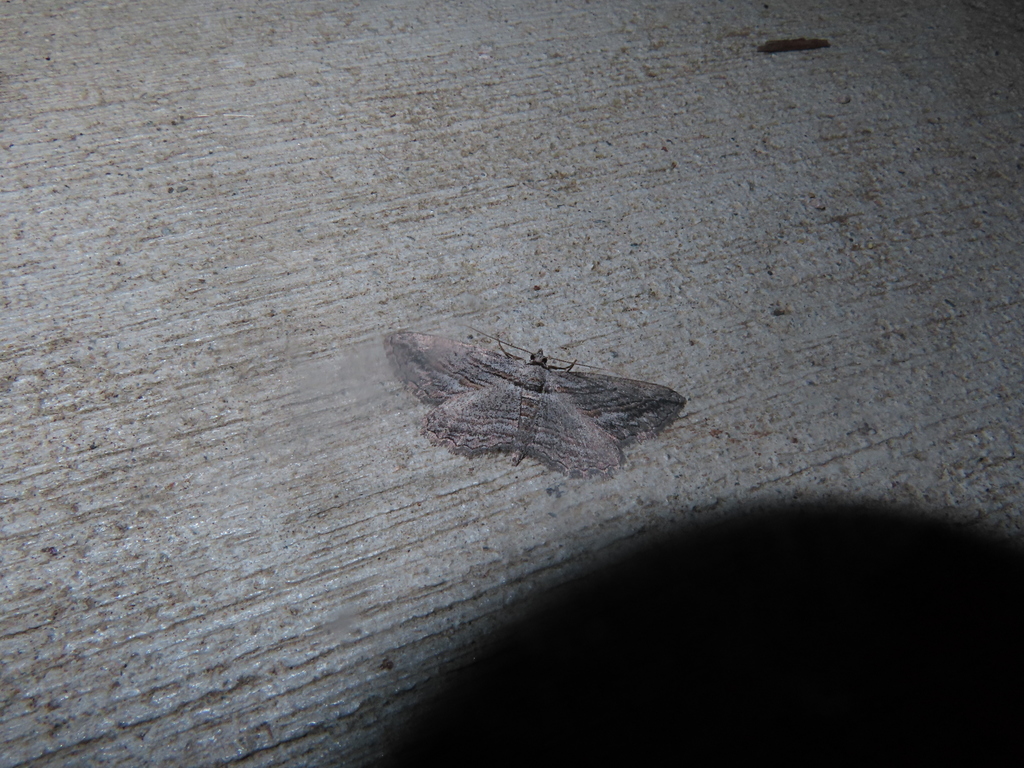
(c) Hawk T., some rights reserved (CC BY) · licence
Family: Geometridae · Class: Insecta · Order: Lepidoptera
Pterotaea albescens is a California animal in the Geometridae family.
Pterotaea albescens is a moth species belonging to the family Geometridae, commonly known as the geometer moths or inchworm moths. This species is part of a large family characterized by their typical resting posture with wings spread horizontally and their larvae's distinctive looping locomotion. The physical characteristics of P. albescens, like many geometrid moths, likely include the family's typical slender build and broad wings. Geometridae moths generally have relatively thin bodies compared to their wingspan, with wings that are held outstretched when at rest. The species name 'albescens' suggests pale or whitish coloration, though specific morphological details for this particular species are not well-documented in readily available literature. The geographic range and distribution of Pterotaea albescens within California requires further documentation. Many geometrid moths have restricted ranges tied to specific host plant distributions and elevation zones. Without comprehensive survey data, the precise counties and habitat zones where this species occurs remain unclear. Habitat requirements for P. albescens are not well-established in current literature. Geometridae moths typically occupy diverse habitats ranging from coastal areas to montane forests, with many species showing strong associations with particular vegetation types. The larvae of geometrid moths are generally herbivorous, feeding on leaves of woody plants, and adult habitat use often correlates with larval host plant distribution. The behavioral ecology and life history of P. albescens follows the general Geometridae pattern, with larvae likely developing through five instars before pupating. Adult moths are typically nocturnal and attracted to artificial lights. Mating behavior usually involves female release of pheromones to attract males. Flight periods vary among geometrid species but often correspond with host plant phenology and favorable environmental conditions. The conservation status of Pterotaea albescens is not currently established through federal or state listing processes. No specific population data, threat assessments, or conservation measures have been documented for this species in accessible databases. This lack of information reflects a broader challenge in lepidopteran conservation, where many species remain understudied despite potential vulnerability to habitat loss, climate change, and other anthropogenic factors. The limited available information about P. albescens highlights the need for comprehensive surveys and taxonomic research of California's moth fauna. Many geometrid species may face conservation challenges due to habitat fragmentation, pesticide use, light pollution, and climate-driven shifts in plant communities, but without baseline data, population trends and conservation needs cannot be adequately assessed. Further research is needed to document the distribution, ecology, and conservation status of this and many other poorly-known moth species in California.
Classification
Class: Insecta · Order: Lepidoptera · Family: Geometridae
Frequently asked questions
How is Pterotaea albescens classified?
Pterotaea albescens belongs to class Insecta, order Lepidoptera, family Geometridae.
What family does Pterotaea albescens belong to?
Pterotaea albescens is in the Geometridae family.
What is Pterotaea albescens?
Pterotaea albescens is a moth species belonging to the family Geometridae, commonly known as the geometer moths or inchworm moths.
Is Pterotaea albescens found in California?
Yes. Pterotaea albescens is recorded in California in The California Species Project's catalogue.
Related species
Other California species in the same genus, family, or bioregion.
Data from The California Species Project — 14,000+ California species with verified data from CNPS, CDFW, USFWS, and more.