Pterotaea lamiaria
Lamiaria Gray Moth
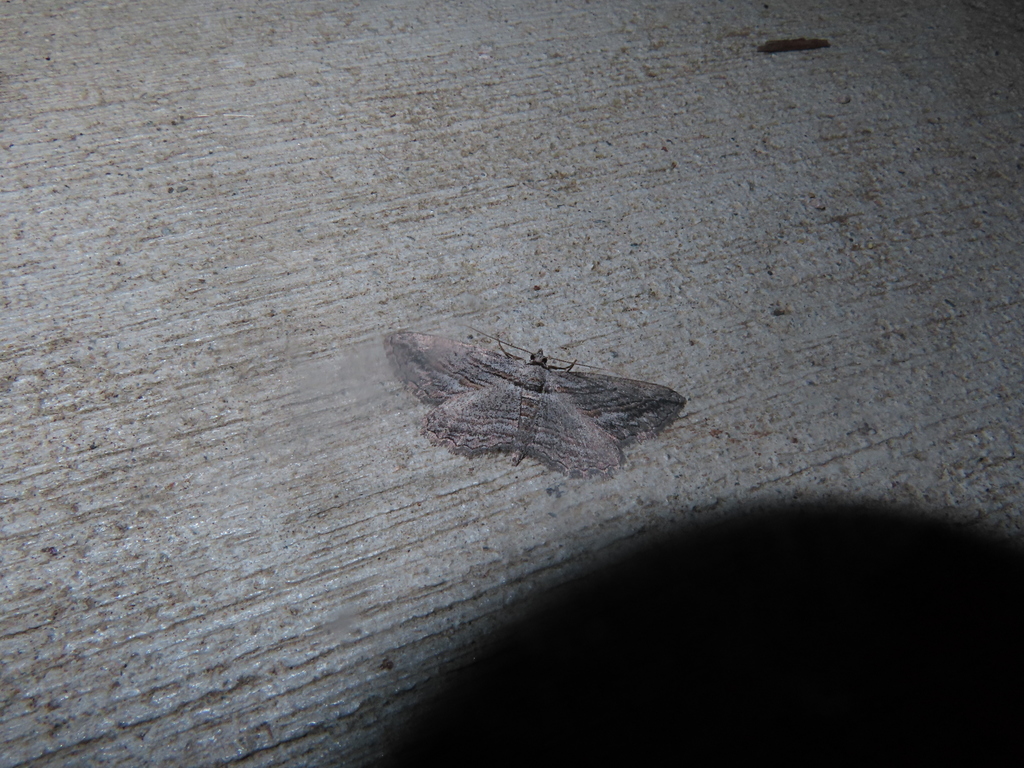
(c) Hawk T., some rights reserved (CC BY) · licence
Family: Geometridae · Class: Insecta · Order: Lepidoptera
Pterotaea lamiaria (Lamiaria Gray Moth) is a California animal in the Geometridae family.
Pterotaea lamiaria is a moth species in the family Geometridae, commonly known as the Lamiaria Gray Moth. This species belongs to the large family of geometrid moths, which are characterized by their distinctive wing patterns and flight behaviors. The specific morphological characteristics of P. lamiaria, including size, coloration, and wing patterns, have not been extensively documented in readily available scientific literature. The species occurs in California and northern Baja California, Mexico, representing a relatively restricted Pacific coast distribution. Within California, the specific counties and elevational range of P. lamiaria have not been comprehensively documented in current literature. This limited geographic range suggests the species may have specialized habitat requirements or may be naturally uncommon within its distribution area. Habitat preferences for P. lamiaria remain poorly documented in available scientific sources. Like many geometrid moths, the species likely utilizes specific host plants during its larval stage, though the identity of these plants has not been established through published research. The timing of adult flight periods, preferred microhabitats, and elevation ranges within California require further field study and documentation. The life cycle and ecological behavior of P. lamiaria have not been thoroughly studied or reported in accessible scientific literature. Geometridae larvae are typically leaf-feeding caterpillars that may specialize on particular plant families or genera. Adult moths in this family are generally nocturnal and attracted to artificial lights. Specific information regarding breeding behavior, seasonal activity patterns, larval host plants, and adult feeding preferences for P. lamiaria remains undocumented in current sources. The conservation status of P. lamiaria has not been formally evaluated by state or federal agencies. The species does not appear on California Department of Fish and Wildlife special status species lists, nor is it federally listed under the Endangered Species Act as of December 2025. However, the limited geographic range spanning California and northern Baja California may make the species vulnerable to habitat loss or environmental changes. Coastal and near-coastal areas of California have experienced significant development pressure and habitat modification, which could potentially affect moth populations that depend on native plant communities. Scientific documentation for P. lamiaria remains extremely limited despite thorough searches of available databases and literature. The taxonomic validity, detailed morphological description, ecological requirements, and conservation needs of this species require additional research and field studies. This knowledge gap is not uncommon for many geometrid moth species, particularly those with restricted distributions or those that may be confused with closely related taxa. Enhanced survey efforts and taxonomic research would contribute significantly to understanding this species' biology and conservation requirements within its California range.
Classification
Class: Insecta · Order: Lepidoptera · Family: Geometridae
Frequently asked questions
How is Pterotaea lamiaria classified?
Pterotaea lamiaria belongs to class Insecta, order Lepidoptera, family Geometridae.
What family does Pterotaea lamiaria belong to?
Pterotaea lamiaria is in the Geometridae family.
What is Pterotaea lamiaria?
Pterotaea lamiaria is a moth species in the family Geometridae, commonly known as the Lamiaria Gray Moth.
Is Pterotaea lamiaria found in California?
Yes. Pterotaea lamiaria is recorded in California in The California Species Project's catalogue.
Related species
Other California species in the same genus, family, or bioregion.
Data from The California Species Project — 14,000+ California species with verified data from CNPS, CDFW, USFWS, and more.