Ptilothrix bombiformis
Hibiscus Turret Bee
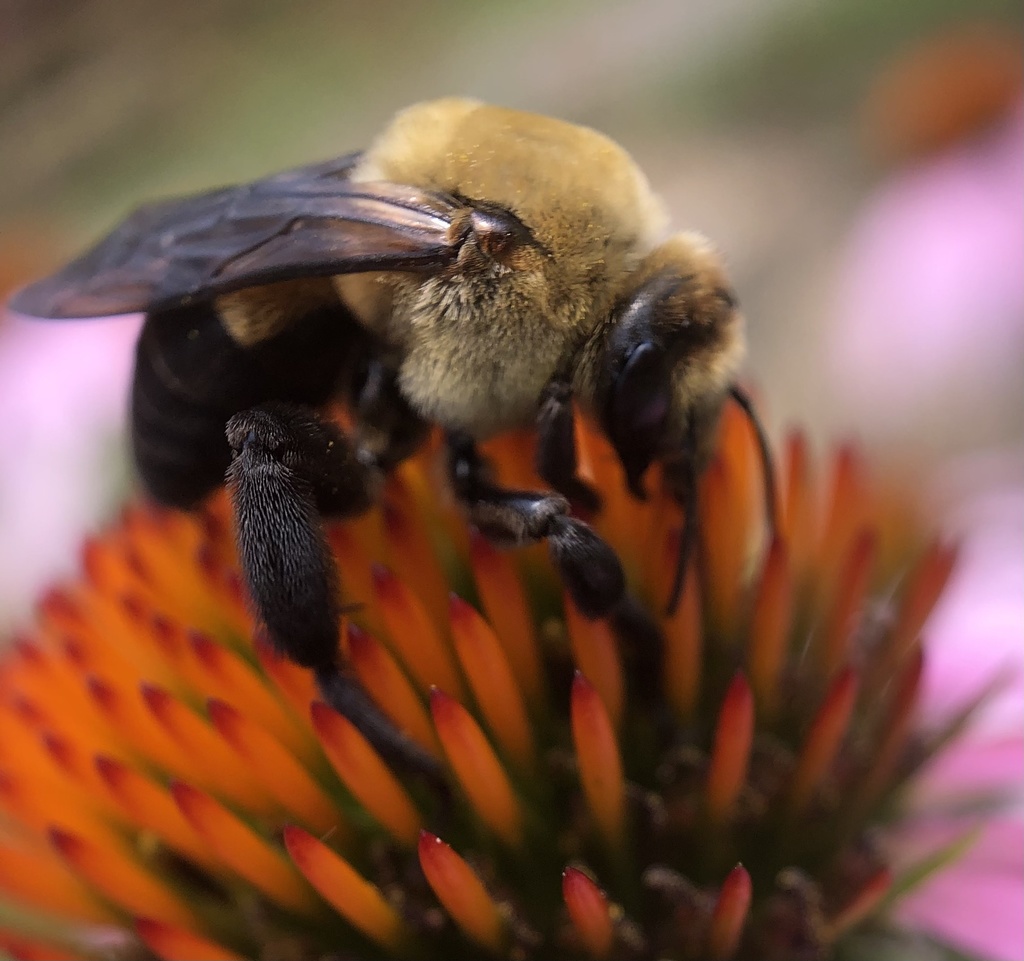
(c) James Kindt, some rights reserved (CC BY) · licence
Family: Apidae · Class: Insecta · Order: Hymenoptera
Ptilothrix bombiformis (Hibiscus Turret Bee) is a California animal in the Apidae family.
The Hibiscus Turret Bee is a solitary bee species native to the eastern United States, belonging to the family Apidae. This specialist pollinator is distinguished by its exclusive relationship with plants in the Malvaceae family, particularly hibiscus species. Adult bees are robust and densely covered in branched hairs that facilitate pollen collection from their host plants. Ptilothrix bombiformis occurs throughout the eastern United States, with documented populations extending from the southeastern states northward through the Mid-Atlantic region. The species has been recorded in Arkansas, where it is listed as a Species of Greatest Conservation Need (SGCN), Florida, Pennsylvania, Texas, and Virginia (Arkansas CWCS 2006; Xerces Society). In Texas, the species has been specifically documented as a pollinator of the federally endangered Neches River rose-mallow (Hibiscus dasycalyx) within the Neches, Sabine, and Angelina River floodplains. This bee inhabits wetland margins, floodplains, and areas supporting native hibiscus populations. In Texas, P. bombiformis occurs in hydric alluvial soils of depressional sloughs, oxbows, terraces, side channels, and sand bars within river systems. The species requires open canopy wetland habitats with direct sunlight exposure, typical of the East Texas Pineywoods ecoregion. These environments feature intermittent or perennial wetlands with sandy loam or alluvial soils that support robust hibiscus populations. As an oligolectic bee, P. bombiformis demonstrates extreme host plant specialization, collecting pollen exclusively from Malvaceae family plants. Primary host plants include eastern rose-mallow (Hibiscus moscheutos), Neches River rose-mallow (H. dasycalyx), and other native hibiscus species (Xerces Society). The species is also referred to as the "rosemallow bee" or "okra bee," reflecting its specialization on malvaceous plants. Adults are active during hibiscus flowering periods, typically from June through August, synchronizing their emergence with peak bloom times of their host plants. The conservation status of P. bombiformis reflects broader concerns about specialist pollinators. The species faces threats common to native bees, including habitat loss, degradation, and fragmentation of wetland environments. Agricultural conversion, urban development, and altered hydrology of river systems pose particular risks to populations. In Arkansas, the species' inclusion on the SGCN list indicates either rarity, population decline, or insufficient data to determine conservation status. The species' dependence on native hibiscus populations makes it vulnerable to invasive plant species that compete with or displace native Malvaceae. Climate change may further impact the species through altered precipitation patterns affecting wetland hydrology and hibiscus flowering phenology. Conservation efforts focusing on wetland preservation and native plant restoration in river floodplains are essential for maintaining viable populations of this specialist pollinator.
Classification
Class: Insecta · Order: Hymenoptera · Family: Apidae
Frequently asked questions
How is Ptilothrix bombiformis classified?
Ptilothrix bombiformis belongs to class Insecta, order Hymenoptera, family Apidae.
What family does Ptilothrix bombiformis belong to?
Ptilothrix bombiformis is in the Apidae family.
What is Ptilothrix bombiformis?
The Hibiscus Turret Bee is a solitary bee species native to the eastern United States, belonging to the family Apidae.
Is Ptilothrix bombiformis found in California?
Yes. Ptilothrix bombiformis is recorded in California in The California Species Project's catalogue.
Related species
Other California species in the same genus, family, or bioregion.
Data from The California Species Project — 14,000+ California species with verified data from CNPS, CDFW, USFWS, and more.