Pyrausta fodinalis
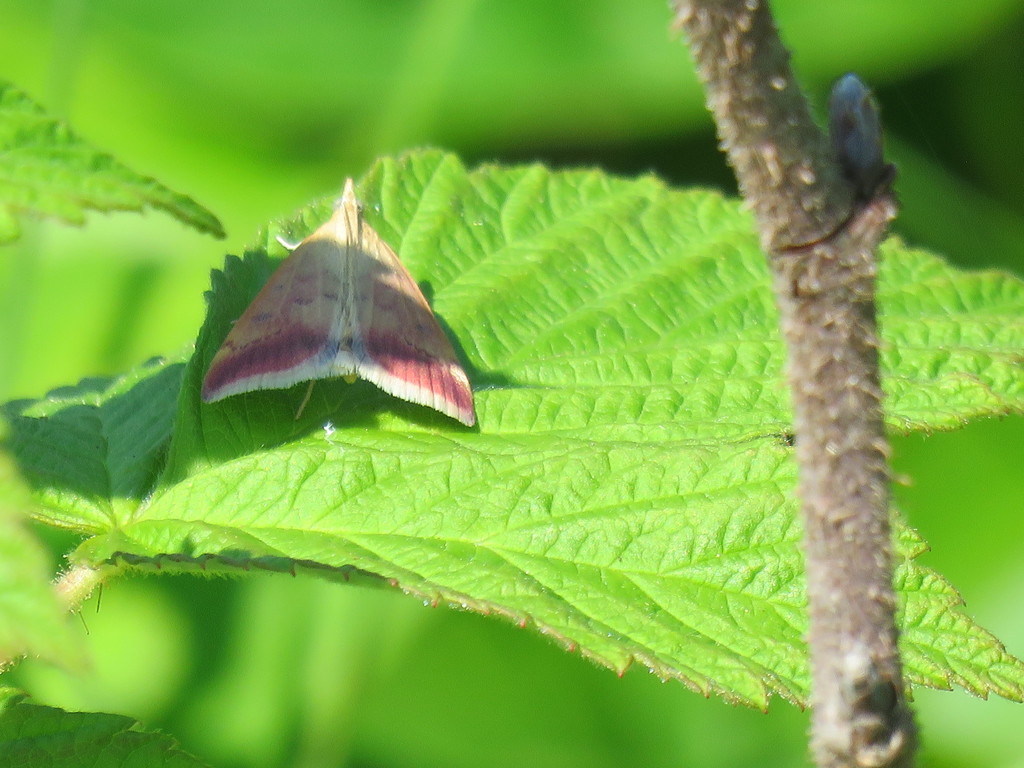
no rights reserved · CC0
Family: Crambidae · Class: Insecta · Order: Lepidoptera
Pyrausta fodinalis is a California animal in the Crambidae family.
Pyrausta fodinalis is a small moth in the family Crambidae, commonly known as grass moths or snout moths. This species belongs to the genus Pyrausta, which comprises numerous small moths distinguished by their compact body structure and relatively narrow forewings. The moth displays typical crambid characteristics with a wingspan ranging from approximately 15 to 20 millimeters (0.6 to 0.8 inches), though precise measurements for this species have not been well documented in the literature. Pyrausta fodinalis occurs across western North America, with documented populations extending from California through the Pacific Northwest into Canada. In California, the species has been recorded from multiple counties including Sierra County, where specimens were collected at SFSU Camp west of Yuba Pass at elevations around 1,500 meters (4,900 feet) (News of the Lepidopterists' Society 2005). The subspecies P. f. monticola has been specifically documented from montane regions of the Sierra Nevada, indicating potential subspecific variation across the species' range. The species inhabits diverse terrestrial environments ranging from lower elevation valleys to montane forests. Records suggest the moth occurs in areas with mixed vegetation, including grasslands, chaparral, and forest edges. Collection data indicates the species can be found at elevations ranging from near sea level to at least 1,500 meters in mountainous terrain. Habitat preferences appear to include areas with abundant herbaceous vegetation, which likely supports larval host plants. Adult Pyrausta fodinalis exhibits diurnal flight behavior, being active during daylight hours rather than the nocturnal habits typical of many moth species (News of the Lepidopterists' Society 1999). This day-flying behavior distinguishes it from many related crambids and may relate to specific ecological adaptations or mating strategies. Flight periods appear to extend from late spring through summer, with collection records spanning from April through July in California. The larval stage likely feeds on herbaceous plants, following the typical pattern of Pyrausta species, though specific host plant relationships have not been definitively documented. The conservation status of Pyrausta fodinalis has not been formally assessed at federal or state levels. The species is listed as a Species of Greatest Conservation Need in New York State's Wildlife Action Plan, suggesting potential conservation concerns in parts of its range (BugGuide 2016). However, specific population trends, threats, or conservation needs in California remain undocumented. The moth's apparent preference for natural habitats and its limited documentation in recent surveys may indicate sensitivity to habitat modification, though comprehensive population assessments have not been conducted. Scientific documentation for this species remains limited despite its relatively wide distribution. Additional research is needed to clarify subspecific taxonomy, define habitat requirements more precisely, and assess population status throughout its California range. Field observations and voucher specimens would contribute valuable data for future conservation planning and ecological understanding of this day-flying moth.
Classification
Class: Insecta · Order: Lepidoptera · Family: Crambidae
Frequently asked questions
How is Pyrausta fodinalis classified?
Pyrausta fodinalis belongs to class Insecta, order Lepidoptera, family Crambidae.
What family does Pyrausta fodinalis belong to?
Pyrausta fodinalis is in the Crambidae family.
What is Pyrausta fodinalis?
Pyrausta fodinalis is a small moth in the family Crambidae, commonly known as grass moths or snout moths.
Is Pyrausta fodinalis found in California?
Yes. Pyrausta fodinalis is recorded in California in The California Species Project's catalogue.
Related species
Other California species in the same genus, family, or bioregion.
Data from The California Species Project — 14,000+ California species with verified data from CNPS, CDFW, USFWS, and more.