Pyrausta plagalis
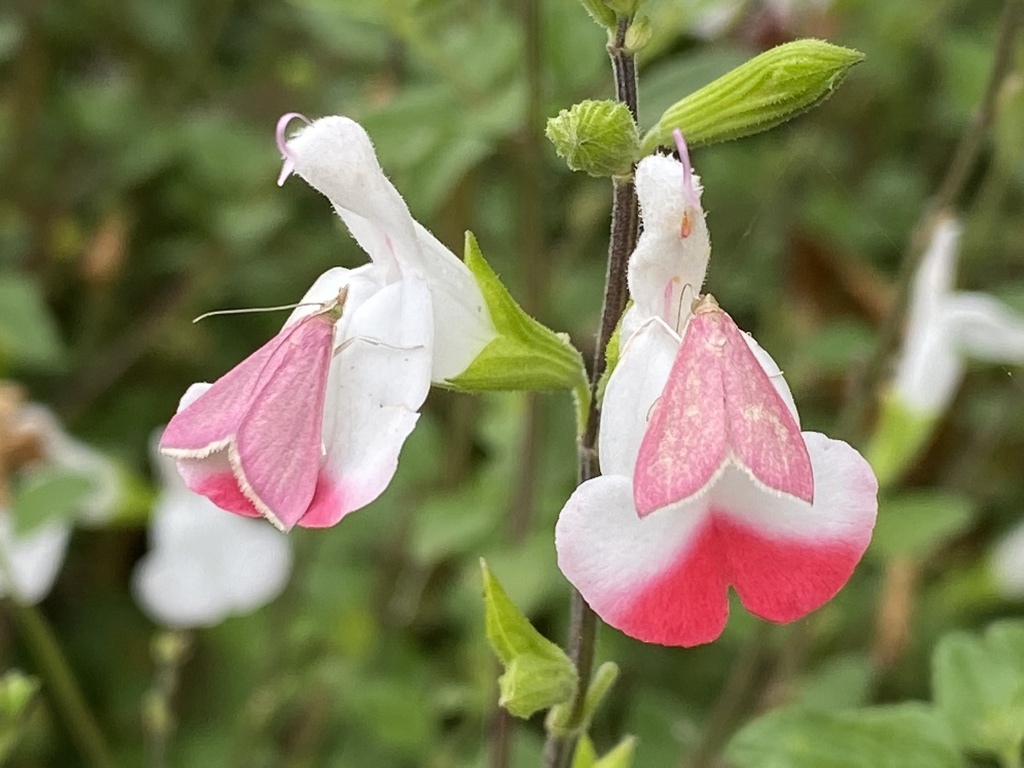
(c) Jennifer Arrow, some rights reserved (CC BY) · licence
Family: Crambidae · Class: Insecta · Order: Lepidoptera
Pyrausta plagalis is a California animal in the Crambidae family.
Pyrausta plagalis is a small moth in the family Crambidae, commonly known as grass moths or snout moths. This species belongs to the genus Pyrausta, which comprises numerous small moths distributed across North America. Adults typically measure 12 to 18 mm in wingspan, displaying the characteristic features of the Pyrausta genus including narrow forewings and relatively broad hindwings. The forewings of P. plagalis are typically brownish-gray to tan in coloration with subtle darker markings and pale yellow or cream-colored patches. The hindwings are generally lighter, ranging from pale gray to whitish. Like other Pyrausta species, adults have prominent labial palps that extend forward from the head, giving the family its common name of snout moths. The antennae are thread-like and the legs are relatively long and slender. Pyrausta plagalis occurs in western North America, with documented populations in California, Oregon, and Washington. The species' distribution appears to be associated with areas supporting appropriate host plants and suitable habitat conditions. Within California, the species has been recorded from various locations, though detailed distribution data remains limited due to the challenges of identifying small moths in the field. The species inhabits areas with herbaceous vegetation, particularly meadows, grasslands, and open woodlands where host plants occur. Adults are typically found at elevations ranging from sea level to moderate mountain elevations, though specific elevation limits for this species have not been comprehensively documented. The moths are attracted to artificial lights and can be collected using standard lepidopteran sampling methods including light traps and blacklight sheets. Like other members of the genus Pyrausta, adults are primarily nocturnal and most active during warm evenings. The species likely has one or two generations per year, depending on local climate conditions and elevation. Larvae are believed to feed on herbaceous plants, though specific host plant relationships for P. plagalis have not been thoroughly studied. Many Pyrausta species utilize plants in the families Asteraceae, Lamiaceae, and other herbaceous groups. Adult flight periods typically occur during late spring through early fall, with peak activity varying by location and elevation. The reproductive biology follows the typical pattern for Crambidae moths, with females depositing eggs on or near larval host plants. Larvae likely overwinter in the final instar stage, pupating in spring before adult emergence. Males may use pheromones to locate females, as is common in this moth family. The conservation status of Pyrausta plagalis has not been formally assessed at federal or state levels. Like many small moth species, population trends and conservation needs remain poorly understood due to limited survey data and taxonomic challenges. The species does not appear on any federal or California state lists of threatened or endangered species as of December 2025. Potential threats may include habitat modification, pesticide use, and climate change impacts on host plant communities, though specific threats to this species have not been documented.
Classification
Class: Insecta · Order: Lepidoptera · Family: Crambidae
Frequently asked questions
How is Pyrausta plagalis classified?
Pyrausta plagalis belongs to class Insecta, order Lepidoptera, family Crambidae.
What family does Pyrausta plagalis belong to?
Pyrausta plagalis is in the Crambidae family.
What is Pyrausta plagalis?
Pyrausta plagalis is a small moth in the family Crambidae, commonly known as grass moths or snout moths.
Is Pyrausta plagalis found in California?
Yes. Pyrausta plagalis is recorded in California in The California Species Project's catalogue.
Related species
Other California species in the same genus, family, or bioregion.
Data from The California Species Project — 14,000+ California species with verified data from CNPS, CDFW, USFWS, and more.