Pyrausta pseudonythesalis
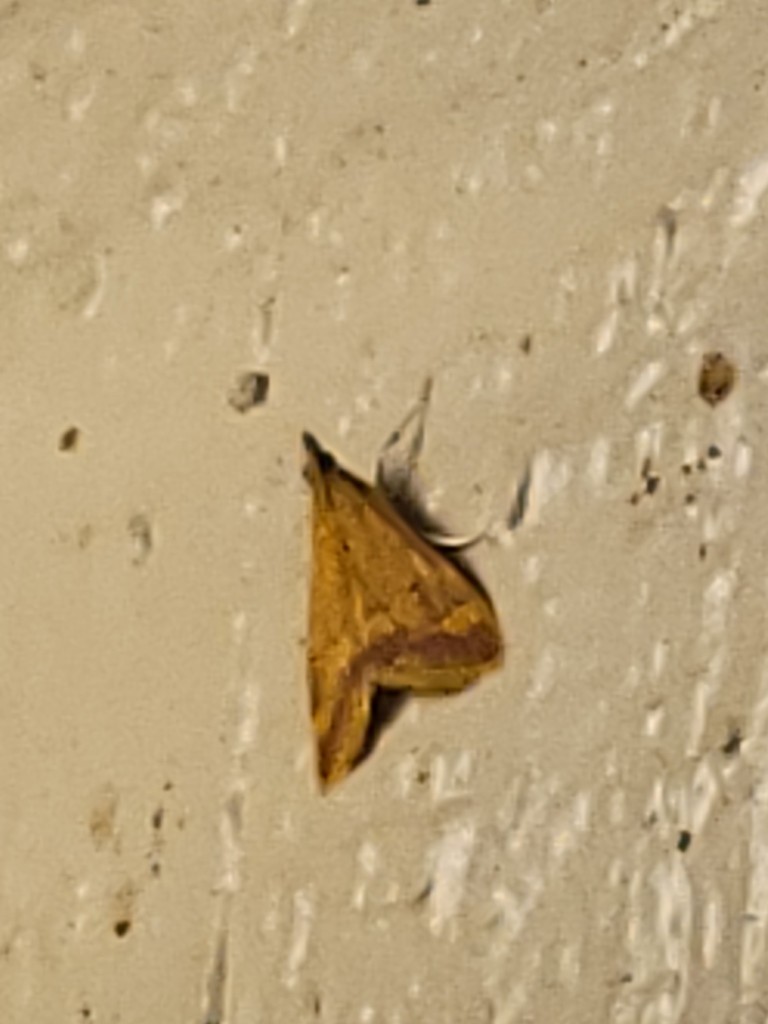
(c) johnyochum, some rights reserved (CC BY) · licence
Family: Crambidae · Class: Insecta · Order: Lepidoptera
Pyrausta pseudonythesalis is a California animal in the Crambidae family.
Pyrausta pseudonythesalis is a small moth in the family Crambidae, commonly known as grass moths or snout moths. This species belongs to the genus Pyrausta, which contains numerous small moths distributed across North America. Adult moths typically measure 12-18 mm in wingspan, with forewings displaying variable brown and tan coloration patterns. The forewings often show darker brown markings and pale lines, while the hindwings are generally lighter with reduced markings. Like other Pyrausta species, the labial palps are prominent and project forward from the head. The range and distribution of P. pseudonythesalis appears to be poorly documented in available literature. The species name suggests it may have been historically confused with P. nythesalis, indicating potential taxonomic complexity within this group. Many Pyrausta species have limited geographic ranges, often restricted to specific regions of western North America. Habitat requirements for this species remain largely unknown, though most Pyrausta moths are associated with open grasslands, meadows, and areas with abundant herbaceous vegetation. Many species in this genus prefer areas with moderate moisture levels and are often found in riparian zones or mountain meadows. Elevation preferences have not been documented for this particular species. The larval host plants for P. pseudonythesalis have not been definitively established in available sources. Other Pyrausta species typically feed on various herbaceous plants, including members of the families Asteraceae, Lamiaceae, and Apiaceae. Larvae generally bore into stems or feed within flower heads of their host plants. Adult flight periods are unknown for this species, though most temperate Pyrausta species are active during summer months. Males are typically attracted to lights and may be active during both day and evening hours. The conservation status of Pyrausta pseudonythesalis is not established, as the species lacks formal state or federal protection status. The limited available information suggests this may be either a rare species with a restricted range or a poorly studied taxon that requires further research to clarify its distribution and ecological requirements. Many small moth species face potential threats from habitat loss due to agricultural conversion, urban development, and changes in land management practices. Without baseline population data or clear habitat requirements, it is difficult to assess conservation needs for this species. Further taxonomic research may be needed to confirm the validity of this species and distinguish it from closely related taxa. The apparent lack of recent collection records or ecological studies indicates this species may benefit from targeted surveys to establish its current status and distribution within California.
Classification
Class: Insecta · Order: Lepidoptera · Family: Crambidae
Frequently asked questions
How is Pyrausta pseudonythesalis classified?
Pyrausta pseudonythesalis belongs to class Insecta, order Lepidoptera, family Crambidae.
What family does Pyrausta pseudonythesalis belong to?
Pyrausta pseudonythesalis is in the Crambidae family.
What is Pyrausta pseudonythesalis?
Pyrausta pseudonythesalis is a small moth in the family Crambidae, commonly known as grass moths or snout moths.
Is Pyrausta pseudonythesalis found in California?
Yes. Pyrausta pseudonythesalis is recorded in California in The California Species Project's catalogue.
Related species
Other California species in the same genus, family, or bioregion.
Data from The California Species Project — 14,000+ California species with verified data from CNPS, CDFW, USFWS, and more.