Pyrgulopsis eremica
Smoke Creek Pyrg
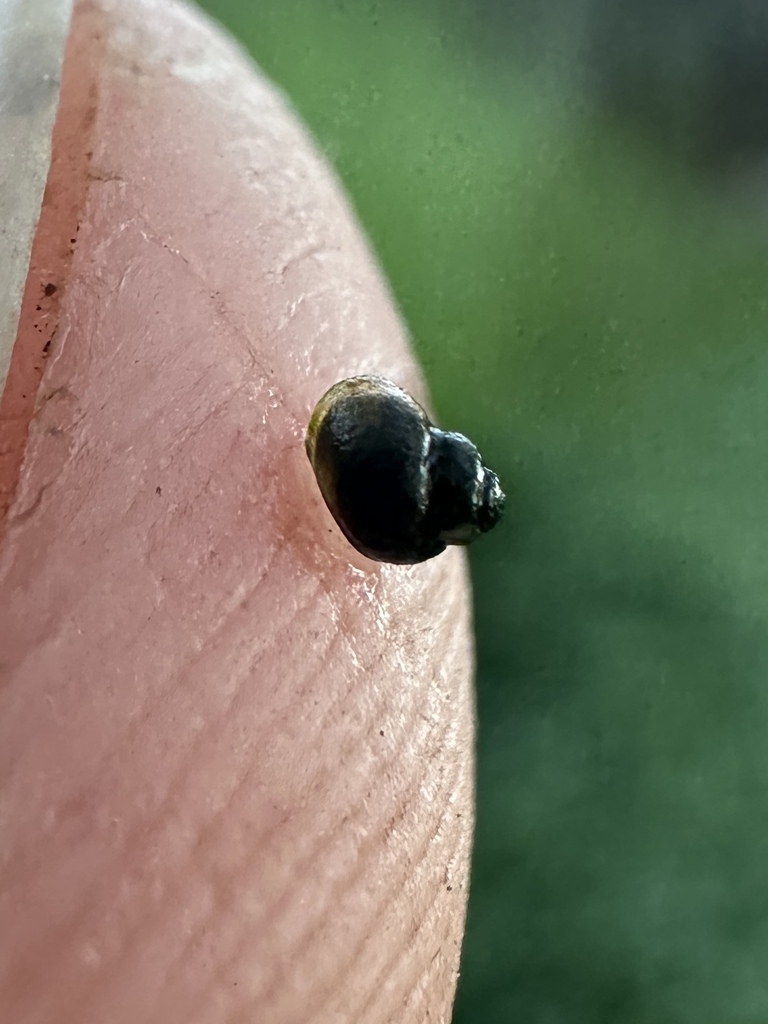
(c) Matt Berger, some rights reserved (CC BY) · licence
Family: Hydrobiidae · Class: Gastropoda · Order: Littorinimorpha
Conservation status: G2 S2
Pyrgulopsis eremica (Smoke Creek Pyrg) is a California animal in the Hydrobiidae family.
Pyrgulopsis eremica, commonly known as the Smoke Creek Pyrg, is a small freshwater gastropod mollusk endemic to the Great Basin region of the western United States. This minute springsnail typically measures 2-4 millimeters in shell length, with a conical to elongate-conic shell shape characteristic of the genus Pyrgulopsis. The shell is translucent to light brown in coloration with a smooth surface and 4-5 whorls. Like other springsnails in this genus, P. eremica possesses a distinctive operculum that seals the shell aperture when the animal retracts. The species has an extremely restricted range, historically known from springs in the Smoke Creek Desert region of northwestern Nevada. The type locality and primary known habitat occurs in thermal springs associated with the Smoke Creek playa system in Washoe County, Nevada, near the California border. This places the species within the broader Great Basin springsnail fauna that includes numerous endemic taxa adapted to isolated spring systems throughout Nevada and eastern California. Pyrgulopsis eremica inhabits thermal and warm springs with relatively constant water temperatures and specific hydrochemical conditions. These spring environments typically maintain temperatures between 20-30°C (68-86°F) year-round and possess unique mineral compositions that support specialized endemic fauna. The species occurs on substrates of sand, gravel, and organic detritus within spring pools and outflow channels. Water depth preferences appear to range from shallow margins to depths of several meters, depending on spring configuration and flow patterns. As a specialized grazer, the Smoke Creek Pyrg feeds primarily on periphyton, diatoms, and other microorganisms growing on submerged surfaces within its spring habitat. Like other springsnails, reproduction likely involves separate sexes with internal fertilization and the deposition of small egg capsules on hard substrates. Generation time and reproductive rates remain poorly documented for this species, though related springsnails typically have annual to multi-annual life cycles adapted to the stable conditions of their spring environments. The conservation status of Pyrgulopsis eremica reflects the vulnerability typical of Great Basin springsnails. The species receives a global rank of G2 (imperiled) and a California state rank of S2, indicating significant conservation concern due to its restricted range and specialized habitat requirements. Primary threats to the species include groundwater pumping that can reduce spring flow or alter water chemistry, geothermal energy development, livestock impacts, and invasive species introduction. The isolated nature of spring habitats makes populations particularly vulnerable to local disturbances, as recolonization from other sites is generally impossible. Climate change poses additional long-term risks through altered precipitation patterns and increased temperatures that could affect spring hydrology. Conservation efforts for Great Basin springsnails typically focus on habitat protection, water rights management, and monitoring of spring conditions to detect population changes or environmental threats.
Classification
Class: Gastropoda · Order: Littorinimorpha · Family: Hydrobiidae
Conservation status
G2 S2
Frequently asked questions
How is Pyrgulopsis eremica classified?
Pyrgulopsis eremica belongs to class Gastropoda, order Littorinimorpha, family Hydrobiidae.
What family does Pyrgulopsis eremica belong to?
Pyrgulopsis eremica is in the Hydrobiidae family.
Is Pyrgulopsis eremica protected or of conservation concern?
Pyrgulopsis eremica carries the following status: G2 S2.
What is Pyrgulopsis eremica?
Pyrgulopsis eremica, commonly known as the Smoke Creek Pyrg, is a small freshwater gastropod mollusk endemic to the Great Basin region of the western United States.
Is Pyrgulopsis eremica found in California?
Yes. Pyrgulopsis eremica is recorded in California in The California Species Project's catalogue.
Related species
Other California species in the same genus, family, or bioregion.
Data from The California Species Project — 14,000+ California species with verified data from CNPS, CDFW, USFWS, and more.