Pyrgulopsis rupinicola
Sucker Springs Pyrg
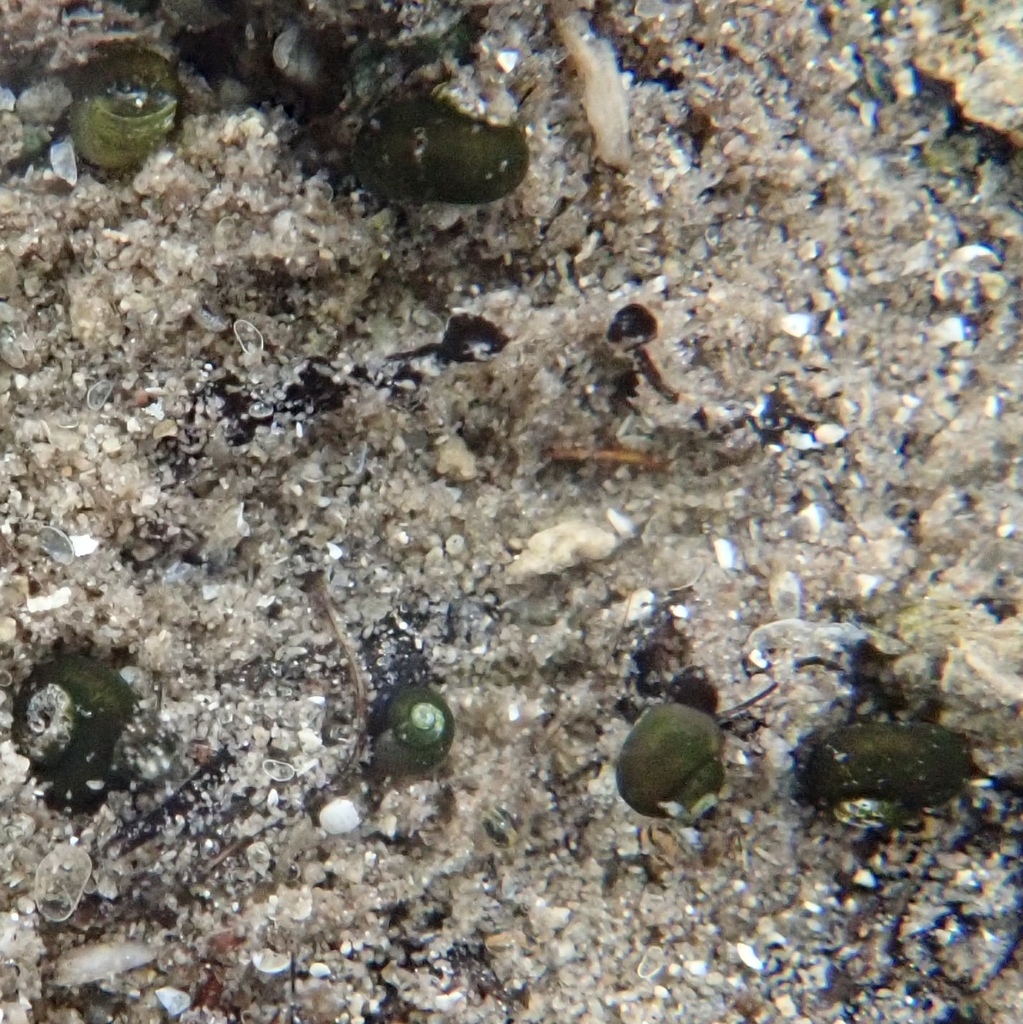
(c) Clifton Ladd, C.W.B., some rights reserved (CC BY) · licence
Family: Hydrobiidae · Class: Gastropoda · Order: Littorinimorpha
Conservation status: G1 S1
Pyrgulopsis rupinicola (Sucker Springs Pyrg) is a California animal in the Hydrobiidae family.
The Sucker Springs Pyrg is a small freshwater gastropod mollusk endemic to Nevada's desert spring systems. This minute snail typically measures 2-4 millimeters in shell height, with a conical to elongate shell shape characteristic of the genus Pyrgulopsis. The shell exhibits a light brown to translucent coloration with subtle growth lines visible on the surface. Like other springsnails, it possesses an operculum that seals the shell opening when the animal retracts. The species is known from extremely limited locations in Nevada, specifically associated with spring systems in the northern part of the state. The common name "Sucker Springs" indicates its type locality, though detailed distributional data remains scarce in published literature. This narrow endemic distribution pattern is typical of many Pyrgulopsis species, which often evolve in isolation within individual spring systems. The Sucker Springs Pyrg inhabits freshwater spring environments characterized by consistent water temperatures and specific hydrochemical conditions. These desert springs typically maintain relatively stable temperatures year-round, often between 15-25°C (59-77°F), and provide the specialized microhabitat conditions required by springsnail species. The species likely occupies areas with moderate water flow over rocky or sandy substrates, feeding on biofilms and organic detritus. As with other members of the genus Pyrgulopsis, this species exhibits typical gastropod reproduction involving separate sexes and internal fertilization. Females likely deposit small numbers of eggs on hard surfaces within the spring environment. The species probably feeds primarily on algae, bacteria, and organic matter found in biofilms coating submerged surfaces. Springsnails are generally active year-round due to the stable thermal conditions of their spring habitats, though specific behavioral and ecological studies for this species are lacking. The Sucker Springs Pyrg carries a Global/State Rank of G1 S1, indicating it is critically imperiled both globally and within Nevada due to extreme rarity or factors making it vulnerable to extinction. While not currently listed under federal or state endangered species acts, the species appears on the U.S. Fish and Wildlife Service's list of species potentially eligible for conservation grants, suggesting conservation concern (USFWS 2025). The primary threats to this species likely include groundwater depletion, spring modification, and potential contamination of its limited spring habitat. Like many Nevada springsnails, habitat alteration or loss could rapidly lead to extinction given the species' extremely restricted distribution. Climate change may pose additional threats through altered precipitation patterns and increased temperatures affecting spring flow and water chemistry. Conservation efforts would benefit from detailed population surveys, habitat monitoring, and protection of the spring systems upon which this species depends. Scientific documentation for this species remains extremely limited, with most available information derived from taxonomic databases and conservation planning documents. Detailed ecological studies, population assessments, and habitat requirements analyses are needed to develop effective conservation strategies for this rare Nevada endemic.
Classification
Class: Gastropoda · Order: Littorinimorpha · Family: Hydrobiidae
Conservation status
G1 S1
Frequently asked questions
How is Pyrgulopsis rupinicola classified?
Pyrgulopsis rupinicola belongs to class Gastropoda, order Littorinimorpha, family Hydrobiidae.
What family does Pyrgulopsis rupinicola belong to?
Pyrgulopsis rupinicola is in the Hydrobiidae family.
Is Pyrgulopsis rupinicola protected or of conservation concern?
Pyrgulopsis rupinicola carries the following status: G1 S1.
What is Pyrgulopsis rupinicola?
The Sucker Springs Pyrg is a small freshwater gastropod mollusk endemic to Nevada's desert spring systems.
Is Pyrgulopsis rupinicola found in California?
Yes. Pyrgulopsis rupinicola is recorded in California in The California Species Project's catalogue.
Related species
Other California species in the same genus, family, or bioregion.
Data from The California Species Project — 14,000+ California species with verified data from CNPS, CDFW, USFWS, and more.