Pyrgus ruralis
Two-banded Checkered-Skipper
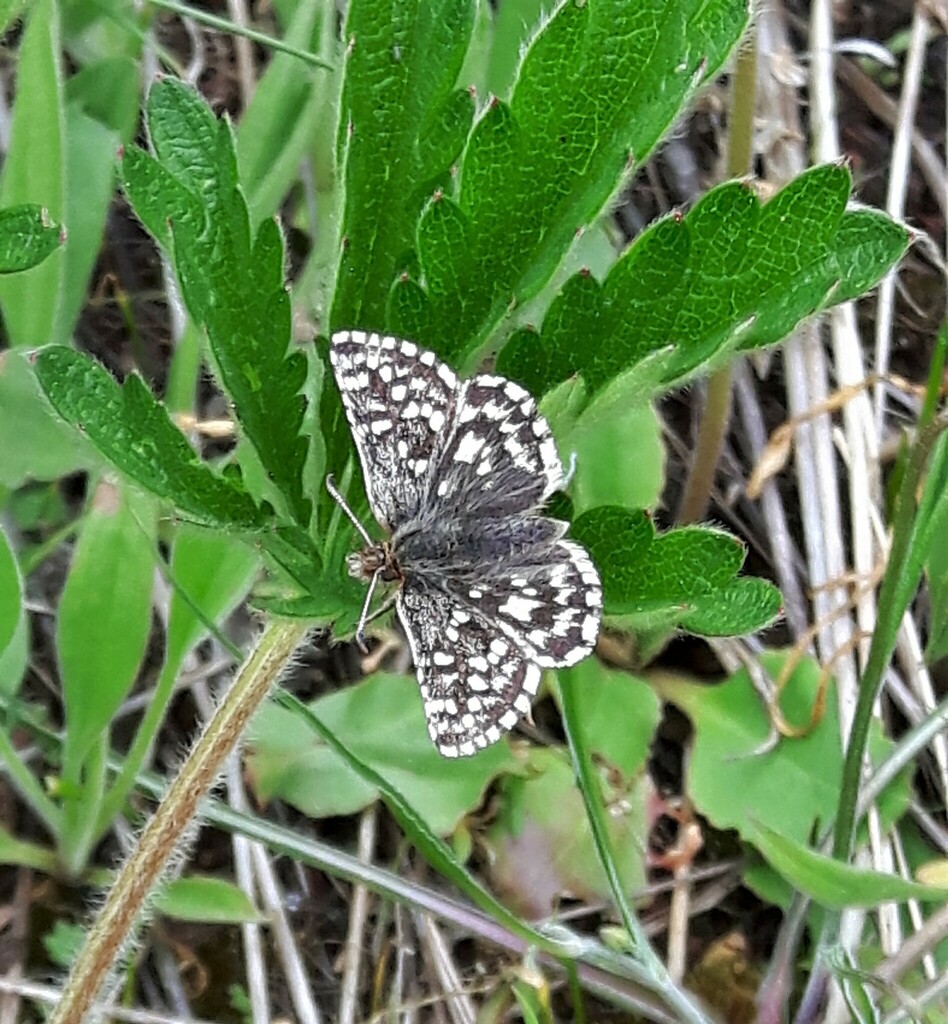
(c) Peter L Achuff, some rights reserved (CC BY) · licence
Family: Hesperiidae · Class: Insecta · Order: Lepidoptera
Pyrgus ruralis (Two-banded Checkered-Skipper) is a California animal in the Hesperiidae family.
The Two-banded Checkered-Skipper is a small butterfly in the skipper family Hesperiidae, characterized by its distinctive checkered wing pattern. Adults have a wingspan of approximately 25 to 32 mm (1.0 to 1.3 inches). The wings display a complex pattern of white spots on a dark brown to black background, creating the characteristic checkered appearance. The forewings typically show two prominent white bands or rows of spots, which give the species its common name. The hindwings also bear white checkering, though often less pronounced than on the forewings. Males possess a distinctive stigma, or scent patch, on the forewings used during courtship. This species ranges from British Columbia and Alberta south through the mountains to southern California, Arizona, and New Mexico. In California, the Two-banded Checkered-Skipper occurs primarily in mountainous regions, where it maintains local and typically uncommon populations. The species is considered inconspicuous throughout its range, with populations often difficult to locate and monitor due to their scattered distribution and low density. The Two-banded Checkered-Skipper inhabits montane environments, typically found in areas supporting herbaceous plants in the rose family. Preferred habitats include mountain meadows, forest clearings, and open slopes where host plants occur. The species shows a preference for elevations where its specific host plants thrive, generally in cooler, moister conditions than many other skipper species. Adults are often observed nectaring on various wildflowers in these mountain habitats. Larvae feed exclusively on herbaceous plants in the rose family (Rosaceae), including Drummond's potentilla (Potentilla drummondii), dusky horkelia (Horkelia fusca), Santa Rosa horkelia (H. tenuiloba), and Cleveland's horkelia (H. bolanderi clevelandii). Additional rose family hosts likely support development, though specific relationships remain understudied. Adults typically fly from late spring through summer, with timing varying by elevation and local climate conditions. Males establish territories and engage in perching behavior to locate mates. Females deposit eggs singly on or near host plants, where larvae develop through multiple instars before pupating. The Two-banded Checkered-Skipper does not currently hold federal or state listing status, though its local and uncommon nature throughout its range suggests populations may be vulnerable to habitat disturbance. Primary threats likely include habitat loss from development in mountain areas, grazing pressure that affects host plant populations, and climate change impacts on montane ecosystems. The species' dependence on specific host plants in the Rosaceae family makes it particularly susceptible to changes in plant community composition. Fire management practices and recreational activities in mountain habitats may also affect local populations. Limited research on population trends and ecological requirements hampers comprehensive conservation assessment for this inconspicuous species.
Classification
Class: Insecta · Order: Lepidoptera · Family: Hesperiidae
Frequently asked questions
How is Pyrgus ruralis classified?
Pyrgus ruralis belongs to class Insecta, order Lepidoptera, family Hesperiidae.
What family does Pyrgus ruralis belong to?
Pyrgus ruralis is in the Hesperiidae family.
What is Pyrgus ruralis?
The Two-banded Checkered-Skipper is a small butterfly in the skipper family Hesperiidae, characterized by its distinctive checkered wing pattern.
Is Pyrgus ruralis found in California?
Yes. Pyrgus ruralis is recorded in California in The California Species Project's catalogue.
Related species
Other California species in the same genus, family, or bioregion.
Data from The California Species Project — 14,000+ California species with verified data from CNPS, CDFW, USFWS, and more.