Rana boylii pop. 1
Foothill Yellow- Legged Frog - North Coast Dps
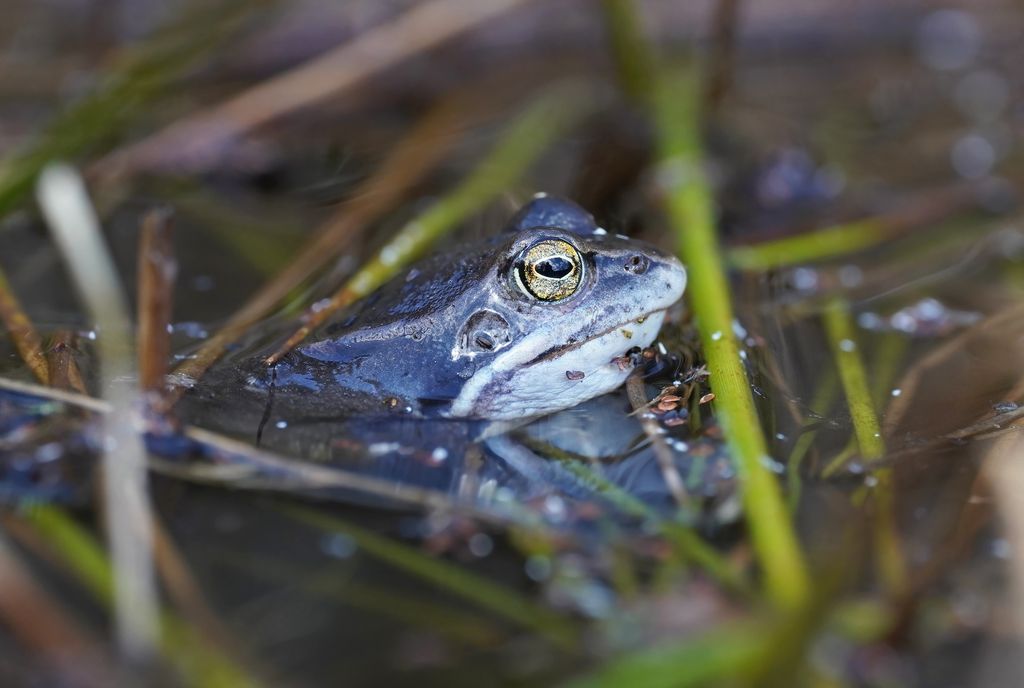
(c) Julia Moning, some rights reserved (CC BY) · licence
Family: Ranidae · Class: Amphibia · Order: Anura
Conservation status: G3T4 S4
Rana boylii pop. 1 (Foothill Yellow- Legged Frog - North Coast Dps) is a California animal in the Ranidae family.
The Foothill Yellow-legged Frog North Coast Distinct Population Segment (DPS) is a medium-sized ranid frog endemic to the coastal watersheds of northern California. Adults typically measure 40 to 80 mm (1.6 to 3.1 inches) in snout-vent length, with females generally larger than males. The species is characterized by yellow coloration on the underside of the hind legs, from which it derives its common name. The dorsal surface varies from gray to brown or reddish-brown with darker irregular blotches, while the ventral surface is white to pale yellow with occasional dark mottling. The North Coast DPS historically occupied coastal watersheds from the San Francisco Bay Area north to the Oregon border. According to USFWS, this population segment is found in the Central Coast Range south of San Francisco Bay to San Benito and Fresno Counties. Current populations are fragmented and significantly reduced from historical levels, with many local extirpations documented throughout the range. The species occurs in both coastal and interior foothill regions, typically at elevations below 1,500 meters (4,900 feet). Foothill yellow-legged frogs inhabit rocky streams and creeks with permanent or near-permanent water flow. Adults require shallow, slow-moving pools and riffles with cobble and boulder substrates that provide basking sites and escape cover. Breeding habitat consists of gravel bars and shallow, slow-flowing water areas where egg masses can be attached to stable substrates. Larvae develop in quiet backwaters and pools with sandy or silty bottoms that support algae and detritus upon which they feed. Breeding occurs from March through May, coinciding with declining winter flows and warming water temperatures. Females deposit egg masses containing 200 to 1,000 eggs in shallow water, attaching them to rocks, vegetation, or gravel substrates. Tadpoles require 3 to 4 months to metamorphose, emerging as juveniles in late summer or early fall. Adults are primarily diurnal, feeding on terrestrial and aquatic invertebrates including flies, beetles, ants, and spiders. During winter months, frogs seek refuge under rocks, logs, or in crevices along stream banks. The U.S. Fish and Wildlife Service listed the North Coast DPS as threatened under the Endangered Species Act on September 28, 2023. The species faces multiple threats including habitat modification from dams and water diversions, which alter natural flow regimes essential for reproduction and survival. According to NatureServe Explorer, altered flows affect food supply and other factors considered essential for healthy populations. Additional threats include sedimentation from logging and agricultural activities, invasive species such as bullfrogs and non-native fish, disease, and climate change impacts on stream hydrology. Water-related recreation activities can disturb breeding sites and compact spawning substrates. Recovery efforts focus on flow management, habitat restoration, and threat reduction across remaining occupied watersheds.
Classification
Class: Amphibia · Order: Anura · Family: Ranidae
Conservation status
G3T4 S4
Frequently asked questions
How is Rana boylii pop. 1 classified?
Rana boylii pop. 1 belongs to class Amphibia, order Anura, family Ranidae.
What family does Rana boylii pop. 1 belong to?
Rana boylii pop. 1 is in the Ranidae family.
Is Rana boylii pop. 1 protected or of conservation concern?
Rana boylii pop. 1 carries the following status: G3T4 S4.
What is Rana boylii pop. 1?
The Foothill Yellow-legged Frog North Coast Distinct Population Segment (DPS) is a medium-sized ranid frog endemic to the coastal watersheds of northern California.
Is Rana boylii pop. 1 found in California?
Yes. Rana boylii pop. 1 is recorded in California in The California Species Project's catalogue.
Related species
Other California species in the same genus, family, or bioregion.
Data from The California Species Project — 14,000+ California species with verified data from CNPS, CDFW, USFWS, and more.