Rana pretiosa
Oregon spotted frog
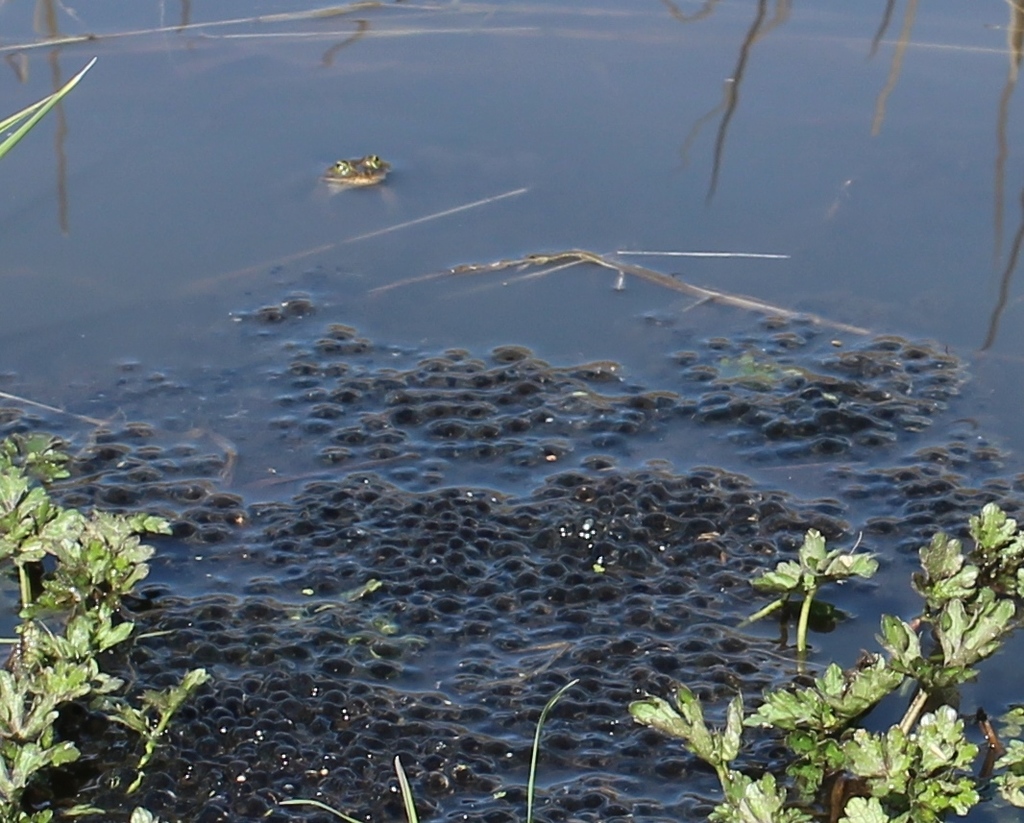
(c) 66dodge, some rights reserved (CC BY) · licence
Family: Ranidae · Class: Amphibia · Order: Anura
Conservation status: Threatened · G2 SH
Rana pretiosa (Oregon spotted frog) is a California animal in the Ranidae family.
The Oregon spotted frog (Rana pretiosa) is a medium-sized ranid frog endemic to the Pacific Northwest region of North America. Adults measure 44 to 100 mm (1.7 to 3.9 inches) in snout-to-vent length, with females typically larger than males. The dorsal surface is brown to olive-green with irregular dark spots that have indistinct borders. The ventral surface is cream to yellow, often with red or orange coloration on the lower abdomen and hind legs. During breeding season, males develop enlarged thumbs and may exhibit brighter coloration. Historically, Oregon spotted frogs ranged from extreme southwestern British Columbia through western Washington and Oregon to northeastern California. According to the SummitWest Environmental Database, the species currently occurs in Oregon, Washington, and Canada. The species has been extirpated from California, with the last confirmed record from Siskiyou County in the 1960s. Current populations are fragmented, with approximately 14 known population clusters remaining in Washington and fewer than 10 in Oregon. British Columbia supports a small number of populations in the Fraser River valley. Oregon spotted frogs inhabit shallow, warm water bodies including marshes, ponds, lake edges, and slow-moving streams. They require aquatic habitats with extensive emergent vegetation, typically cattails, sedges, and rushes. Breeding occurs in water depths of 10 to 40 cm (4 to 16 inches) with temperatures reaching 15°C (59°F) or higher. Adults prefer areas with floating or emergent vegetation for basking and foraging. The species requires permanent water throughout the year and cannot tolerate complete desiccation of breeding sites. Breeding occurs from February to May, depending on elevation and local climate conditions. Females deposit 300 to 1,500 eggs in communal masses attached to emergent vegetation in shallow water. Eggs hatch after 2 to 8 weeks, and tadpoles require 11 to 14 months to metamorphose, overwintering in aquatic habitats. Adults are primarily aquatic, rarely venturing more than 1 meter from water. They feed on a variety of invertebrates including flies, beetles, spiders, and aquatic insects. Oregon spotted frogs are active during daylight hours and bask on floating vegetation or logs. The U.S. Fish and Wildlife Service listed Oregon spotted frog as threatened under the Endangered Species Act in 2014. Population declines exceed 90% range-wide since the 1990s, with fewer than 8,000 adults estimated to remain. Primary threats include habitat loss from agricultural conversion, urban development, and water management practices. Non-native species, particularly bullfrogs and predatory fish, pose significant predation pressure. Climate change affects breeding timing and water availability. Disease, including chytrid fungus, has contributed to population declines. Recovery efforts focus on habitat restoration, population monitoring, and captive breeding programs in Washington and Oregon.
Classification
Class: Amphibia · Order: Anura · Family: Ranidae
Conservation status
Threatened · G2 SH
Frequently asked questions
How is Rana pretiosa classified?
Rana pretiosa belongs to class Amphibia, order Anura, family Ranidae.
What family does Rana pretiosa belong to?
Rana pretiosa is in the Ranidae family.
Is Rana pretiosa protected or of conservation concern?
Rana pretiosa carries the following status: Threatened · G2 SH.
What is Rana pretiosa?
The Oregon spotted frog (Rana pretiosa) is a medium-sized ranid frog endemic to the Pacific Northwest region of North America.
Is Rana pretiosa found in California?
Yes. Rana pretiosa is recorded in California in The California Species Project's catalogue.
Related species
Other California species in the same genus, family, or bioregion.
Data from The California Species Project — 14,000+ California species with verified data from CNPS, CDFW, USFWS, and more.