Raphia pallula
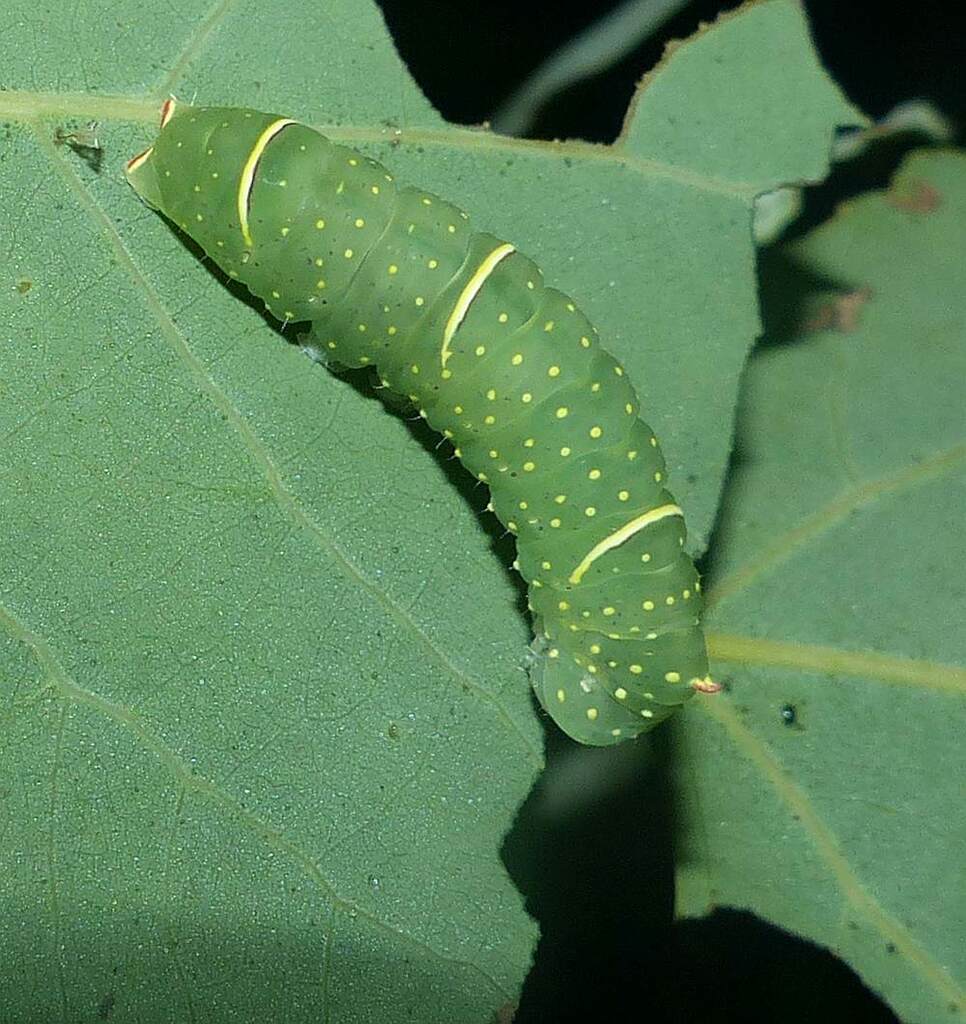
(c) christine123, some rights reserved (CC BY) · licence
Family: Noctuidae · Class: Insecta · Order: Lepidoptera
Raphia pallula is a California animal in the Noctuidae family.
Raphia pallula is a nocturnal moth in the family Noctuidae, representing one of the less-studied members of this diverse lepidopteran group. Adult moths have a wingspan ranging from 28 to 35 millimeters (1.1 to 1.4 inches), with forewings displaying a pale grayish-brown ground color marked by subtle darker transverse lines and small reniform and orbicular spots characteristic of the Noctuidae family. The hindwings are typically lighter, appearing whitish to pale gray with faint marginal markings. Sexual dimorphism is present, with males possessing more feathered antennae compared to the thread-like antennae of females. The species occurs across the western United States, with documented populations in California, Arizona, Nevada, Utah, and Colorado. Within California, Raphia pallula has been recorded from multiple counties, though specific distribution patterns and population densities remain poorly documented. The moth's range extends from desert regions to higher elevation areas, suggesting considerable ecological adaptability across varied climatic zones. Habitat preferences include arid and semi-arid environments, with the species found in desert scrublands, pinyon-juniper woodlands, and mixed coniferous forests at elevations ranging from approximately 300 to 2,400 meters (1,000 to 8,000 feet). Adults are attracted to artificial lights and have been collected at various light trap surveys throughout their range. The species appears to tolerate a range of moisture conditions, from xeric desert areas to more mesic montane environments. Adult flight period extends from late spring through early fall, with peak activity occurring during summer months from June through August. Like other Noctuidae, Raphia pallula is nocturnal, with adults becoming active after sunset. Mating behavior follows typical noctuid patterns, with males using pheromone detection to locate females. Larval host plants and feeding ecology remain largely undocumented in published literature, representing a significant knowledge gap for this species. The caterpillars likely feed on herbaceous plants or low shrubs common to their arid habitats, following the generalist feeding patterns observed in related Raphia species. Raphia pallula lacks formal conservation status designation at federal or state levels, reflecting the limited information available about population trends and threats. The species is not listed under the Endangered Species Act, nor does it appear on California's Species of Special Concern list as of December 2025. Current population status and trends are unknown due to insufficient monitoring data. Potential threats may include habitat modification from urban development, agricultural conversion, and altered fire regimes in natural areas. Climate change could affect the species through shifts in precipitation patterns and temperature regimes across its range, particularly in already moisture-limited desert habitats. The lack of comprehensive life history data hampers conservation assessment efforts, highlighting the need for systematic surveys and ecological studies to better understand this species' status and habitat requirements across its western distribution.
Classification
Class: Insecta · Order: Lepidoptera · Family: Noctuidae
Frequently asked questions
How is Raphia pallula classified?
Raphia pallula belongs to class Insecta, order Lepidoptera, family Noctuidae.
What family does Raphia pallula belong to?
Raphia pallula is in the Noctuidae family.
What is Raphia pallula?
Raphia pallula is a nocturnal moth in the family Noctuidae, representing one of the less-studied members of this diverse lepidopteran group.
Is Raphia pallula found in California?
Yes. Raphia pallula is recorded in California in The California Species Project's catalogue.
Related species
Other California species in the same genus, family, or bioregion.
Data from The California Species Project — 14,000+ California species with verified data from CNPS, CDFW, USFWS, and more.