Retinia picicolana
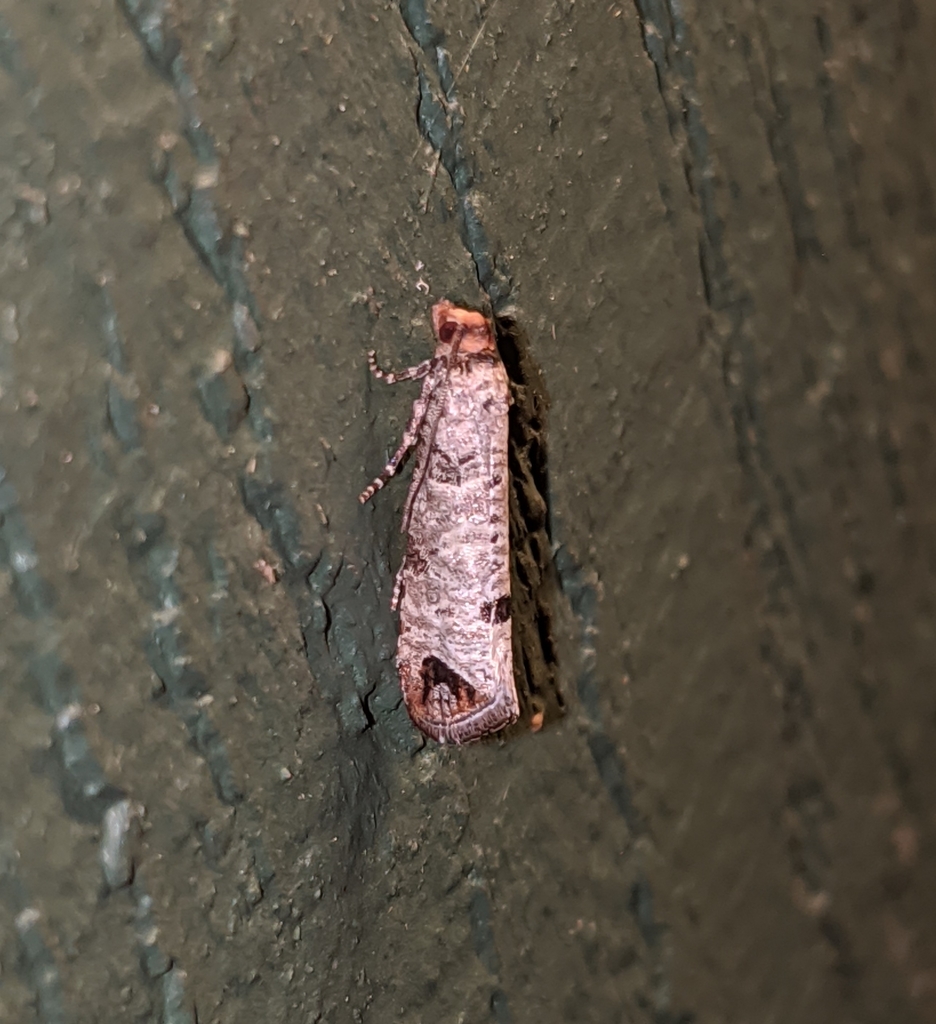
no rights reserved · CC0
Family: Tortricidae · Class: Insecta · Order: Lepidoptera
Retinia picicolana is a California animal in the Tortricidae family.
Retinia picicolana is a moth species in the family Tortricidae, a diverse group of small moths commonly known as tortrix moths or leafroller moths. Members of the genus Retinia are typically small moths with forewings measuring 8-15 millimeters in length. Tortricidae species generally have broad, rounded forewings and narrower hindwings, with wing patterns that often include bands, patches, or reticulated markings in browns, grays, and other earth tones. The geographic distribution of Retinia picicolana has not been comprehensively documented in readily available scientific literature. The species name suggests a potential association with pine (Pinus) species, as indicated by the specific epithet 'picicolana,' which may derive from Latin references to pitch or pine. However, specific host plant relationships and habitat preferences require further scientific documentation. Like other Tortricidae species, R. picicolana likely develops through complete metamorphosis, with larvae that may feed within rolled leaves, shoots, or other plant tissues. Many Retinia species are associated with coniferous trees, where larvae may bore into buds, shoots, or cone structures. The adult flight period, larval feeding behavior, and specific ecological requirements for this species remain poorly documented in available literature. Tortricidae moths typically have one or more generations per year, depending on climate and host plant phenology. Adults are generally active during warmer months, with females depositing eggs on or near host plants. Larvae often create protective shelters by rolling or folding leaves, or by boring into plant tissues, which provides both food and protection from predators and environmental conditions. No federal or state conservation status has been assigned to Retinia picicolana, and the species does not appear on current threatened or endangered species lists. The apparent lack of recent scientific studies or comprehensive surveys makes it difficult to assess population trends or conservation needs. Many small moth species remain understudied, with basic biological and ecological information lacking even for described species. This species represents the broader challenge in lepidopteran taxonomy and conservation, where numerous described species lack adequate biological and ecological documentation. The paucity of available information highlights the need for continued systematic research on North American Tortricidae, particularly smaller species that may have restricted ranges or specialized habitat requirements. Comprehensive surveys combining traditional morphological identification with modern molecular techniques could help clarify the status and distribution of R. picicolana and related species. Scientific documentation for this species remains extremely limited. If you have verified information about this species' biology, distribution, host plants, or ecology, please contact us to help improve this species account.
Classification
Class: Insecta · Order: Lepidoptera · Family: Tortricidae
Frequently asked questions
How is Retinia picicolana classified?
Retinia picicolana belongs to class Insecta, order Lepidoptera, family Tortricidae.
What family does Retinia picicolana belong to?
Retinia picicolana is in the Tortricidae family.
What is Retinia picicolana?
Retinia picicolana is a moth species in the family Tortricidae, a diverse group of small moths commonly known as tortrix moths or leafroller moths.
Is Retinia picicolana found in California?
Yes. Retinia picicolana is recorded in California in The California Species Project's catalogue.
Related species
Other California species in the same genus, family, or bioregion.
Data from The California Species Project — 14,000+ California species with verified data from CNPS, CDFW, USFWS, and more.