Rhinacloa forticornis
Western Plant Bug
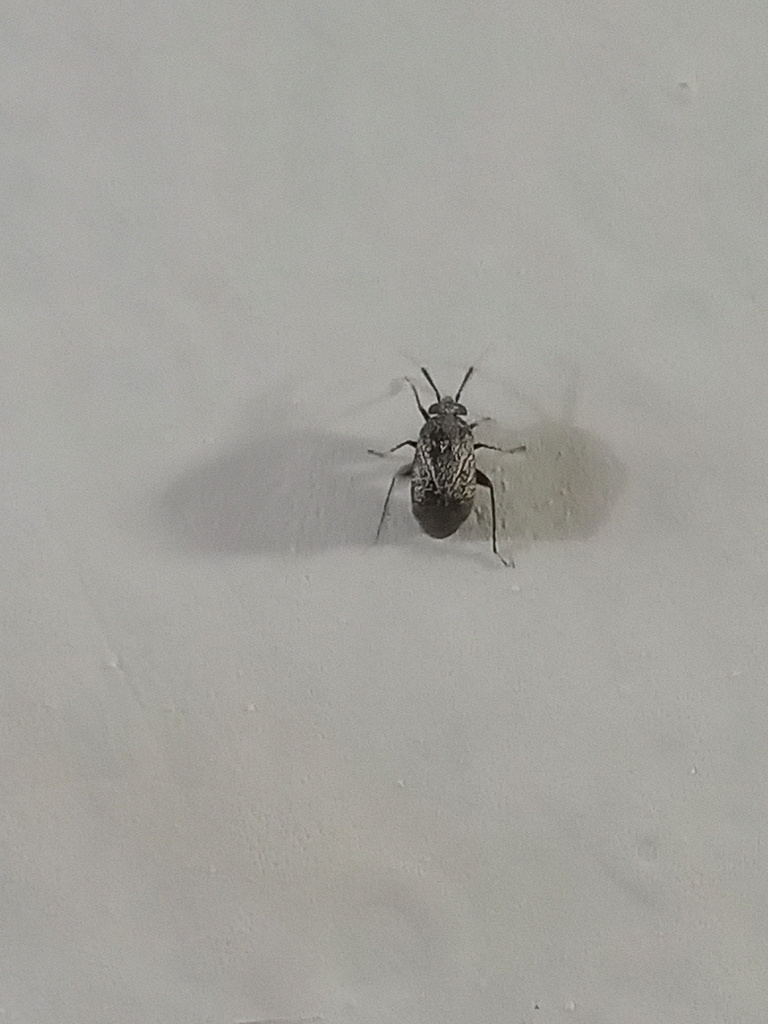
(c) Rodolfo Salinas Villarreal, some rights reserved (CC BY) · licence
Family: Miridae · Class: Insecta · Order: Hemiptera
Rhinacloa forticornis (Western Plant Bug) is a California animal in the Miridae family.
The Western Plant Bug (Rhinacloa forticornis) is a member of the family Miridae, commonly known as plant bugs or leaf bugs. This species belongs to the tribe Phylini within the subfamily Mirinae. As a member of Miridae, this insect possesses the characteristic hemipteran piercing-sucking mouthparts and undergoes incomplete metamorphosis with egg, nymphal, and adult stages. The current distribution and range of Rhinacloa forticornis have not been thoroughly documented in available scientific literature. The species appears in U.S. Fish and Wildlife Service taxonomic databases, indicating its presence within regions under federal wildlife management consideration, though specific geographic boundaries remain unclear. Habitat requirements for this species are not well established in current scientific documentation. Most mirid bugs typically inhabit various plant communities where they feed on plant tissues, but the specific vegetation associations and microhabitat preferences of R. forticornis require further study. Elevation ranges and substrate preferences have not been documented for this species. The ecological role and behavior patterns of Rhinacloa forticornis remain largely unstudied. Like other members of Miridae, this species likely feeds on plant fluids using its piercing-sucking mouthparts, but specific host plant relationships, feeding preferences, and seasonal activity patterns have not been documented. Reproductive biology, including mating behavior, egg-laying sites, and development timing, requires investigation. The species' role in ecosystem processes and potential interactions with other arthropods or natural enemies are unknown. The conservation status of Rhinacloa forticornis is currently unranked at federal, state, and global levels. The species does not appear on the IUCN Red List or state wildlife conservation lists as of December 2025. The lack of population data, distribution information, and threat assessments makes it difficult to evaluate conservation needs. Primary challenges for assessing this species include the general paucity of research on mirid bugs and the taxonomic complexity within the family Miridae. The limited scientific documentation available for this species reflects broader knowledge gaps in North American Hemiptera diversity and ecology. Many plant bug species remain poorly studied despite their potential ecological importance as herbivores and their interactions with native plant communities. Research priorities for R. forticornis should include basic distributional surveys, host plant identification, life history studies, and population assessments to determine conservation status and management needs. Scientific documentation for this species remains extremely limited. The information presented here is based on taxonomic records from the U.S. Fish and Wildlife Service database and general knowledge of Miridae biology. Detailed ecological studies, distribution mapping, and biological assessments are needed to develop a comprehensive understanding of this species' status and conservation requirements.
Classification
Class: Insecta · Order: Hemiptera · Family: Miridae
Frequently asked questions
How is Rhinacloa forticornis classified?
Rhinacloa forticornis belongs to class Insecta, order Hemiptera, family Miridae.
What family does Rhinacloa forticornis belong to?
Rhinacloa forticornis is in the Miridae family.
What is Rhinacloa forticornis?
The Western Plant Bug (Rhinacloa forticornis) is a member of the family Miridae, commonly known as plant bugs or leaf bugs.
Is Rhinacloa forticornis found in California?
Yes. Rhinacloa forticornis is recorded in California in The California Species Project's catalogue.
Related species
Other California species in the same genus, family, or bioregion.
Data from The California Species Project — 14,000+ California species with verified data from CNPS, CDFW, USFWS, and more.