Rhinichthys nevadensis nevadensis
Amargosa Speckled Dace
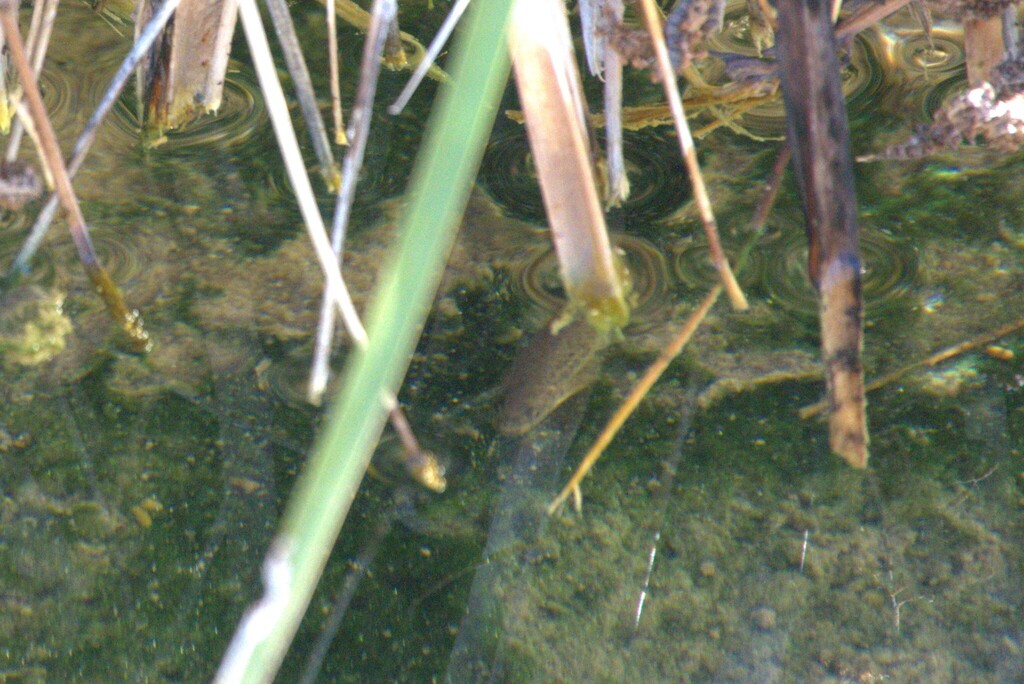
(c) Jacob Saucier, some rights reserved (CC BY) · licence
Family: Cyprinidae · Class: Actinopterygii · Order: Cypriniformes
Conservation status: GNRTNR S2S3
Rhinichthys nevadensis nevadensis (Amargosa Speckled Dace) is a California animal in the Cyprinidae family.
The Amargosa speckled dace (Rhinichthys nevadensis nevadensis) is a small freshwater fish endemic to spring-fed waters in the Death Valley region of California and Nevada. Adults typically measure 40-75 mm (1.6-3.0 inches) in total length, with a streamlined body adapted for flowing water environments. The species displays the characteristic speckled pattern of the genus Rhinichthys, with numerous small dark spots scattered across a olive-brown to grayish dorsal surface and lighter ventral coloration. The snout is moderately pointed, and small barbels are present at the corners of the mouth, adaptations for bottom feeding in rocky substrates. Historically, Amargosa speckled dace inhabited multiple spring systems throughout the Amargosa River drainage in Inyo and San Bernardino counties, California, and Nye County, Nevada. The species' range has contracted significantly from its historical distribution. Current populations are restricted to a few isolated spring complexes in the Death Valley region, including areas within and adjacent to Death Valley National Park. The fragmented nature of suitable habitat has resulted in genetically distinct populations separated by uninhabitable desert terrain. Amargosa speckled dace require clear, cool spring waters with stable temperatures typically ranging from 18-25°C (64-77°F). These fish inhabit shallow areas with rocky or gravelly substrates, often in association with aquatic vegetation. Spring pools, runs, and small streams with consistent flow provide essential habitat. Water depth preferences range from a few centimeters to approximately one meter, with individuals often found in areas where water flows over and around rocks and debris. The species feeds primarily on aquatic invertebrates, including chironomid larvae, mayfly nymphs, and small crustaceans found among rocks and vegetation. Spawning occurs during warmer months, typically from April through August, when water temperatures are optimal. Females deposit adhesive eggs in crevices between rocks or among plant roots. Amargosa speckled dace exhibit site fidelity, often remaining within small home ranges throughout their 2-3 year lifespan. The Amargosa speckled dace faces significant conservation challenges due to its restricted range and small population sizes. According to USFWS petition documents, the species has been subject to listing petitions under the Endangered Species Act due to threats including groundwater pumping, habitat modification, and introduction of non-native species (USFWS ECOS Database). Climate change poses additional risks through increased temperatures and altered precipitation patterns that could affect spring flows. The species' global/state rank of S2S3 indicates it is imperiled to vulnerable in California. Water diversions and groundwater extraction in the region continue to threaten the limited spring habitats upon which these fish depend. Conservation efforts focus on protecting remaining spring systems and monitoring population trends in this highly endemic subspecies.
Classification
Class: Actinopterygii · Order: Cypriniformes · Family: Cyprinidae
Conservation status
GNRTNR S2S3
Frequently asked questions
How is Rhinichthys nevadensis nevadensis classified?
Rhinichthys nevadensis nevadensis belongs to class Actinopterygii, order Cypriniformes, family Cyprinidae.
What family does Rhinichthys nevadensis nevadensis belong to?
Rhinichthys nevadensis nevadensis is in the Cyprinidae family.
Is Rhinichthys nevadensis nevadensis protected or of conservation concern?
Rhinichthys nevadensis nevadensis carries the following status: GNRTNR S2S3.
What is Rhinichthys nevadensis nevadensis?
The Amargosa speckled dace (Rhinichthys nevadensis nevadensis) is a small freshwater fish endemic to spring-fed waters in the Death Valley region of California and Nevada.
Is Rhinichthys nevadensis nevadensis found in California?
Yes. Rhinichthys nevadensis nevadensis is recorded in California in The California Species Project's catalogue.
Related species
Other California species in the same genus, family, or bioregion.
Data from The California Species Project — 14,000+ California species with verified data from CNPS, CDFW, USFWS, and more.