Rhinichthys osculus
Speckled dace
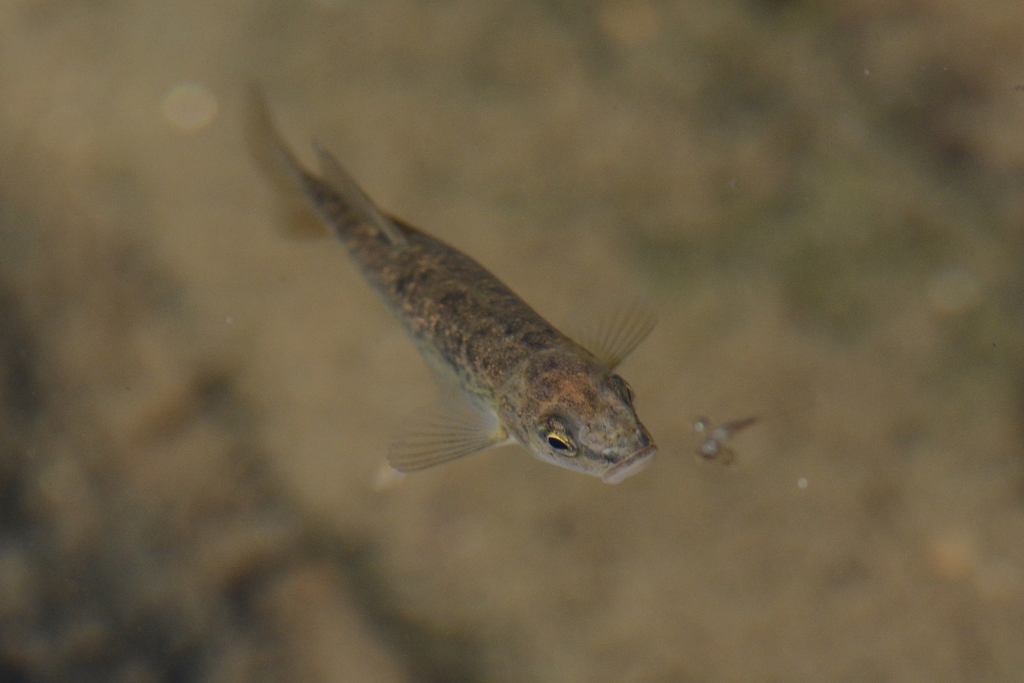
no rights reserved · CC0
Family: Cyprinidae · Class: Actinopterygii · Order: Cypriniformes
Rhinichthys osculus (Speckled dace) is a California animal in the Cyprinidae family.
The speckled dace is a small, robust freshwater fish native to western North America, including California. Adults typically measure 50 to 100 mm (2.0 to 3.9 inches) in total length, with a maximum recorded length of approximately 114 mm (4.5 inches). The body is fusiform with a slightly compressed profile and a terminal mouth equipped with small, conical teeth. The species displays variable coloration, with a dark olive to brown dorsal surface and lighter silver to white ventral coloration. The characteristic speckled pattern consists of small dark spots scattered across the sides, though intensity varies among populations and individuals. During breeding season, males develop orange to red coloration on the fins and may exhibit tubercles on the head and body. Speckled dace historically occupied a vast range across the western United States, from the Columbia River basin south through the Great Basin and Colorado River systems. In California, the species occurs in numerous watersheds including the Lahontan, Colorado River, and Death Valley systems. Populations are found in the eastern Sierra Nevada, Mojave Desert, and southeastern desert regions. The species has been documented in counties including Inyo, Mono, San Bernardino, Riverside, and Imperial, with elevations ranging from below sea level in Death Valley to over 2,400 meters (7,900 feet) in montane streams. Speckled dace inhabit diverse aquatic environments, from small desert springs and intermittent streams to larger permanent rivers and alpine lakes. They demonstrate exceptional tolerance for extreme environmental conditions, surviving in waters with temperatures ranging from near freezing to over 30°C (86°F) and salinity levels from freshwater to moderately saline conditions. Preferred habitats include shallow areas with rocky or gravel substrates, moderate current, and adequate cover from overhanging vegetation or undercut banks. The species exhibits opportunistic feeding behavior, consuming algae, aquatic invertebrates, small crustaceans, and organic detritus. Breeding typically occurs from late spring through early summer, with timing varying by elevation and local climate conditions. Females deposit adhesive eggs in gravel nests or attach them to vegetation and rocks. Speckled dace are relatively short-lived, with most individuals reaching sexual maturity at one to two years and living three to four years maximum. Currently, speckled dace populations in California face varying conservation challenges. While the species as a whole maintains stable populations across much of its range, several isolated populations in desert springs and small watersheds are vulnerable to habitat degradation, water diversions, and climate change impacts. Threats include groundwater pumping that reduces spring flows, introduction of non-native predatory fish, livestock grazing impacts on riparian areas, and increasing water temperatures associated with climate change. Some populations in highly isolated desert springs may warrant special conservation attention due to their genetic uniqueness and vulnerability to environmental perturbations. Water management practices and habitat restoration efforts in critical watersheds are essential for maintaining viable populations throughout the species' California range.
Classification
Class: Actinopterygii · Order: Cypriniformes · Family: Cyprinidae
Frequently asked questions
How is Rhinichthys osculus classified?
Rhinichthys osculus belongs to class Actinopterygii, order Cypriniformes, family Cyprinidae.
What family does Rhinichthys osculus belong to?
Rhinichthys osculus is in the Cyprinidae family.
What is Rhinichthys osculus?
The speckled dace is a small, robust freshwater fish native to western North America, including California.
Is Rhinichthys osculus found in California?
Yes. Rhinichthys osculus is recorded in California in The California Species Project's catalogue.
Related species
Other California species in the same genus, family, or bioregion.
Data from The California Species Project — 14,000+ California species with verified data from CNPS, CDFW, USFWS, and more.