Rhopalomyia californica
Coyote Brush Bud Gall Midge
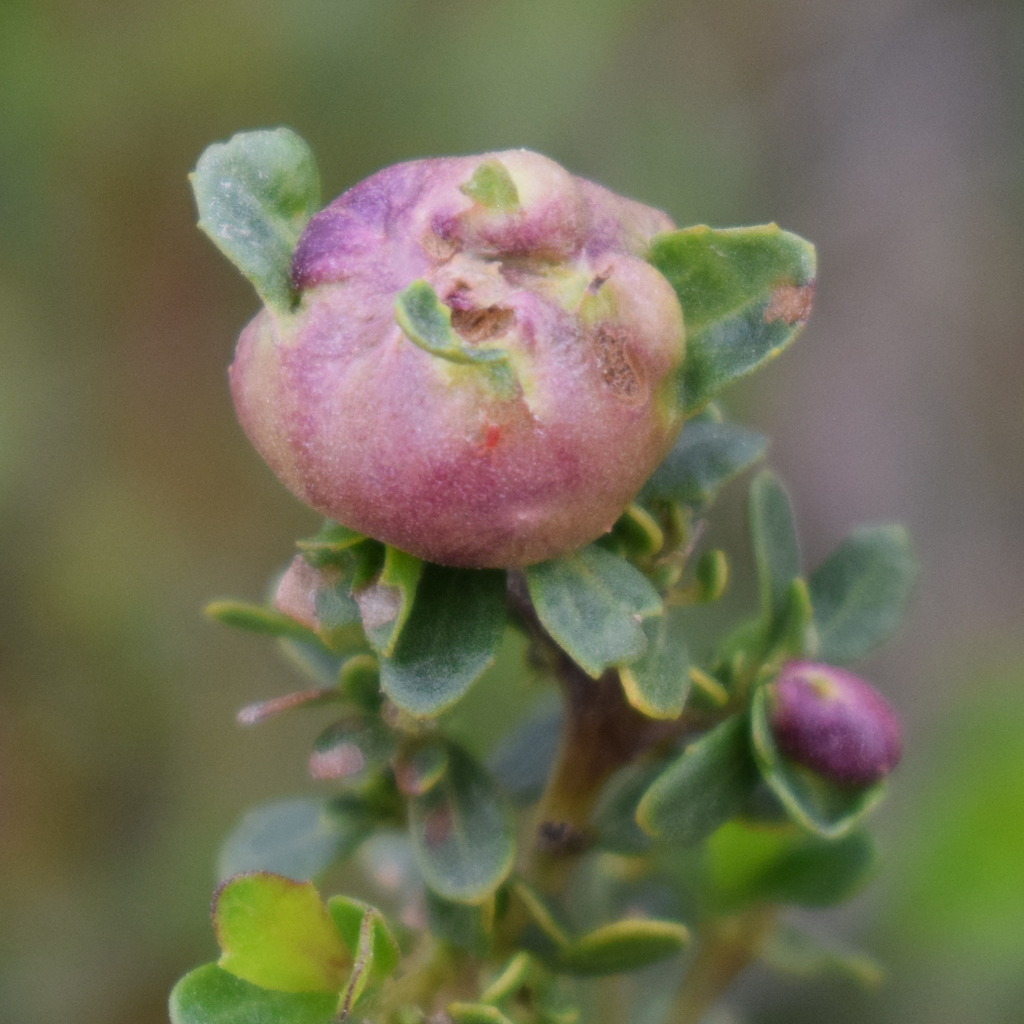
no rights reserved · CC0
Family: Cecidomyiidae · Class: Insecta · Order: Diptera
Rhopalomyia californica (Coyote Brush Bud Gall Midge) is a California animal in the Cecidomyiidae family.
The Coyote Brush Bud Gall Midge (Rhopalomyia californica) is a small dipteran insect in the family Cecidomyiidae, commonly known as gall midges. Adults are tiny flies, typically measuring 2-3 millimeters in length, with delicate bodies and long antennae characteristic of the cecidomyiid family. Like other gall midges, adults have reduced mouthparts and relatively short lifespans focused on reproduction. This species is endemic to California and occurs throughout much of the state where its host plant is present. Documented records include observations from Los Angeles County, with the species likely distributed wherever coyote brush populations exist across California's coastal and inland regions. The species appears to have a relatively stable distribution tied to the widespread nature of its host plant. Rhopalomyia californica is highly specialized, creating distinctive bud galls exclusively on coyote brush (Baccharis pilularis), a common shrub in California's coastal scrub and chaparral communities. According to BugGuide observations, the species has been recorded in native plant gardens and natural areas where coyote brush grows (BugGuide 2023). The galls appear as rounded swellings at the tips of branches, distinguishing them from other gall types found on different plant species. The midge likely inhabits elevations from sea level to the montane zones where coyote brush occurs, typically below 1,500 meters. The species exhibits a highly specialized life cycle tied to its gall-forming behavior. Female midges lay eggs in the growing tips of coyote brush branches, and the developing larvae induce the formation of characteristic bud galls. These galls provide both shelter and nutrition for the developing insects. The larvae feed on plant tissues within the gall chamber, completing their development over several weeks to months depending on environmental conditions. Adults emerge to mate and repeat the cycle, with timing likely synchronized to optimal host plant growth periods. The species demonstrates the complex evolutionary relationship between gall-inducing insects and their host plants. Rhopalomyia californica currently has no formal conservation status at state or federal levels. The species appears relatively secure due to the widespread distribution and abundance of its host plant throughout California. Coyote brush is a resilient native shrub that thrives in disturbed areas and is commonly used in restoration projects, suggesting stable habitat availability for the midge. However, like many specialized insects, the species could be vulnerable to factors affecting its host plant, including habitat conversion, invasive species competition, and climate change impacts on coastal scrub ecosystems. The species' dependence on a single host plant makes it potentially susceptible to any significant changes in coyote brush distribution or abundance. Scientific documentation of this species' detailed biology and population status remains limited, reflecting the challenge of studying small, specialized insects.
Classification
Class: Insecta · Order: Diptera · Family: Cecidomyiidae
Frequently asked questions
How is Rhopalomyia californica classified?
Rhopalomyia californica belongs to class Insecta, order Diptera, family Cecidomyiidae.
What family does Rhopalomyia californica belong to?
Rhopalomyia californica is in the Cecidomyiidae family.
What is Rhopalomyia californica?
The Coyote Brush Bud Gall Midge (Rhopalomyia californica) is a small dipteran insect in the family Cecidomyiidae, commonly known as gall midges.
Is Rhopalomyia californica found in California?
Yes. Rhopalomyia californica is recorded in California in The California Species Project's catalogue.
Related species
Other California species in the same genus, family, or bioregion.
Data from The California Species Project — 14,000+ California species with verified data from CNPS, CDFW, USFWS, and more.