Rhopalomyia erigerontis
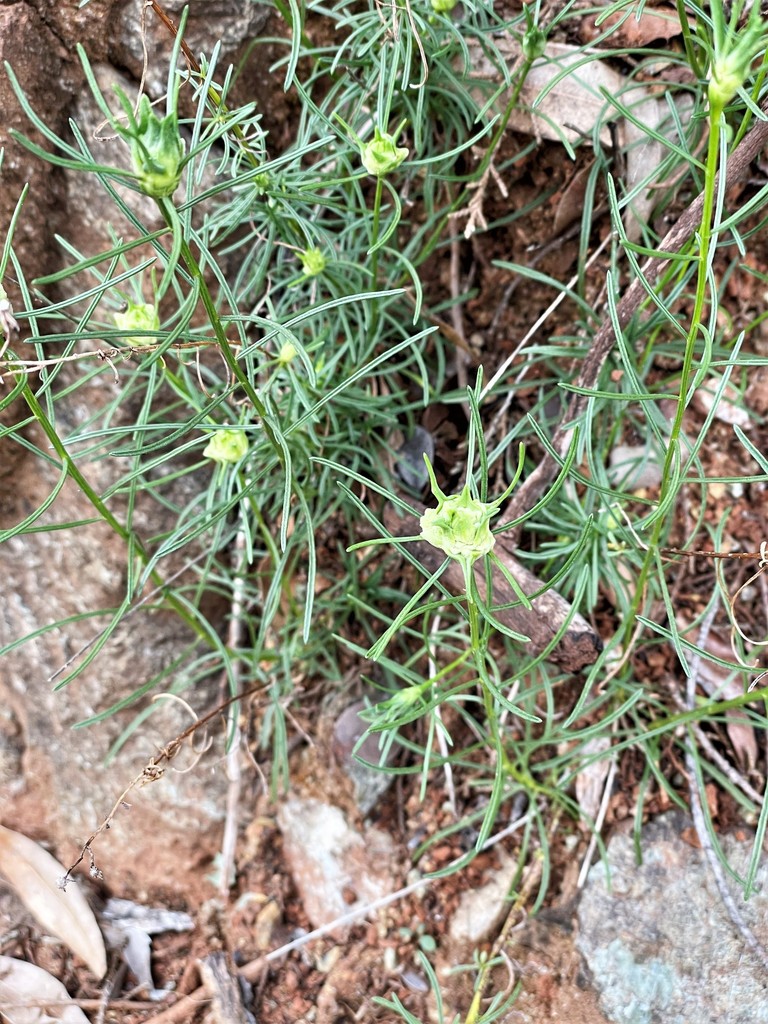
(c) Roger Raiche, some rights reserved (CC BY) · licence
Family: Cecidomyiidae · Class: Insecta · Order: Diptera
Rhopalomyia erigerontis is a California animal in the Cecidomyiidae family.
Rhopalomyia erigerontis is a gall midge in the family Cecidomyiidae, a diverse group of small flies known for their gall-forming behavior on host plants. This species belongs to the genus Rhopalomyia, which comprises numerous North American gall midges that specialize on plants in the sunflower family (Asteraceae). As with most gall midges, R. erigerontis adults are likely small, measuring 1-3 mm in length, with delicate bodies and long, slender antennae. Males typically possess more elaborate antennae than females, with additional sensory structures used for locating mates. The larvae are legless, pale-colored maggots that develop within plant galls they induce on their host plants. The species name 'erigerontis' suggests an association with plants in the genus Erigeron (fleabanes), which are common wildflowers throughout California. These host plants are found in diverse habitats from coastal areas to montane regions. However, the specific distribution of R. erigerontis within California has not been comprehensively documented in available scientific literature. Like other Rhopalomyia species, R. erigerontis likely inhabits areas where its Erigeron host plants occur. This could include grasslands, chaparral, oak woodlands, and disturbed areas where fleabanes commonly grow. The elevation range and specific habitat preferences of this gall midge remain undocumented. The life cycle of R. erigerontis presumably follows the typical pattern of gall midges. Adult females deposit eggs in developing plant tissues, and the resulting larvae secrete chemicals that cause the host plant to form characteristic galls. These galls provide both food and shelter for the developing larvae. The larvae likely pupate within or near the galls, with adults emerging to mate and continue the cycle. The number of generations per year and seasonal timing of emergence have not been studied for this species. Rhopalomyia erigerontis has no federal or state conservation status and does not appear on any endangered species lists. The species is not included in the USFWS Environmental Conservation Online System database, indicating it is not considered a species of conservation concern. Like many small, specialized insects, its population status and trends are unknown due to limited research attention. The ecological role of R. erigerontis as a gall-former represents a specialized plant-insect interaction. While individual galls may affect host plant reproduction, these relationships typically represent long-evolved associations rather than significant threats to plant populations. The species likely faces similar challenges to other specialized insects, including habitat loss and potential impacts from climate change on host plant distributions. Detailed ecological studies of this species are lacking. Scientific documentation remains limited, with basic biological information requiring further research. We welcome contributions of verified scientific data, photographs, or field observations to enhance understanding of this species' distribution, biology, and ecological requirements.
Classification
Class: Insecta · Order: Diptera · Family: Cecidomyiidae
Frequently asked questions
How is Rhopalomyia erigerontis classified?
Rhopalomyia erigerontis belongs to class Insecta, order Diptera, family Cecidomyiidae.
What family does Rhopalomyia erigerontis belong to?
Rhopalomyia erigerontis is in the Cecidomyiidae family.
What is Rhopalomyia erigerontis?
Rhopalomyia erigerontis is a gall midge in the family Cecidomyiidae, a diverse group of small flies known for their gall-forming behavior on host plants.
Is Rhopalomyia erigerontis found in California?
Yes. Rhopalomyia erigerontis is recorded in California in The California Species Project's catalogue.
Related species
Other California species in the same genus, family, or bioregion.
Data from The California Species Project — 14,000+ California species with verified data from CNPS, CDFW, USFWS, and more.