Rhopalomyia medusirrasa
Woolly Bud Gall Midge
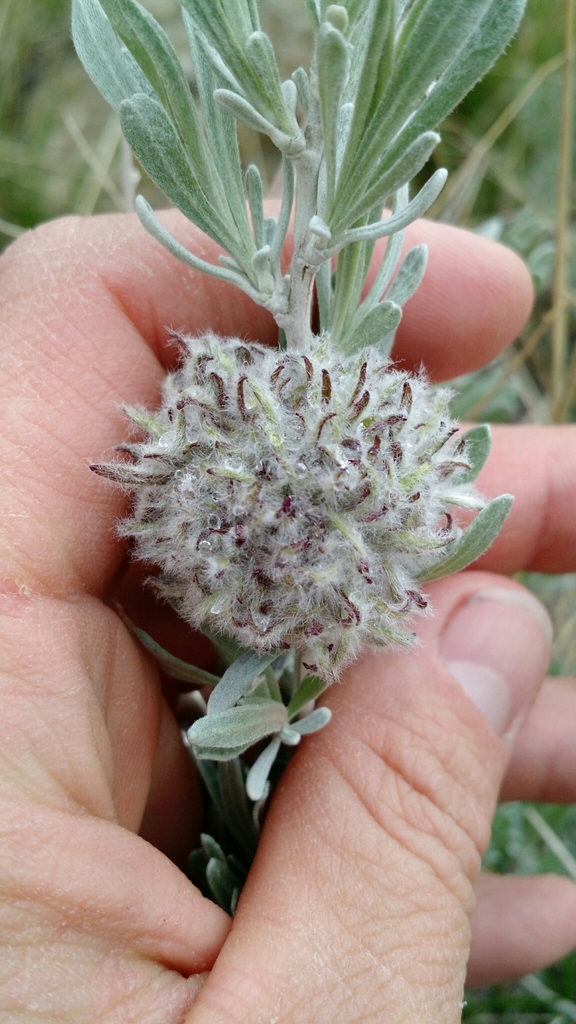
no rights reserved · CC0
Family: Cecidomyiidae · Class: Insecta · Order: Diptera
Rhopalomyia medusirrasa (Woolly Bud Gall Midge) is a California animal in the Cecidomyiidae family.
The Woolly Bud Gall Midge (Rhopalomyia medusirrasa) is a small fly in the family Cecidomyiidae, the gall midges. Like other members of the genus Rhopalomyia, adults are typically small flies with larvae that induce characteristic gall formations on their host plants. The genus Rhopalomyia comprises over 250 species worldwide, with 89 species documented in North America (BugGuide). Adults exhibit the typical cecidomyiid morphology with long, beaded antennae and delicate bodies. Larvae are white to very pale orange, developing within the plant galls they create, while pupae are usually light orange, darkening to red with age. The distribution and range of R. medusirrasa remain poorly documented in the scientific literature. The species belongs to a genus known primarily from temperate regions of North America, where various Rhopalomyia species create galls on plants in the Asteraceae family, particularly Artemisia species (BugGuide). Given the naming convention and taxonomic placement, this species likely occurs in western North America, though specific locality records require verification. Habitat requirements for this species have not been well documented. Other Rhopalomyia species typically inhabit areas where their host plants grow, ranging from desert scrublands to montane meadows depending on the specific host plant association. The genus is particularly diverse in arid and semi-arid regions of western North America, where Artemisia species are common components of the flora. The ecology of R. medusirrasa follows the typical gall midge life cycle pattern. Adult females lay eggs in plant buds or young shoots of their host plant. The larvae develop within the resulting gall, which provides both protection and nutrition. The "woolly" appearance referenced in the common name likely refers to the external texture of the galls, which may be covered with plant hairs or have a fuzzy surface texture. Gall midges typically have one to several generations per year, with timing synchronized to their host plant's growth cycles. Adults are generally weak fliers and remain close to suitable host plants. The conservation status of Rhopalomyia medusirrasa has not been formally evaluated. The species lacks federal or state listing status, and population trends are unknown due to limited scientific study. Many gall midge species have highly specific host plant relationships, making them potentially vulnerable to habitat loss or changes in plant community composition. The degree of host specificity for this species remains undocumented. Climate change and habitat conversion could pose threats if the species has narrow ecological requirements, though insufficient data exists to assess actual risk levels. Scientific documentation for this species remains extremely limited. The information presented here synthesizes available taxonomic and ecological knowledge from the genus level. Detailed studies of this species' biology, distribution, host plant relationships, and conservation needs are lacking. We welcome contributions of verified scientific data, photographs, or field observations to enhance this species account.
Classification
Class: Insecta · Order: Diptera · Family: Cecidomyiidae
Frequently asked questions
How is Rhopalomyia medusirrasa classified?
Rhopalomyia medusirrasa belongs to class Insecta, order Diptera, family Cecidomyiidae.
What family does Rhopalomyia medusirrasa belong to?
Rhopalomyia medusirrasa is in the Cecidomyiidae family.
What is Rhopalomyia medusirrasa?
The Woolly Bud Gall Midge (Rhopalomyia medusirrasa) is a small fly in the family Cecidomyiidae, the gall midges.
Is Rhopalomyia medusirrasa found in California?
Yes. Rhopalomyia medusirrasa is recorded in California in The California Species Project's catalogue.
Related species
Other California species in the same genus, family, or bioregion.
Data from The California Species Project — 14,000+ California species with verified data from CNPS, CDFW, USFWS, and more.