Rhynchagrotis formalis
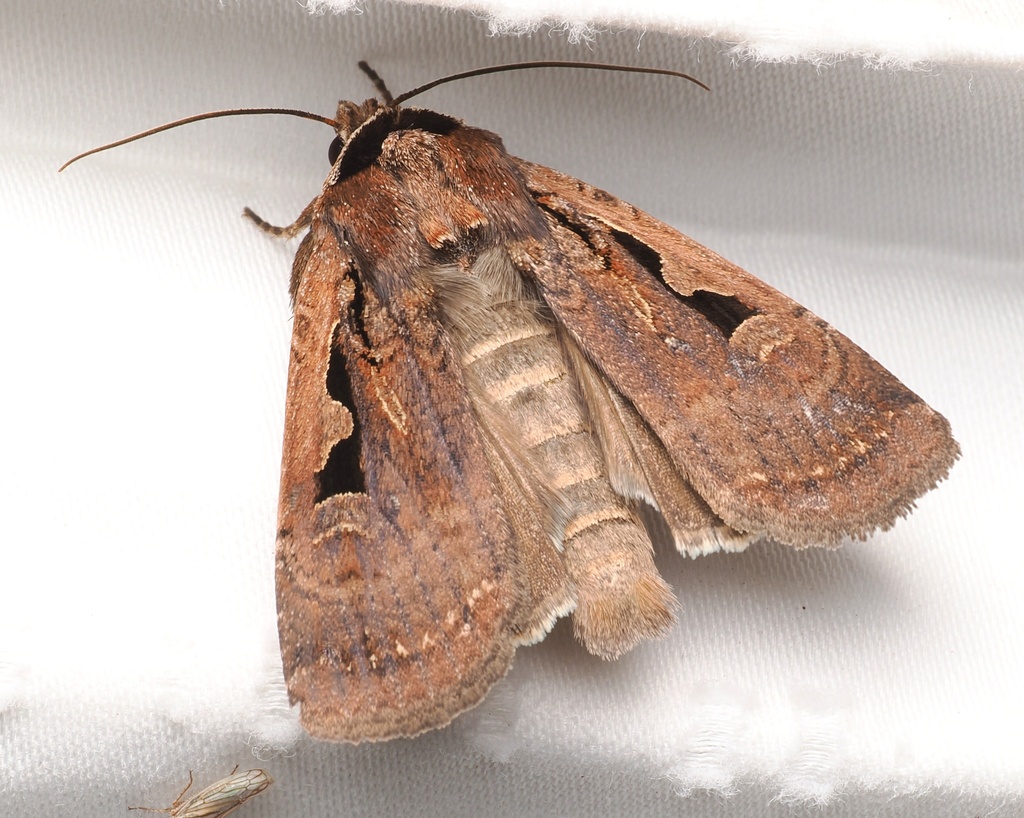
(c) Alan Rockefeller, some rights reserved (CC BY) · licence
Family: Noctuidae · Class: Insecta · Order: Lepidoptera
Rhynchagrotis formalis is a California animal in the Noctuidae family.
Rhynchagrotis formalis is a moth species in the family Noctuidae, commonly known as owlet moths or cutworm moths. This species belongs to the genus Rhynchagrotis, which comprises several North American moth species characterized by distinctive wing patterns and nocturnal habits. Limited taxonomic and biological information is available for this species in published literature. The physical description of R. formalis follows typical characteristics of the Noctuidae family. Adult moths likely possess the standard noctuid wing structure with forewings that are generally earth-toned and hindwings that are typically lighter in coloration. The genus Rhynchagrotis is characterized by moths with medium-sized wingspans, though specific measurements for R. formalis are not well-documented in current literature. Like other noctuids, adults probably have thread-like antennae and a coiled proboscis for nectar feeding. The geographic range and distribution of Rhynchagrotis formalis remain poorly documented. Based on available taxonomic records, the species appears to occur in western North America, though specific localities and range boundaries require further research. The genus Rhynchagrotis is known from various western states, but detailed distribution maps for individual species within the genus are lacking in current databases. Habitat requirements for R. formalis are not well-established in the scientific literature. Members of the genus Rhynchagrotis typically inhabit diverse environments including grasslands, shrublands, and open woodland areas. The species likely occurs across a range of elevations, though specific elevation preferences have not been documented. Host plant associations, if any, remain unknown for this species. The behavioral ecology and life history of Rhynchagrotis formalis are poorly understood. Like other noctuids, adults are presumably nocturnal and attracted to artificial lights. The species likely follows a typical moth life cycle with egg, larval, pupal, and adult stages. Flight periods, breeding behaviors, larval food sources, and overwintering strategies have not been documented in available literature. If the species produces larvae that feed on plant roots or stems, they may follow the cutworm behavior pattern common in many Noctuidae species. The conservation status of Rhynchagrotis formalis is not formally assessed by federal or state agencies. The species does not appear on endangered species lists or conservation concern databases. Population trends, threats, and conservation needs are unknown due to limited research and monitoring efforts. The apparent lack of recent collection records or ecological studies suggests that the species may be either rare, restricted in distribution, or in need of taxonomic revision. Further research is needed to determine the species' current status, distribution, and ecological requirements to assess any potential conservation concerns.
Classification
Class: Insecta · Order: Lepidoptera · Family: Noctuidae
Frequently asked questions
How is Rhynchagrotis formalis classified?
Rhynchagrotis formalis belongs to class Insecta, order Lepidoptera, family Noctuidae.
What family does Rhynchagrotis formalis belong to?
Rhynchagrotis formalis is in the Noctuidae family.
What is Rhynchagrotis formalis?
Rhynchagrotis formalis is a moth species in the family Noctuidae, commonly known as owlet moths or cutworm moths.
Is Rhynchagrotis formalis found in California?
Yes. Rhynchagrotis formalis is recorded in California in The California Species Project's catalogue.
Related species
Other California species in the same genus, family, or bioregion.
Data from The California Species Project — 14,000+ California species with verified data from CNPS, CDFW, USFWS, and more.