Rhynchagrotis insularis
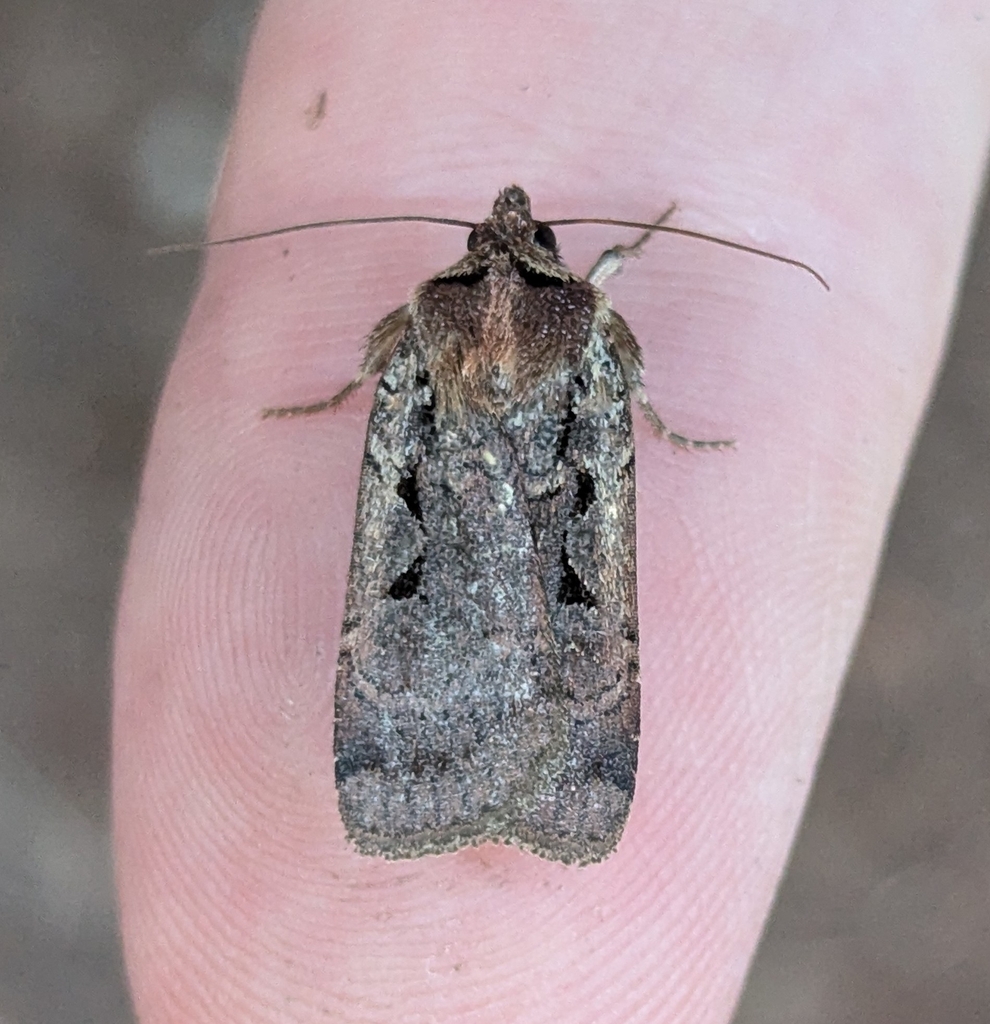
no rights reserved · CC0
Family: Noctuidae · Class: Insecta · Order: Lepidoptera
Rhynchagrotis insularis is a California animal in the Noctuidae family.
Rhynchagrotis insularis is a moth species in the family Noctuidae, commonly known as cutworm moths or dart moths. This lepidopteran belongs to a diverse family containing over 11,000 described species worldwide. The genus Rhynchagrotis comprises several species of medium-sized moths distributed across North America, with R. insularis representing one of the less well-documented members of this group. Physical characteristics of R. insularis follow the typical noctuidae body plan, with a robust thorax and wings adapted for nocturnal flight. Like other members of the Rhynchagrotis genus, adults likely possess forewings with cryptic coloration patterns that provide camouflage against bark or soil surfaces during daylight hours. The hindwings are typically lighter in coloration, often pale gray or whitish. Wing patterns in this genus commonly include reniform and orbicular spots, though specific markings for R. insularis require verification from taxonomic literature. The distribution and range of Rhynchagrotis insularis remain poorly documented in current literature. Based on the species epithet 'insularis,' which derives from Latin meaning 'of an island,' this moth may have originally been described from an insular population or isolated habitat. Without verified collection records, the precise geographic range cannot be definitively stated, though the genus Rhynchagrotis occurs primarily in western North America. Habitat preferences for R. insularis are not well-established in available sources. Other Rhynchagrotis species typically inhabit arid and semi-arid environments, including desert shrublands, grasslands, and chaparral communities. These moths generally prefer areas with sandy or rocky soils where larvae can successfully pupate underground. Elevation ranges for the genus vary considerably, from sea level to montane environments exceeding 2,000 meters. Behavioral and ecological information for R. insularis is limited. Noctuidae moths are typically nocturnal, with adults active during evening and nighttime hours. Flight periods likely correspond to favorable weather conditions and host plant phenology. Larval development in related species involves underground feeding on plant roots and organic matter in soil. Adult moths are attracted to artificial light sources and may be collected using standard moth sampling techniques including light traps and sugar baits. The conservation status of Rhynchagrotis insularis cannot be assessed without current population data or habitat assessments. The species lacks federal or state conservation listings, suggesting either stable populations or insufficient data for status evaluation. Many noctuidae species remain understudied, particularly those with restricted distributions or specialized habitat requirements. Climate change and habitat modification represent potential threats to moth species with limited ranges, though specific impacts on R. insularis remain unknown. Further taxonomic research and field surveys are needed to establish the species' current distribution, population status, and ecological requirements. Moth diversity surveys in potential habitat areas could provide valuable data for future conservation assessments of this and related species.
Classification
Class: Insecta · Order: Lepidoptera · Family: Noctuidae
Frequently asked questions
How is Rhynchagrotis insularis classified?
Rhynchagrotis insularis belongs to class Insecta, order Lepidoptera, family Noctuidae.
What family does Rhynchagrotis insularis belong to?
Rhynchagrotis insularis is in the Noctuidae family.
What is Rhynchagrotis insularis?
Rhynchagrotis insularis is a moth species in the family Noctuidae, commonly known as cutworm moths or dart moths.
Is Rhynchagrotis insularis found in California?
Yes. Rhynchagrotis insularis is recorded in California in The California Species Project's catalogue.
Related species
Other California species in the same genus, family, or bioregion.
Data from The California Species Project — 14,000+ California species with verified data from CNPS, CDFW, USFWS, and more.