Sabulodes mabelata
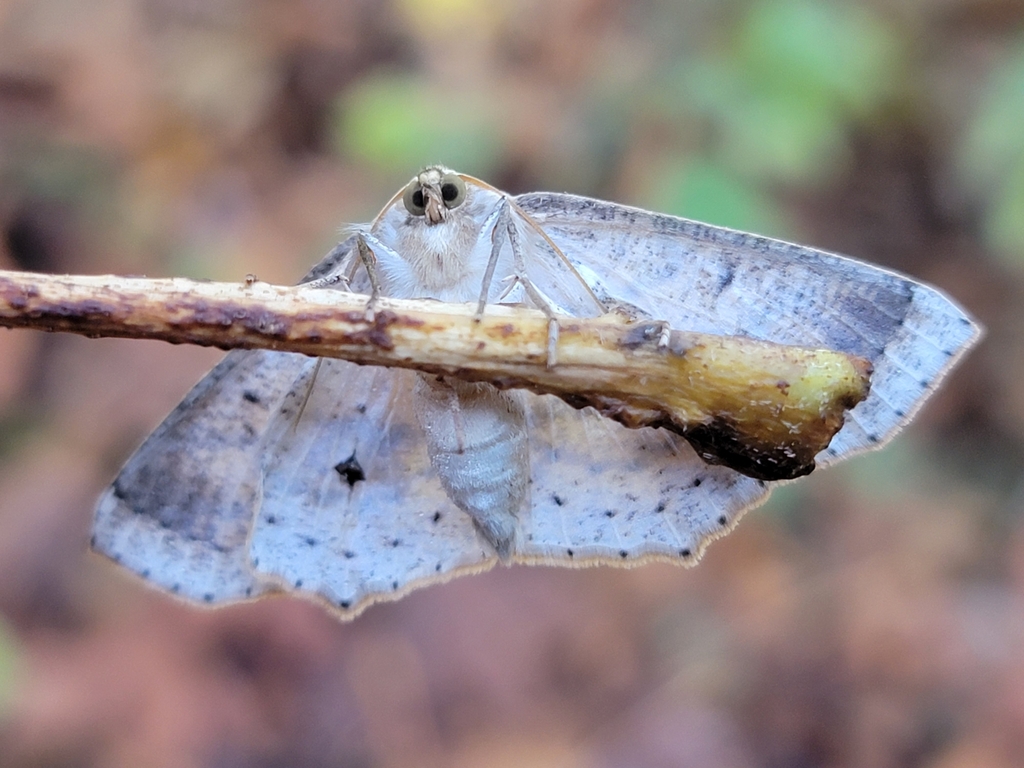
(c) DeeF, some rights reserved (CC BY) · licence
Family: Geometridae · Class: Insecta · Order: Lepidoptera
Sabulodes mabelata is a California animal in the Geometridae family.
Sabulodes mabelata is a geometrid moth in the family Geometridae, subfamily Ennominae. This species belongs to a genus of moths commonly known as carpet moths or wave moths, characterized by their broad wings and distinctive flight patterns. Adult moths typically display earth-toned coloration with subtle patterning that provides effective camouflage against tree bark and other natural surfaces. The scientific literature on Sabulodes mabelata is extremely limited, with few published records documenting this species' occurrence or distribution patterns. Based on available taxonomic databases, this moth appears to be native to western North America, though specific range information remains poorly documented. The genus Sabulodes includes several species distributed across various regions of North America, with some species showing restricted distributions in specific ecological zones. Habitat requirements for Sabulodes mabelata remain largely undocumented in the scientific literature. Most Geometridae moths are associated with specific host plants during their larval stage, with caterpillars feeding on leaves, flowers, or developing seeds. Adult geometrid moths are typically active during evening and nighttime hours, attracted to artificial light sources and native flowering plants that provide nectar resources. Many species in this family show seasonal emergence patterns tied to host plant phenology and local climate conditions. The life cycle of Sabulodes mabelata likely follows the typical geometrid pattern of complete metamorphosis. Female moths deposit eggs on or near host plants, where larvae develop through several instars before pupating. Geometrid larvae, commonly called inchworms or loopers, are distinguished by their characteristic method of locomotion, arching their bodies as they move along stems and branches. The larval stage represents the primary feeding period, during which caterpillars can significantly impact host plant populations if present in high densities. Conservation status information for Sabulodes mabelata is not available through standard wildlife databases or federal listing systems. The species does not appear on the U.S. Fish and Wildlife Service's endangered species list, nor is it tracked by California Department of Fish and Wildlife as a species of special concern. This lack of conservation attention may reflect either stable population levels or insufficient scientific study to assess population trends and threats. Many moth species remain poorly studied compared to more conspicuous butterfly species, creating significant knowledge gaps in understanding their ecological roles and conservation needs. The limited documentation of this species highlights broader challenges in lepidopteran conservation and research. Nocturnal moths represent a significant portion of insect biodiversity but receive less scientific attention than diurnal butterflies. Climate change, habitat fragmentation, and artificial lighting pollution pose potential threats to many moth species, though specific impacts on Sabulodes mabelata remain unknown. Future research efforts focusing on systematic surveys, host plant relationships, and population monitoring would be essential for developing appropriate conservation strategies for this and other poorly studied geometrid moths.
Classification
Class: Insecta · Order: Lepidoptera · Family: Geometridae
Frequently asked questions
How is Sabulodes mabelata classified?
Sabulodes mabelata belongs to class Insecta, order Lepidoptera, family Geometridae.
What family does Sabulodes mabelata belong to?
Sabulodes mabelata is in the Geometridae family.
What is Sabulodes mabelata?
Sabulodes mabelata is a geometrid moth in the family Geometridae, subfamily Ennominae.
Is Sabulodes mabelata found in California?
Yes. Sabulodes mabelata is recorded in California in The California Species Project's catalogue.
Related species
Other California species in the same genus, family, or bioregion.
Data from The California Species Project — 14,000+ California species with verified data from CNPS, CDFW, USFWS, and more.