Saldula usingeri
Wilbur Springs Shorebug
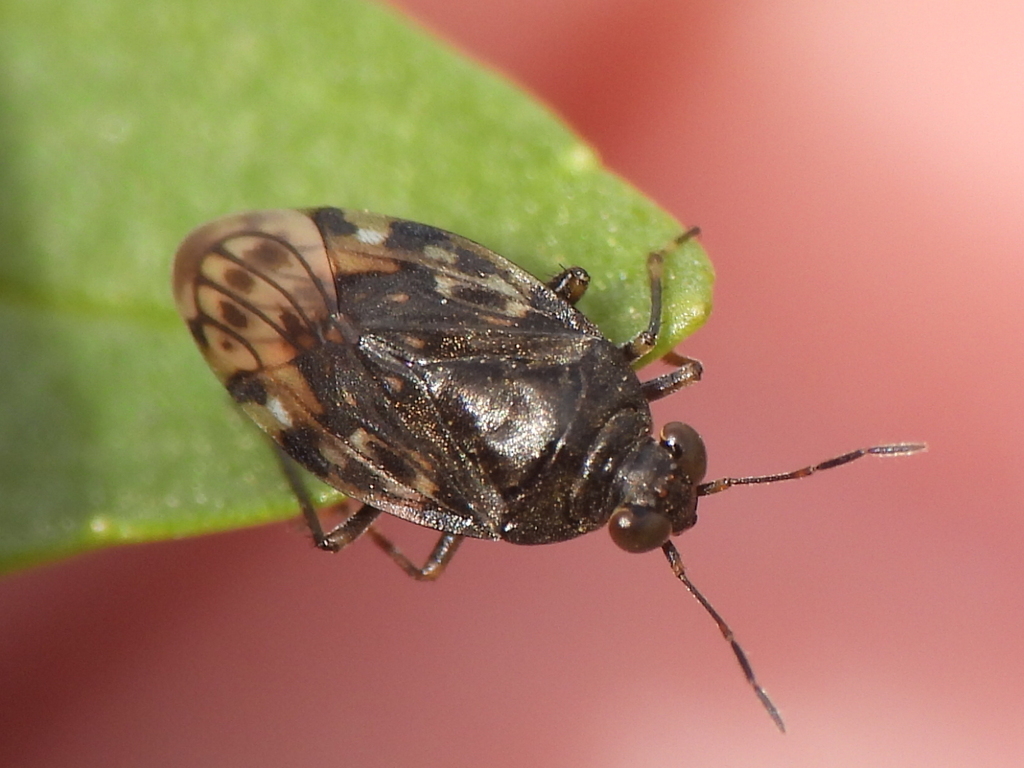
(c) Sam Kieschnick, some rights reserved (CC BY) · licence
Family: Saldidae · Class: Insecta · Order: Hemiptera
Conservation status: G2 S2
Saldula usingeri (Wilbur Springs Shorebug) is a California animal in the Saldidae family.
The Wilbur Springs shore bug is a small semiaquatic insect in the family Saldidae, order Hemiptera. As a member of the shore bug family, this species likely measures 3-6 mm in length and displays the characteristic elongated, oval body shape typical of saldids. Shore bugs are generally brownish or dark-colored with prominent eyes and strong legs adapted for running along shorelines and water surfaces. Specific morphological details for S. usingeri have not been comprehensively documented in available literature. This species has an extremely restricted distribution, occurring only at specific hot spring locations in northern California. According to NatureServe, Saldula usingeri is known from Sulfur and Bear Creeks which drain Wilbur Springs Hot Springs in Colusa County, and Tolenas Springs in Solano County. This highly endemic distribution makes it one of California's most geographically restricted hemipteran species. The Wilbur Springs shore bug inhabits the unique thermal spring environments of its namesake location. These hot springs create specialized microhabitats with consistently warm water temperatures and distinct mineral compositions that support endemic fauna. The species likely occupies the margins and shallow areas of thermally influenced creeks and seepages where temperatures and chemistry differ significantly from typical freshwater habitats. The calcium carbonate deposits and sulfur compounds characteristic of these springs create unique substrate conditions that may be essential for this species' survival. Like other shore bugs, S. usingeri is presumed to be predatory, feeding on small arthropods, mites, and other invertebrates found along water margins. Shore bugs are generally active hunters that use their piercing-sucking mouthparts to capture prey. The species likely overwinters as adults, as is typical for many saldids in temperate regions. Specific details regarding reproductive behavior, seasonal activity patterns, and prey preferences for this species remain undocumented, representing significant knowledge gaps in our understanding of its ecology. Saldula usingeri is ranked G2 S2, indicating it is globally and state imperiled due to rarity and restricted range. The U.S. Fish and Wildlife Service maintains a species profile for this insect, indicating federal conservation concern, though specific listing status information is not readily available as of December 2025. The species faces inherent vulnerability due to its dependence on a very small number of thermal spring systems. Threats likely include groundwater pumping, geothermal development, habitat modification, and climate change impacts on spring hydrology. Any alteration to the thermal characteristics, water chemistry, or flow patterns of its habitat could significantly impact populations. The species' extreme endemism makes it particularly susceptible to local environmental changes, and loss of even a single spring system could represent a substantial portion of the total population. Conservation efforts would benefit from detailed population monitoring, habitat protection measures, and research into the species' specific ecological requirements and thermal tolerance ranges.
Classification
Class: Insecta · Order: Hemiptera · Family: Saldidae
Conservation status
G2 S2
Frequently asked questions
How is Saldula usingeri classified?
Saldula usingeri belongs to class Insecta, order Hemiptera, family Saldidae.
What family does Saldula usingeri belong to?
Saldula usingeri is in the Saldidae family.
Is Saldula usingeri protected or of conservation concern?
Saldula usingeri carries the following status: G2 S2.
What is Saldula usingeri?
The Wilbur Springs shore bug is a small semiaquatic insect in the family Saldidae, order Hemiptera.
Is Saldula usingeri found in California?
Yes. Saldula usingeri is recorded in California in The California Species Project's catalogue.
Related species
Other California species in the same genus, family, or bioregion.
Data from The California Species Project — 14,000+ California species with verified data from CNPS, CDFW, USFWS, and more.