Salvelinus namaycush
Lake trout
no rights reserved · CC0
Family: Salmonidae · Class: Actinopterygii · Order: Salmoniformes
Salvelinus namaycush (Lake trout) is a California animal in the Salmonidae family.
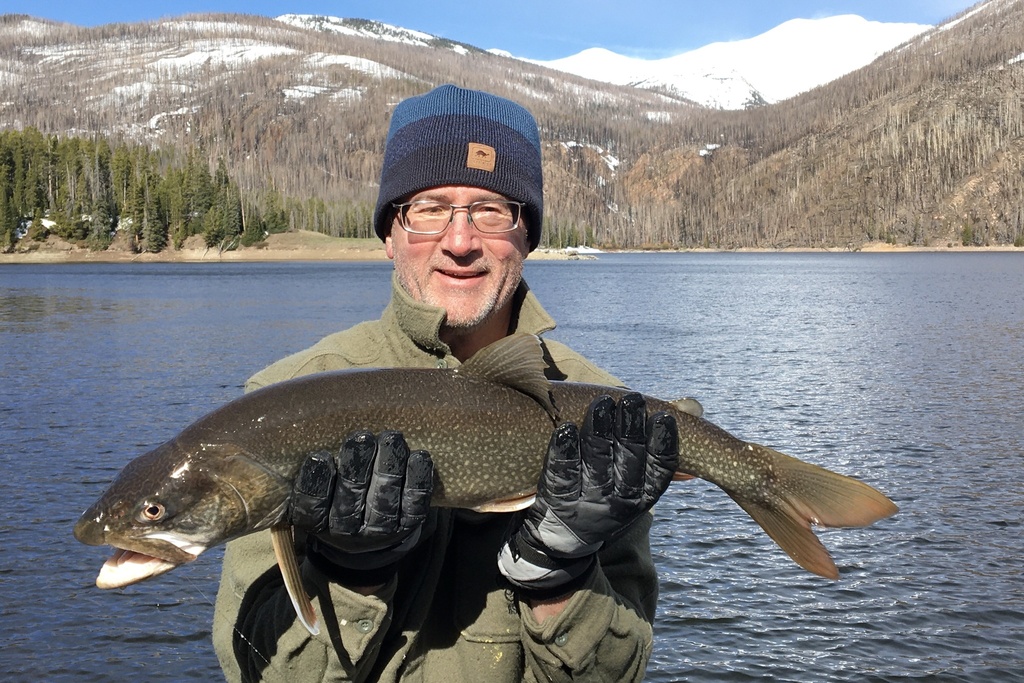
The Lake trout is a large, cold-water fish native to northern North America and the largest member of the char genus Salvelinus. Adults typically measure 60 to 120 cm (24 to 47 inches) in length and weigh 4.5 to 18 kg (10 to 40 pounds), though specimens exceeding 25 kg (55 pounds) have been documented. The body is elongated and somewhat compressed laterally, with a deeply forked tail. Coloration varies from light green to dark gray-green on the back and sides, with numerous pale yellow or cream-colored spots. The belly is typically white or pale yellow. Lake trout can be distinguished from other salmonids by their deeply forked tail, the absence of black spots on the dorsal fin, and the presence of white leading edges on their pectoral, pelvic, and anal fins. Historically, Lake trout were not native to California waters. The species' natural range extends across northern Canada, Alaska, and the northern Great Lakes region. In California, Lake trout populations exist only as introduced fish in high-elevation alpine lakes, primarily in the Sierra Nevada range. These introductions occurred between the 1930s and 1970s as part of recreational fisheries enhancement programs. Current populations are established in lakes above 2,000 meters (6,500 feet) elevation, including lakes in Sequoia, Kings Canyon, and Yosemite National Parks. Lake trout require deep, cold, well-oxygenated water with temperatures rarely exceeding 15°C (59°F). They inhabit oligotrophic alpine lakes with rocky or gravelly substrates and depths exceeding 30 meters (100 feet). During summer months, adults typically occupy depths of 15 to 60 meters (50 to 200 feet) where water temperatures remain below 10°C (50°F). The species requires specific spawning habitat consisting of rocky reefs or boulder fields in shallow water areas. Lake trout are piscivorous predators that feed primarily on smaller fish species, including native rainbow trout, brook trout, and mountain whitefish where present. Juveniles consume zooplankton, aquatic insects, and small crustaceans before transitioning to a fish-based diet at approximately 20 cm (8 inches) length. The species exhibits slow growth rates and delayed sexual maturity, typically reaching reproductive age at 6 to 10 years. Spawning occurs in fall over rocky substrates in shallow water, with females depositing 2,000 to 18,000 eggs depending on body size. Lake trout do not construct redds like other salmonids, instead scattering eggs over suitable substrate where they develop over winter. Lake trout are not listed under federal or state endangered species legislation in California. However, their status as a non-native species has resulted in management concerns regarding impacts on native fish communities. National Park Service policies have implemented removal programs in several Sierra Nevada lakes to restore native fish populations and aquatic ecosystems. These efforts recognize that Lake trout can significantly impact native species through predation and competition, particularly affecting native rainbow trout populations in alpine lake systems.
Classification
Class: Actinopterygii · Order: Salmoniformes · Family: Salmonidae
Frequently asked questions
How is Salvelinus namaycush classified?
Salvelinus namaycush belongs to class Actinopterygii, order Salmoniformes, family Salmonidae.
What family does Salvelinus namaycush belong to?
Salvelinus namaycush is in the Salmonidae family.
What is Salvelinus namaycush?
The Lake trout is a large, cold-water fish native to northern North America and the largest member of the char genus Salvelinus.
Is Salvelinus namaycush found in California?
Yes. Salvelinus namaycush is recorded in California in The California Species Project's catalogue.
Related species
Other California species in the same genus, family, or bioregion.
Data from The California Species Project — 14,000+ California species with verified data from CNPS, CDFW, USFWS, and more.