Scapanus townsendii
Townsend's Mole
(c) Terra Occ, some rights reserved (CC BY) · licence
Family: Talpidae · Class: Mammalia · Order: Eulipotyphla
Scapanus townsendii (Townsend's Mole) is a California animal in the Talpidae family.
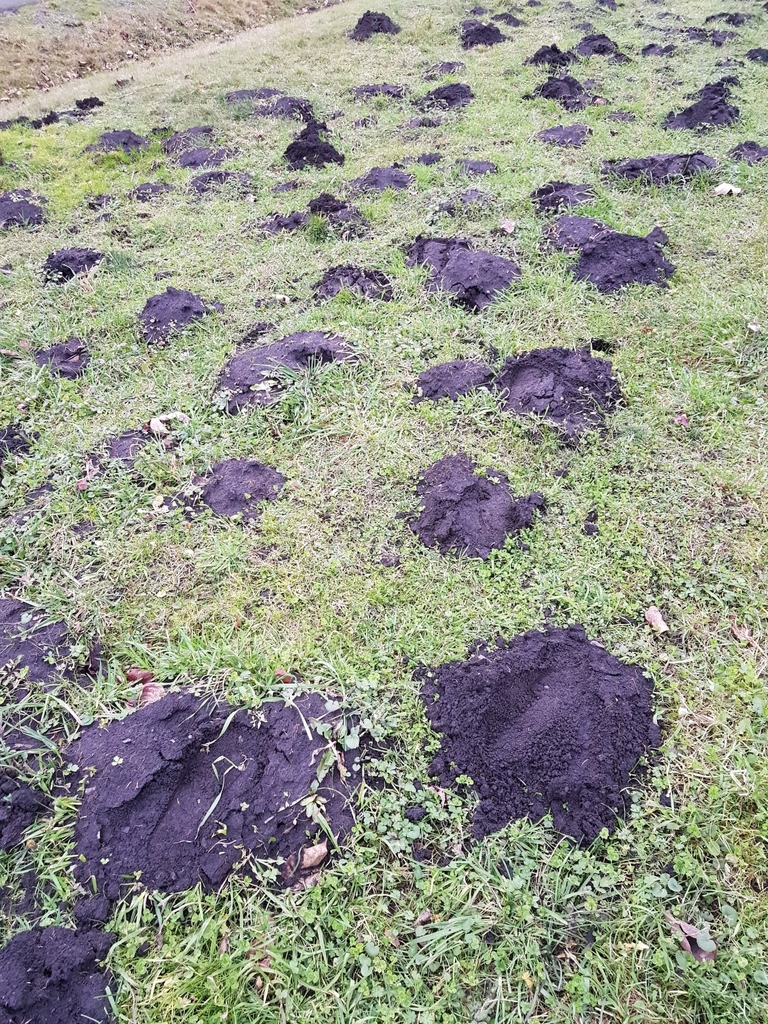
Townsend's mole is a large fossorial mammal and the largest mole species in North America. Adults measure 140 to 220 mm (5.5 to 8.7 inches) in total length, with a tail length of 25 to 55 mm (1.0 to 2.2 inches). Body weight ranges from 35 to 175 grams (1.2 to 6.2 ounces), with males typically larger than females. The species exhibits the classic mole morphology with a cylindrical body, reduced eyes and ears, and powerful forelimbs adapted for digging. The fur is dense, soft, and typically dark brown to black, allowing movement in either direction through underground tunnels. The snout is elongated and highly sensitive, while the large front paws feature prominent claws for excavation. Townsend's mole occurs along the Pacific Coast from southwestern British Columbia through western Washington and Oregon to northwestern California. In California, the species is found in Del Norte, Humboldt, and northern Mendocino counties. The distribution is closely associated with coastal areas and extends inland through river valleys. Historical records indicate the species once occupied a broader range but has experienced local extirpations in some areas due to habitat conversion. The species inhabits moist soils in coastal prairies, agricultural fields, meadows, and forest clearings. Townsend's moles prefer deep, well-drained soils that are easy to excavate but avoid areas that become waterlogged. They are commonly found in pastures, golf courses, and residential areas with irrigated lawns. Elevation ranges from sea level to approximately 500 meters (1,640 feet). The species requires soils with adequate invertebrate prey and avoids sandy or heavily compacted substrates. Townsend's moles are solitary and spend most of their lives underground in extensive tunnel systems. They create two types of tunnels: shallow surface runs for foraging and deeper permanent tunnels for nesting and winter refuge. Diet consists primarily of earthworms, beetle larvae, and other soil invertebrates. The species is active year-round and does not hibernate. Breeding occurs from February through April, with females producing a single annual litter of two to four young after a gestation period of approximately 30 days. Young remain in the nest for four to five weeks before dispersing to establish their own territories. Townsend's mole is not federally listed but faces conservation challenges in parts of its range. Primary threats include habitat loss due to urban development, agricultural intensification, and conversion of native grasslands. The species is sensitive to soil compaction from heavy machinery and livestock overgrazing. In some areas, populations have declined due to pest control activities and habitat fragmentation. Climate change may affect the species through altered precipitation patterns that influence soil moisture and prey availability. Conservation efforts focus on preserving suitable habitat and managing land use practices to maintain soil quality in agricultural and residential areas.
Classification
Class: Mammalia · Order: Eulipotyphla · Family: Talpidae
Frequently asked questions
How is Scapanus townsendii classified?
Scapanus townsendii belongs to class Mammalia, order Eulipotyphla, family Talpidae.
What family does Scapanus townsendii belong to?
Scapanus townsendii is in the Talpidae family.
What is Scapanus townsendii?
Townsend's mole is a large fossorial mammal and the largest mole species in North America.
Is Scapanus townsendii found in California?
Yes. Scapanus townsendii is recorded in California in The California Species Project's catalogue.
Related species
Other California species in the same genus, family, or bioregion.
Data from The California Species Project — 14,000+ California species with verified data from CNPS, CDFW, USFWS, and more.