Schinia biundulata
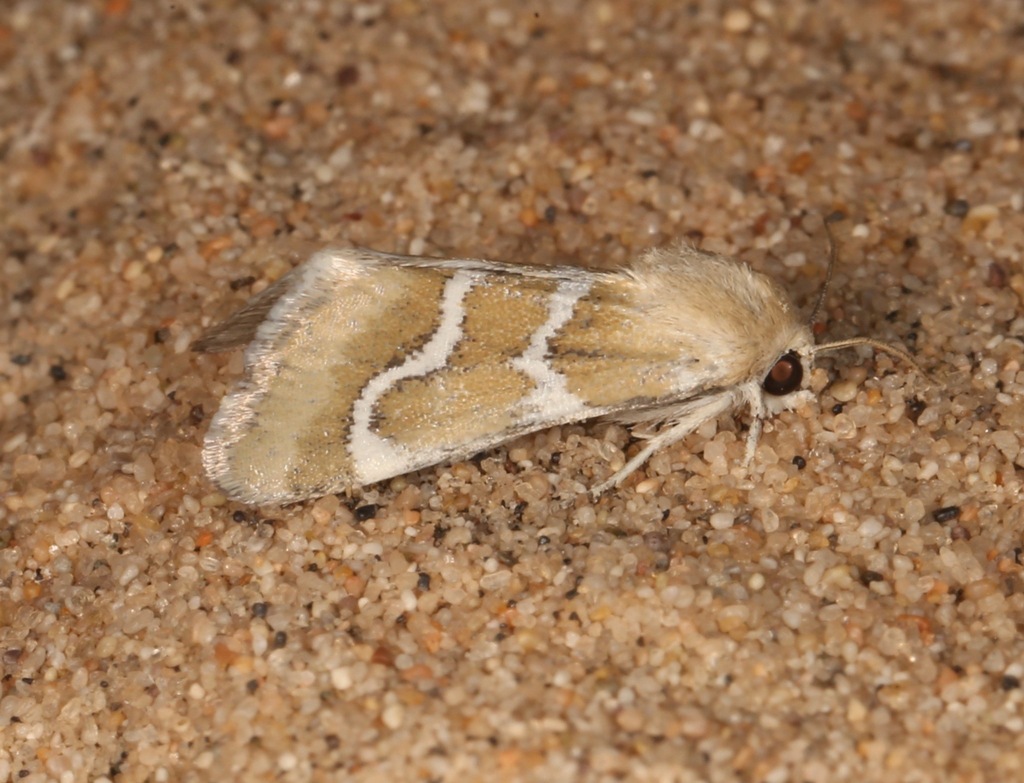
(c) Laura Gaudette, some rights reserved (CC BY) · licence
Family: Noctuidae · Class: Insecta · Order: Lepidoptera
Schinia biundulata is a California animal in the Noctuidae family.
Schinia biundulata is a moth species in the family Noctuidae, commonly known as owlet moths or cutworm moths. This species belongs to the genus Schinia, which contains numerous species of flower moths known for their specialized feeding relationships with specific host plants. Limited taxonomic and biological information is available for this particular species in the scientific literature. The physical characteristics of S. biundulata follow the general morphology typical of Schinia moths. Adult moths in this genus typically measure 12 to 20 mm (0.5 to 0.8 inches) in forewing length, with wingspans ranging from 25 to 40 mm (1.0 to 1.6 inches). Schinia species generally display cryptic coloration patterns that provide camouflage when resting on their host plants during daylight hours. Wing patterns often include various combinations of browns, grays, and earth tones, with subtle banding or mottling that varies among species. The forewings are typically longer and narrower than the hindwings, and the antennae are thread-like in both sexes. The distribution and range of S. biundulata remain poorly documented in current literature. Many Schinia species have restricted distributions tied to the availability of their specific host plants, often occurring in localized populations where suitable habitat conditions persist. The genus shows highest diversity in western North America, particularly in arid and semi-arid regions where many of their composite family host plants thrive. Habitat requirements for S. biundulata likely mirror those of closely related Schinia species, which typically inhabit areas supporting their host plants. Members of this genus commonly occur in grasslands, prairies, desert regions, and disturbed areas where composites flourish. Elevation ranges vary significantly among Schinia species, from sea level locations to montane environments above 2,000 meters (6,500 feet), depending on host plant distribution. The life cycle and behavior of S. biundulata presumably follow patterns observed in other Schinia species. Adults are nocturnal, becoming active after sunset to mate and feed on flower nectar. Females deposit eggs on or near their specific host plants, and larvae develop by feeding on flower heads, buds, and developing seeds. Most Schinia species are univoltine, producing one generation annually, though some may have multiple broods in favorable conditions. Larvae typically pupate in soil chambers near the base of host plants. The conservation status of S. biundulata is not well-established due to limited research on this species. Many Schinia moths face potential threats from habitat loss, particularly when their specialized host plants are affected by development, agricultural conversion, or invasive species. Climate change may also impact population stability by altering the phenology and distribution of both the moths and their host plants. Without comprehensive surveys and ecological studies, the current population status and conservation needs of S. biundulata remain unclear, highlighting the need for additional research on this and other understudied moth species.
Classification
Class: Insecta · Order: Lepidoptera · Family: Noctuidae
Frequently asked questions
How is Schinia biundulata classified?
Schinia biundulata belongs to class Insecta, order Lepidoptera, family Noctuidae.
What family does Schinia biundulata belong to?
Schinia biundulata is in the Noctuidae family.
What is Schinia biundulata?
Schinia biundulata is a moth species in the family Noctuidae, commonly known as owlet moths or cutworm moths.
Is Schinia biundulata found in California?
Yes. Schinia biundulata is recorded in California in The California Species Project's catalogue.
Related species
Other California species in the same genus, family, or bioregion.
Data from The California Species Project — 14,000+ California species with verified data from CNPS, CDFW, USFWS, and more.