Schinia chrysella
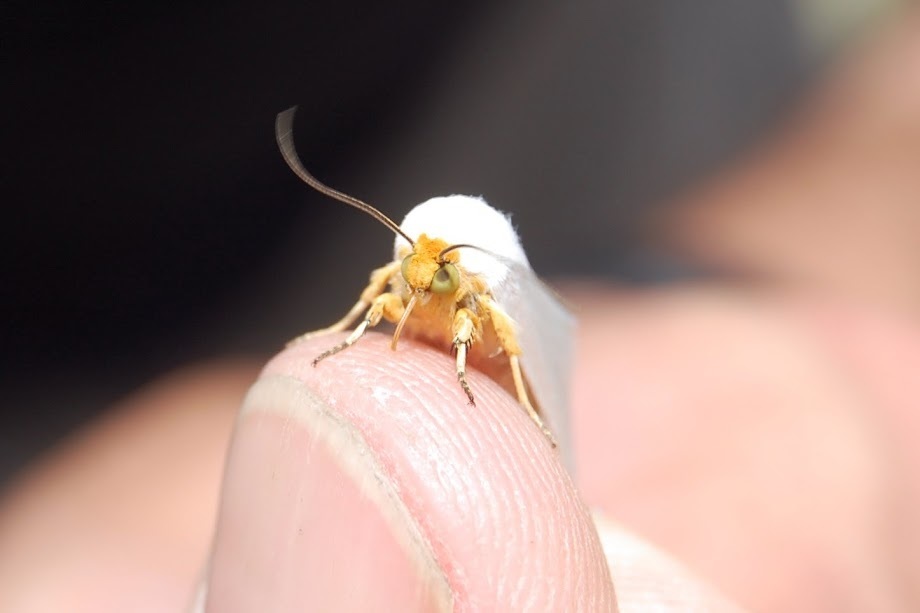
(c) Chris Friesen, some rights reserved (CC BY) · licence
Family: Noctuidae · Class: Insecta · Order: Lepidoptera
Schinia chrysella is a California animal in the Noctuidae family.
Schinia chrysella is a small moth species in the family Noctuidae, commonly known as flower moths or owlet moths. This species belongs to the genus Schinia, which comprises specialized moths that typically feed on flowers of composite plants during their larval stage. Adult moths have a wingspan measuring approximately 20-25 mm, with forewings displaying a mottled pattern of earth tones that provides effective camouflage when resting on flower heads or plant stems during daylight hours. The historical and current range of Schinia chrysella in California remains poorly documented, with limited collection records available in scientific literature. This species appears to have a restricted distribution within the state, though specific counties and geographic boundaries have not been comprehensively mapped. The lack of extensive survey data makes it difficult to determine whether the species has experienced range contractions or maintains stable populations across its native habitat. Like other Schinia species, S. chrysella likely inhabits areas supporting its host plant requirements, which typically include members of the Asteraceae family. These moths are generally associated with grasslands, chaparral edges, and oak woodland margins where suitable flowering plants occur. The species may be found at various elevations, though specific altitudinal preferences have not been well-established through field studies. Adult moths are nocturnal and are attracted to artificial lights during their flight period. The timing of adult emergence and flight activity varies among Schinia species but typically coincides with the blooming period of their host plants. Larvae develop within flower heads, feeding on developing seeds and flower parts. This feeding behavior often causes minimal damage to the host plant, as the caterpillars consume only a portion of the available seeds. The species likely completes one generation per year, synchronized with the flowering cycle of its primary host plants. Mating occurs during the adult flight period, with females depositing eggs directly on or near flower buds of the host plant. After hatching, larvae bore into the flower heads where they complete their development. Pupation typically occurs in soil or leaf litter beneath the host plant, with adults emerging the following season. The conservation status of Schinia chrysella remains largely unknown due to limited survey efforts and taxonomic research. The species lacks federal or state protection status, and population trends have not been systematically monitored. Primary potential threats may include habitat loss from urban development, agricultural conversion, and altered fire regimes that affect native plant communities. Invasive plant species could also impact host plant availability, though the extent of these effects requires further investigation. Climate change may influence the timing of host plant flowering and moth life cycles, potentially affecting reproductive success. Additional research is needed to assess population status, habitat requirements, and conservation needs for this poorly known moth species.
Classification
Class: Insecta · Order: Lepidoptera · Family: Noctuidae
Frequently asked questions
How is Schinia chrysella classified?
Schinia chrysella belongs to class Insecta, order Lepidoptera, family Noctuidae.
What family does Schinia chrysella belong to?
Schinia chrysella is in the Noctuidae family.
What is Schinia chrysella?
Schinia chrysella is a small moth species in the family Noctuidae, commonly known as flower moths or owlet moths.
Is Schinia chrysella found in California?
Yes. Schinia chrysella is recorded in California in The California Species Project's catalogue.
Related species
Other California species in the same genus, family, or bioregion.
Data from The California Species Project — 14,000+ California species with verified data from CNPS, CDFW, USFWS, and more.