Schinia coercita
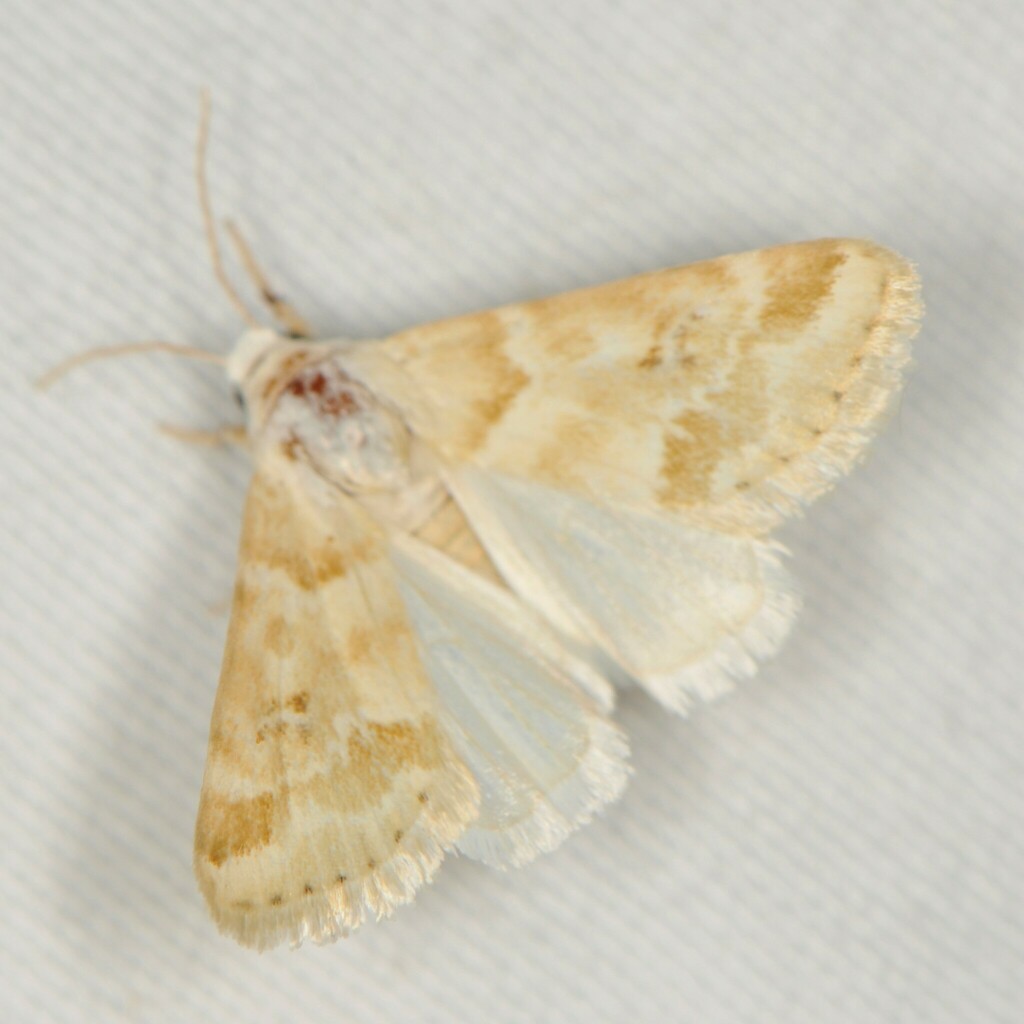
(c) Elliott Gordon, some rights reserved (CC BY) · licence
Family: Noctuidae · Class: Insecta · Order: Lepidoptera
Schinia coercita is a California animal in the Noctuidae family.
Schinia coercita is a moth species in the family Noctuidae, part of a diverse group commonly known as owlet moths or cutworm moths. This species belongs to the genus Schinia, which comprises numerous small to medium-sized moths found throughout North America. Like other members of this genus, S. coercita likely exhibits the typical nocturid characteristics of nocturnal activity and cryptic coloration patterns that provide camouflage during daylight hours when the moths rest on vegetation or other surfaces. The current distribution and historical range of Schinia coercita remain poorly documented in available scientific literature. Limited collection records suggest the species may occur in western North America, potentially including parts of California, though specific locality data and county-level distribution information are not readily available from standard databases. The apparent rarity of museum specimens and field observations indicates either a naturally uncommon species or one with highly restricted habitat requirements that make detection difficult. Habitat preferences for S. coercita are not well-established, though members of the genus Schinia typically inhabit areas supporting their larval host plants. Many Schinia species demonstrate strong fidelity to specific plant families, particularly Asteraceae, and often occur in open habitats such as grasslands, prairies, or desert areas where their host plants are abundant. The elevation range and specific microhabitat requirements for this species remain unknown due to limited field studies. Behavioral and ecological information for Schinia coercita is extremely limited. Adult moths in this genus are typically active during nighttime hours and are attracted to artificial lights, which aids in detection and collection efforts. The flight period, number of generations per year, and reproductive behavior are undocumented for this species. Larval feeding habits are unknown, though related Schinia species often feed on flowers, seeds, or developing fruits of their host plants. The winter survival strategy, whether as eggs, larvae, pupae, or adults, has not been determined. Schinia coercita lacks formal conservation status designations at federal, state, or international levels. The species does not appear on the U.S. Fish and Wildlife Service Endangered Species List, California Department of Fish and Wildlife special status species lists, or the International Union for Conservation of Nature Red List. This absence from conservation databases may reflect either genuine rarity requiring further assessment or simply insufficient survey effort and taxonomic study. The paucity of recent collection records and ecological data represents a significant knowledge gap that hampers any meaningful evaluation of population trends or conservation needs. Climate change, habitat conversion, and pesticide use could potentially impact this species, but without baseline population data or habitat requirements, specific threats cannot be adequately assessed. Future research priorities should include systematic surveys to determine current distribution, identification of host plant associations, and basic life history studies to support informed conservation planning if warranted.
Classification
Class: Insecta · Order: Lepidoptera · Family: Noctuidae
Frequently asked questions
How is Schinia coercita classified?
Schinia coercita belongs to class Insecta, order Lepidoptera, family Noctuidae.
What family does Schinia coercita belong to?
Schinia coercita is in the Noctuidae family.
What is Schinia coercita?
Schinia coercita is a moth species in the family Noctuidae, part of a diverse group commonly known as owlet moths or cutworm moths.
Is Schinia coercita found in California?
Yes. Schinia coercita is recorded in California in The California Species Project's catalogue.
Related species
Other California species in the same genus, family, or bioregion.
Data from The California Species Project — 14,000+ California species with verified data from CNPS, CDFW, USFWS, and more.