Schinia deserticola
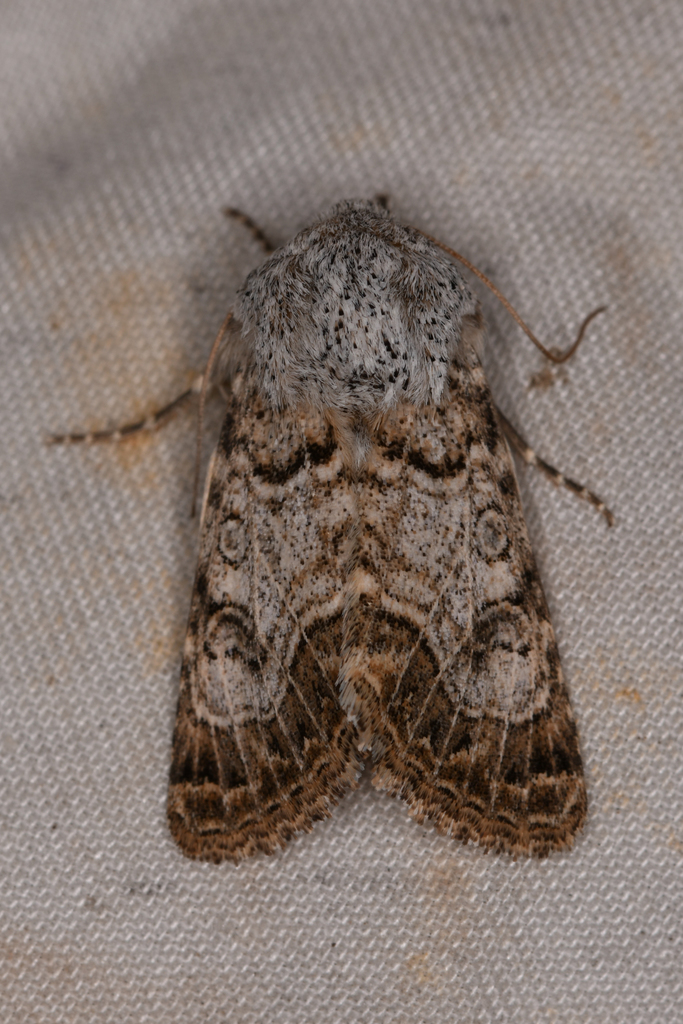
(c) Trevor Van Loon, some rights reserved (CC BY) · licence
Family: Noctuidae · Class: Insecta · Order: Lepidoptera
Schinia deserticola is a California animal in the Noctuidae family.
Schinia deserticola is a noctuid moth belonging to the flower moth genus Schinia, a group known for their specialized associations with flowering plants. This species represents one of numerous Schinia moths found in western North America, though detailed morphological descriptions remain limited in the scientific literature. Like other members of the genus, adults likely display cryptic coloration patterns that provide camouflage against their host plant substrates. The geographic distribution of Schinia deserticola appears to be centered in desert regions of the southwestern United States, with records from California. The species name "deserticola" directly references its desert habitat preference, suggesting adaptation to arid environmental conditions. Specific county-level distribution data within California requires further documentation, though the species likely occurs in desert regions of the state including the Mojave and Sonoran desert ecosystems. This moth inhabits desert environments characterized by sparse vegetation, low annual precipitation, and extreme temperature fluctuations between day and night. Desert habitats support specialized plant communities adapted to water scarcity, including various flowering shrubs and herbs that serve as host plants for Schinia species. The elevation range and specific microhabitat preferences of S. deserticola remain poorly documented in available literature. As with other Schinia species, the life cycle likely involves close association with specific host plants. Adult moths typically emerge during flowering periods of their host species, allowing larvae to feed on developing seeds and flowers. This synchronization between moth emergence and plant phenology represents a critical ecological relationship. Flight periods and voltinism (number of generations per year) have not been definitively established for this species, though many desert Lepidoptera exhibit flexible life cycles adapted to unpredictable precipitation patterns that drive plant growth and flowering. The feeding ecology of Schinia deserticola larvae likely follows the pattern typical of the genus, with caterpillars boring into flower heads and seed capsules of their host plants. This specialized feeding behavior often results in highly specific plant associations, with individual Schinia species restricted to one or a few closely related host species. Adult moths are presumed to be nocturnal, as indicated by their placement in the family Noctuidae. Conservation status information for Schinia deserticola remains largely undocumented, with no apparent federal or state listing designations. The species does not appear in current USFWS species databases or California Department of Fish and Wildlife sensitive species lists as of December 2025. However, the limited available ecological and distributional data suggests potential vulnerability to habitat modification in desert regions. Desert ecosystems face increasing pressure from urban development, renewable energy projects, off-road vehicle use, and climate change impacts including altered precipitation patterns and increased temperatures. Without comprehensive population surveys and ecological studies, the conservation needs of this species remain uncertain.
Classification
Class: Insecta · Order: Lepidoptera · Family: Noctuidae
Frequently asked questions
How is Schinia deserticola classified?
Schinia deserticola belongs to class Insecta, order Lepidoptera, family Noctuidae.
What family does Schinia deserticola belong to?
Schinia deserticola is in the Noctuidae family.
What is Schinia deserticola?
Schinia deserticola is a noctuid moth belonging to the flower moth genus Schinia, a group known for their specialized associations with flowering plants.
Is Schinia deserticola found in California?
Yes. Schinia deserticola is recorded in California in The California Species Project's catalogue.
Related species
Other California species in the same genus, family, or bioregion.
Data from The California Species Project — 14,000+ California species with verified data from CNPS, CDFW, USFWS, and more.